
Pain relief - Rightangled

What is Pain relief?

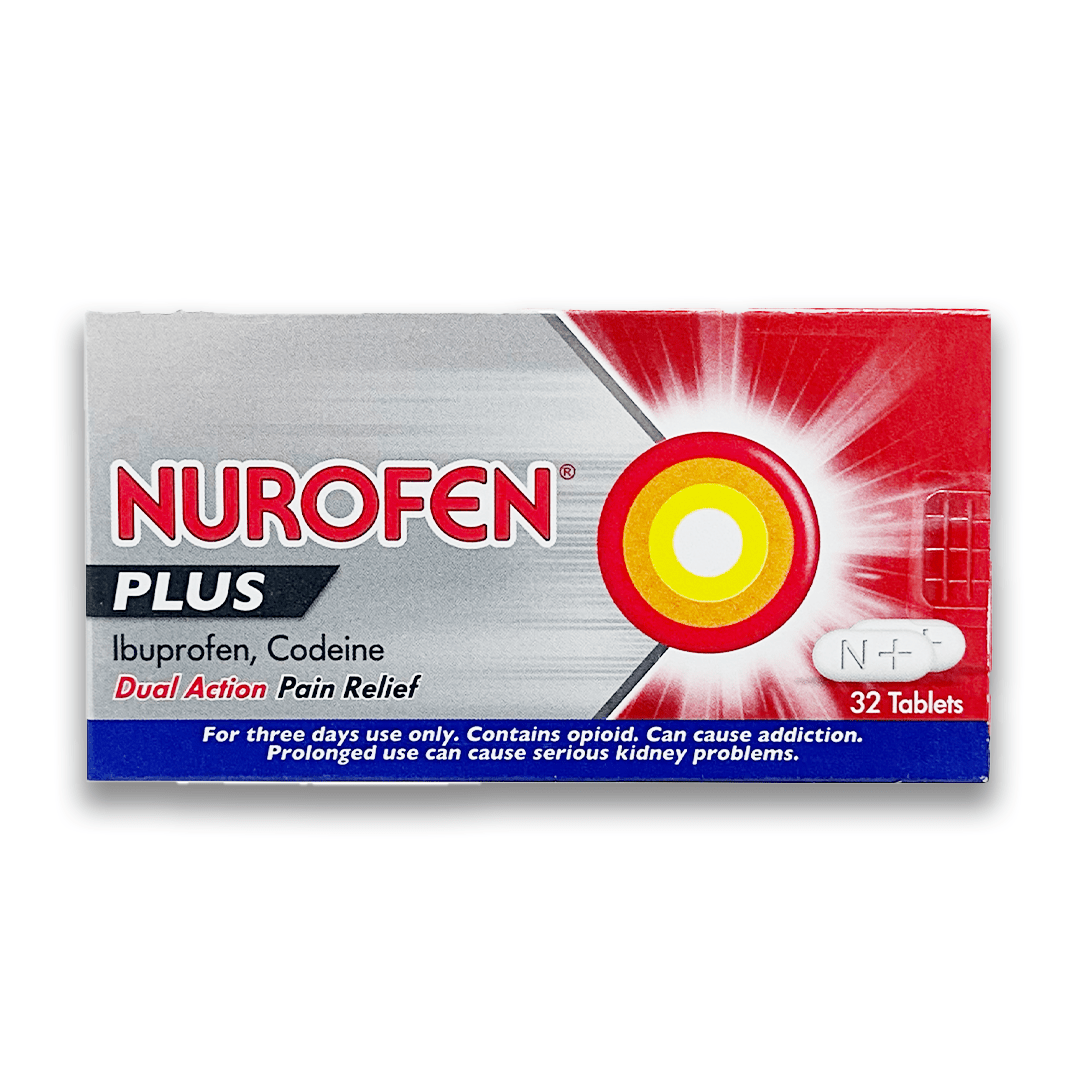
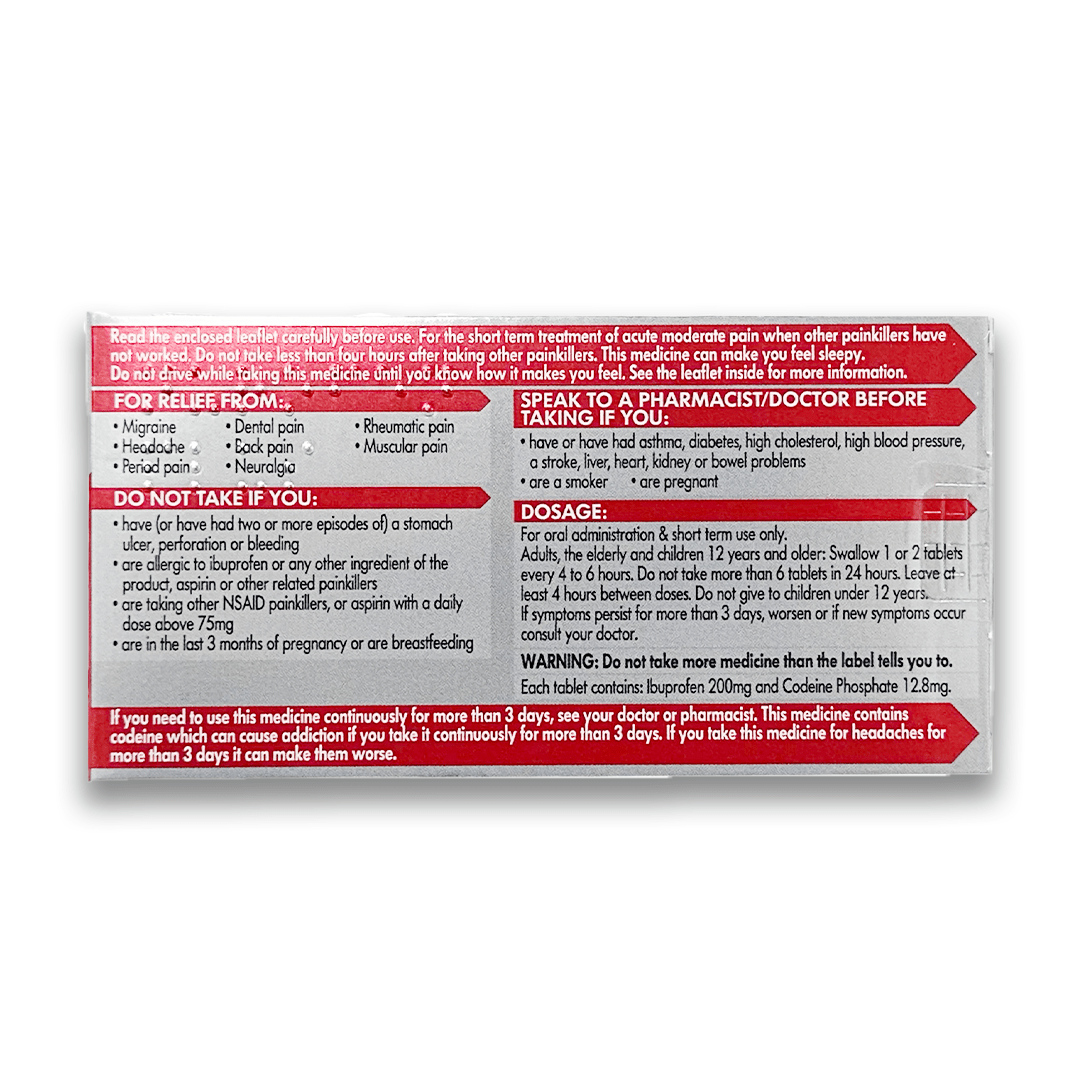
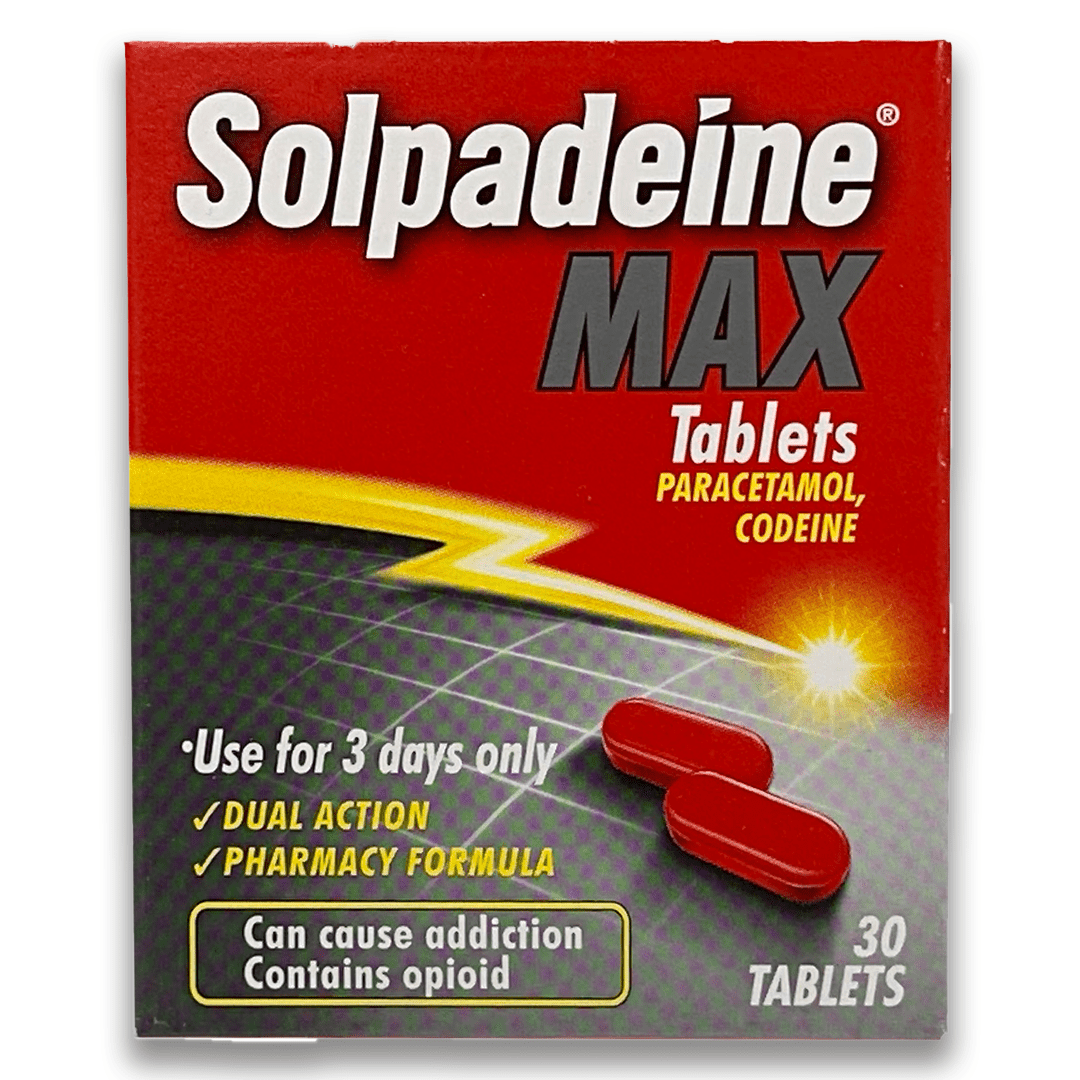
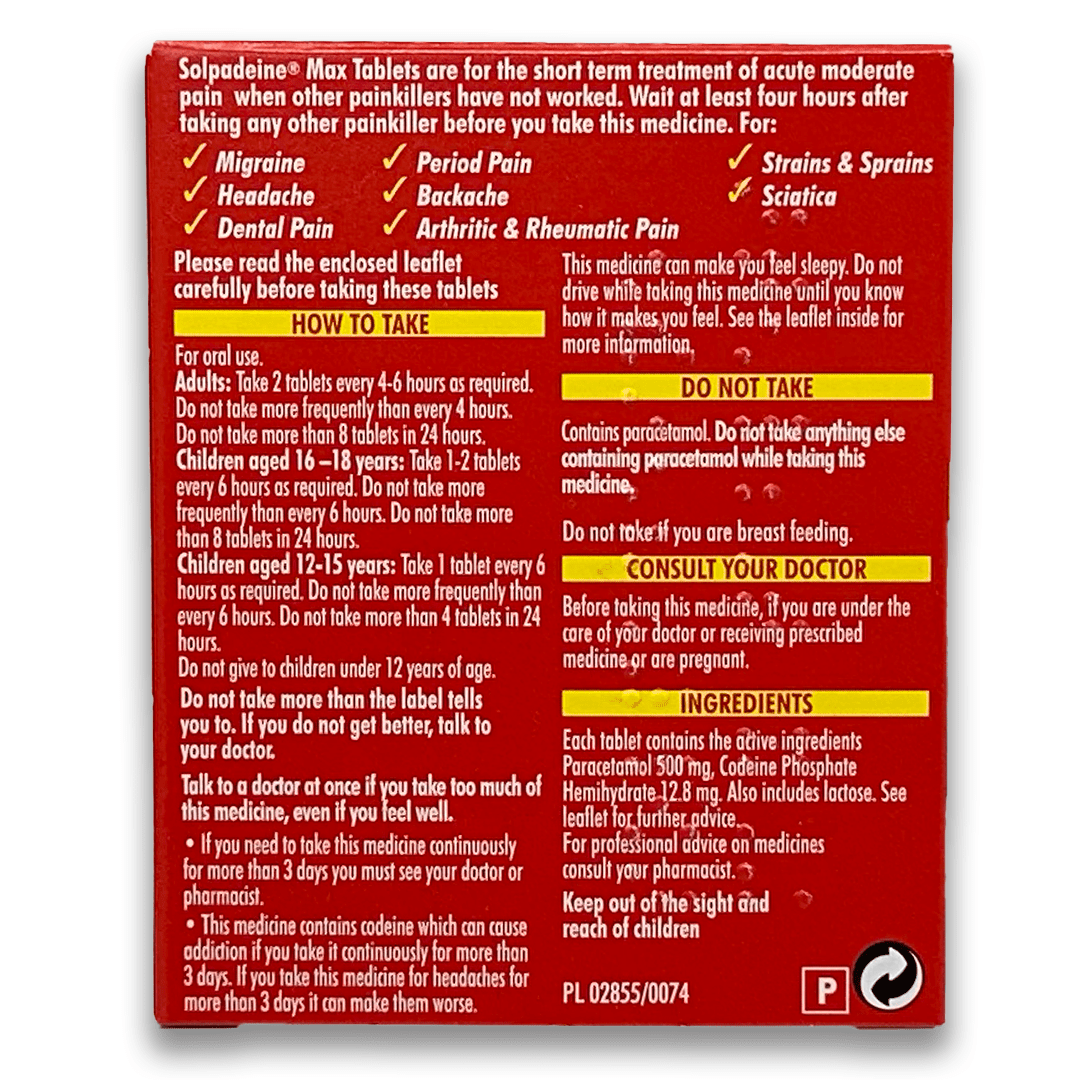
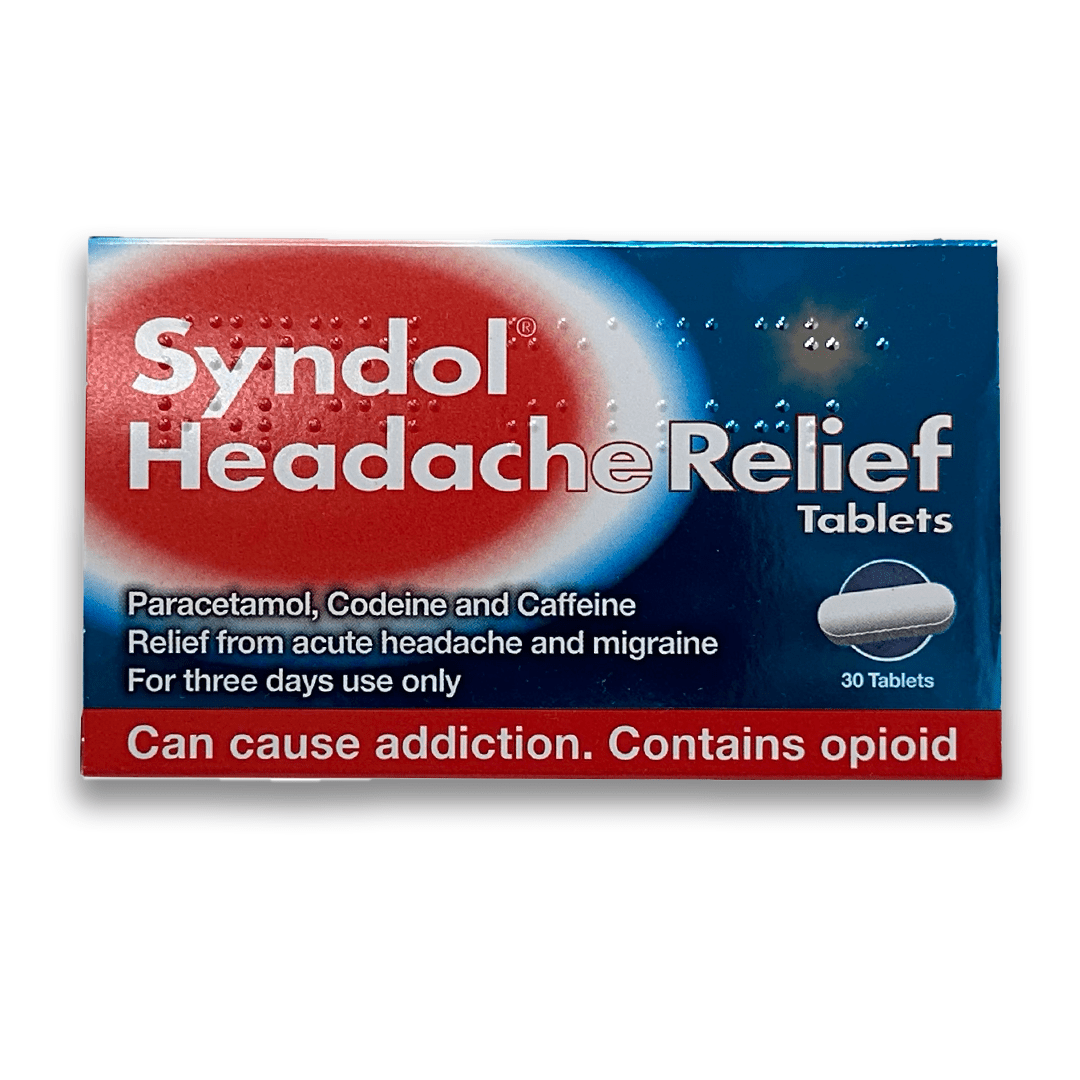
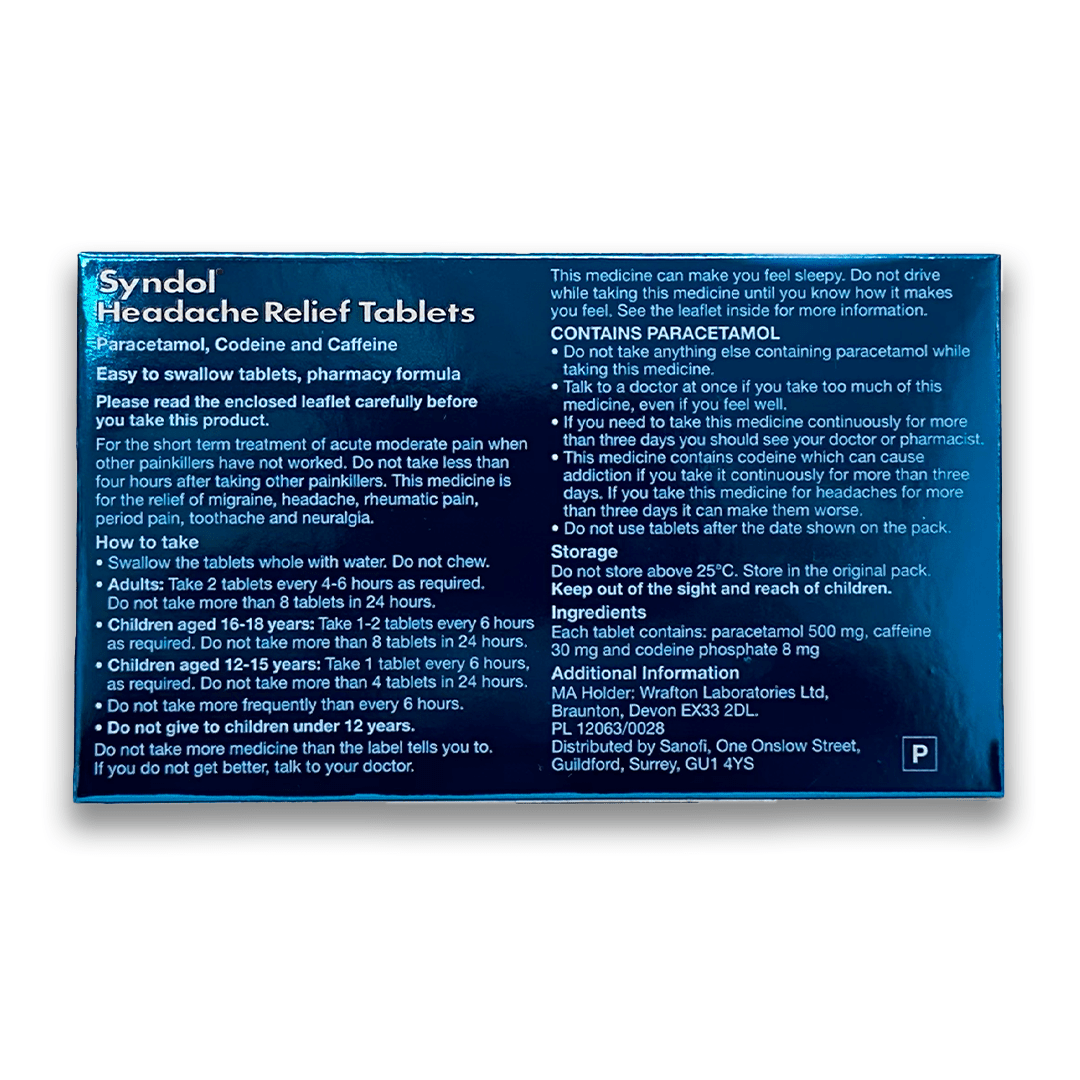
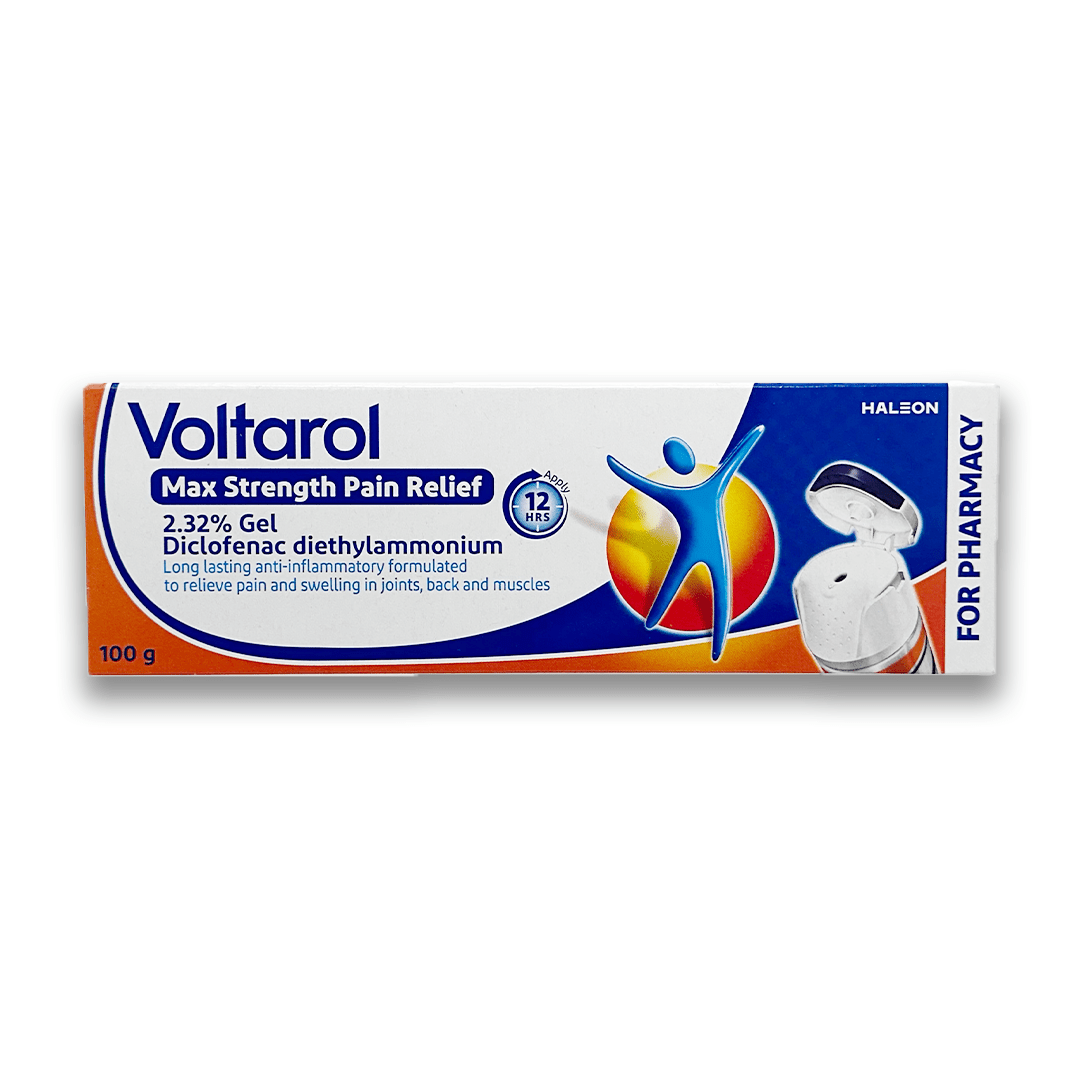
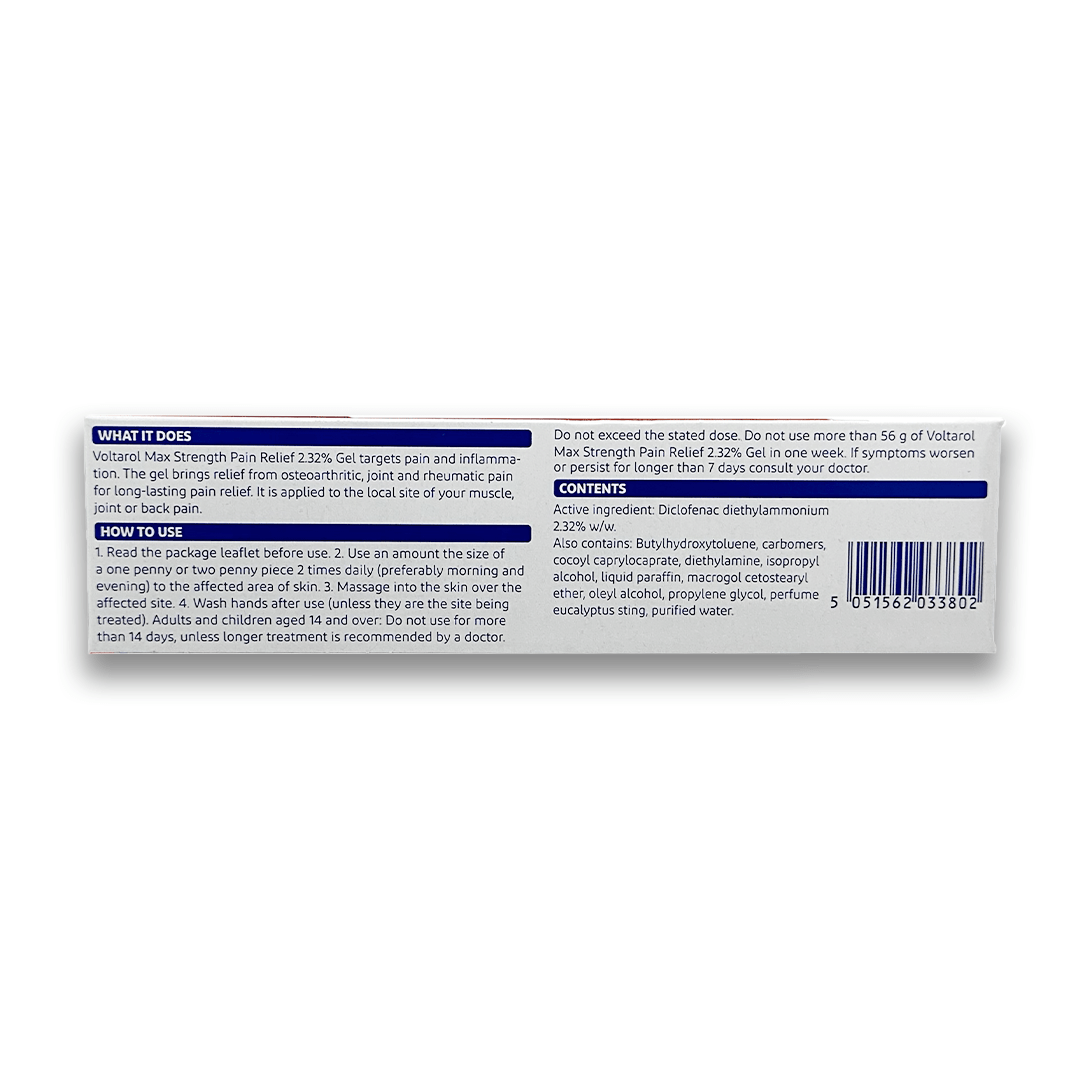
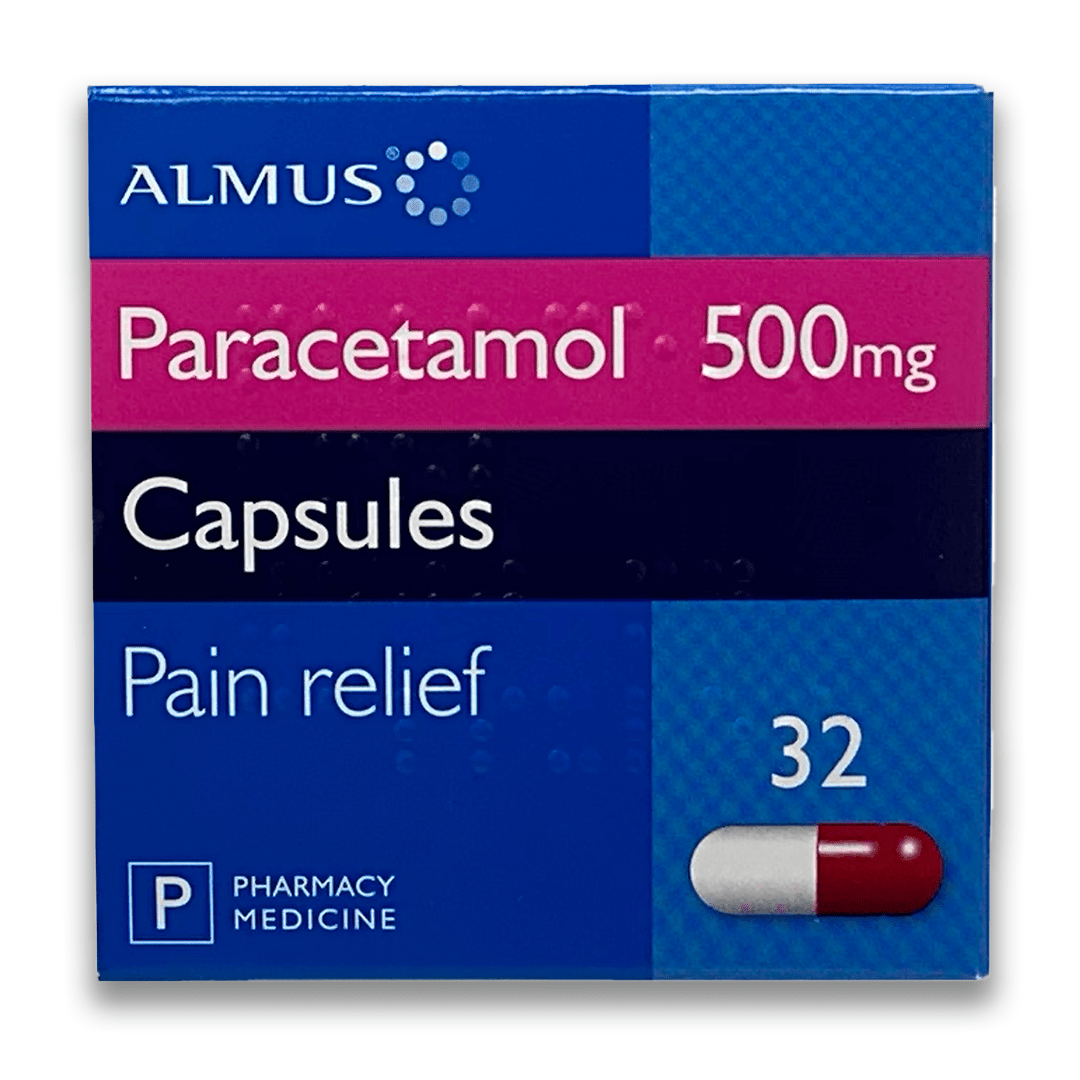
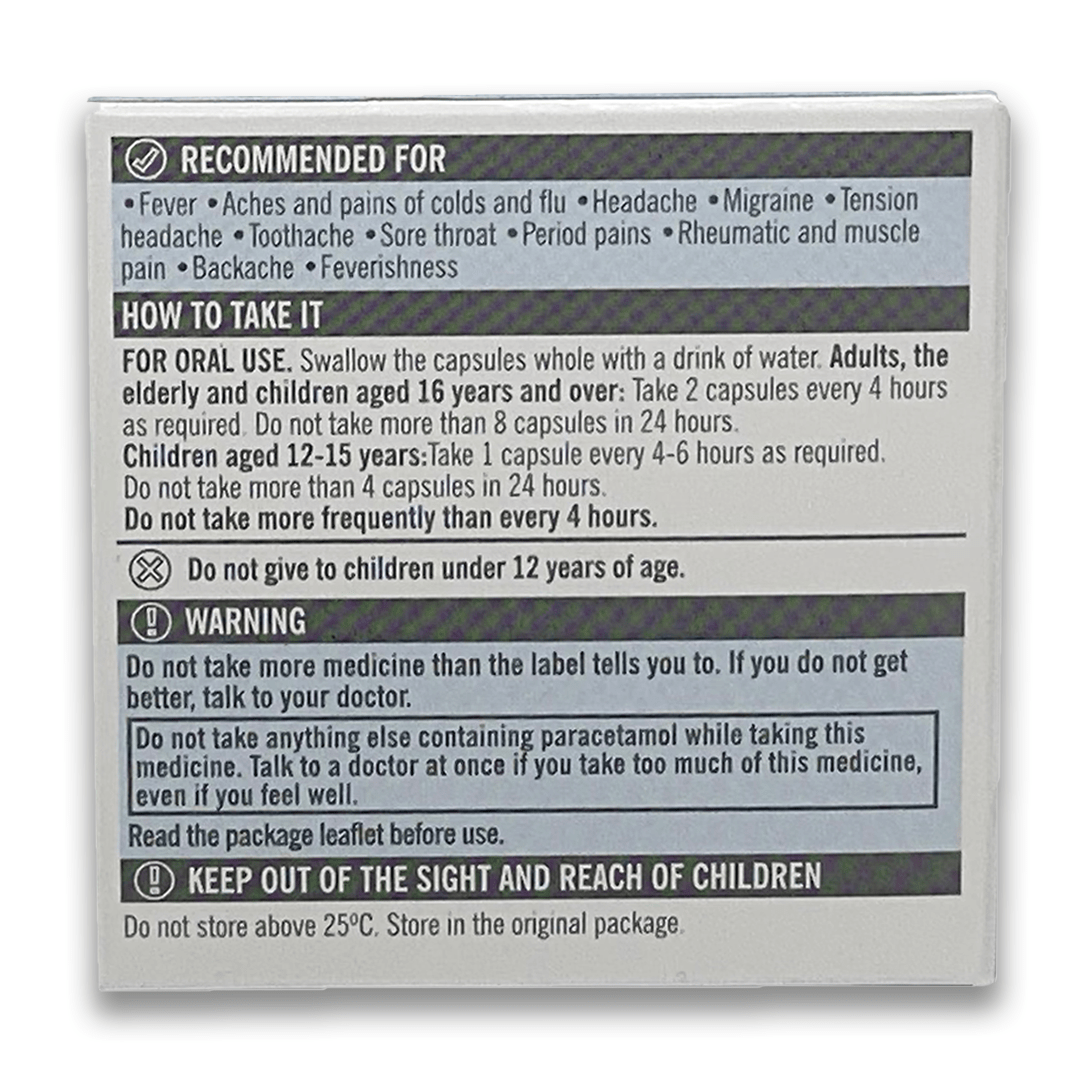
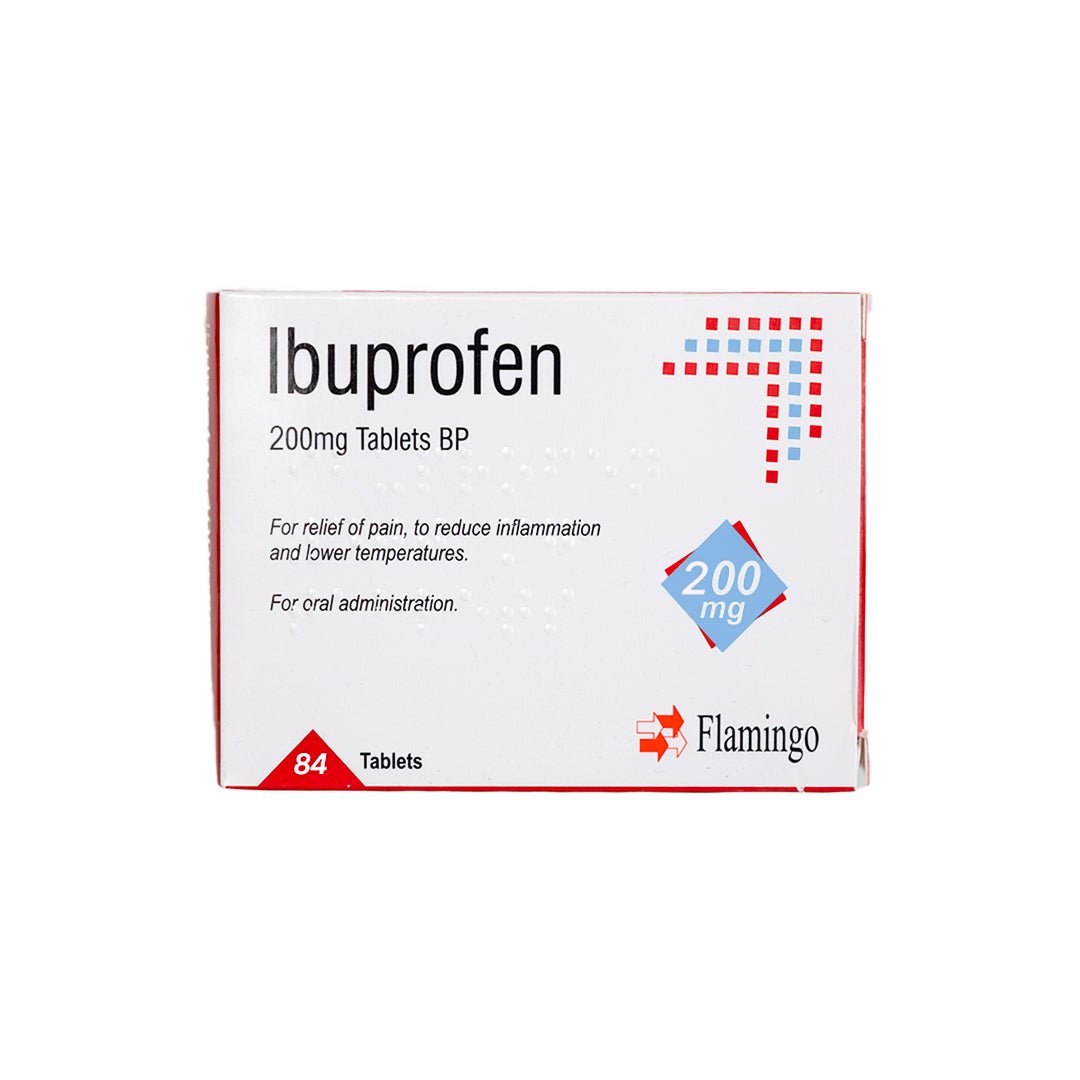
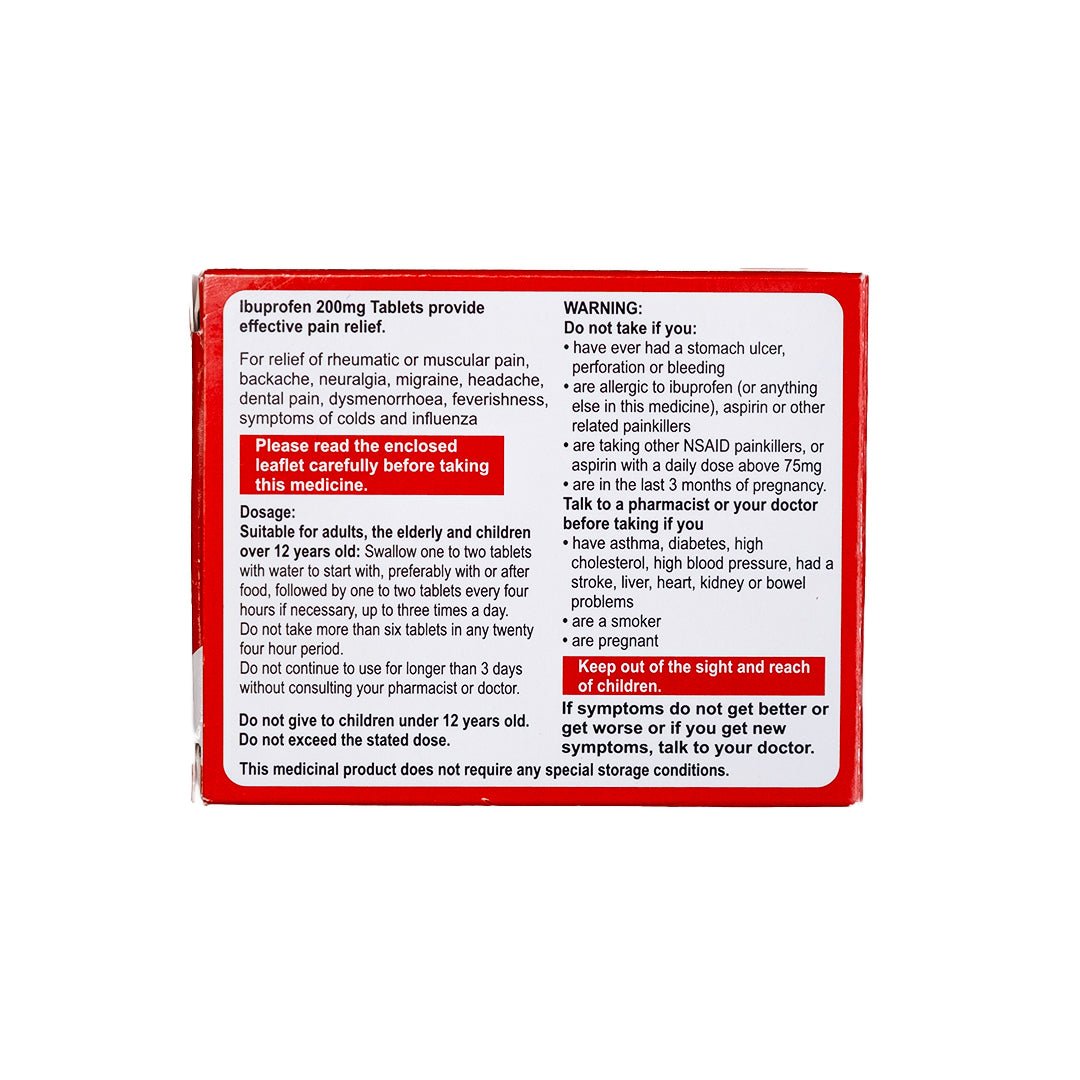
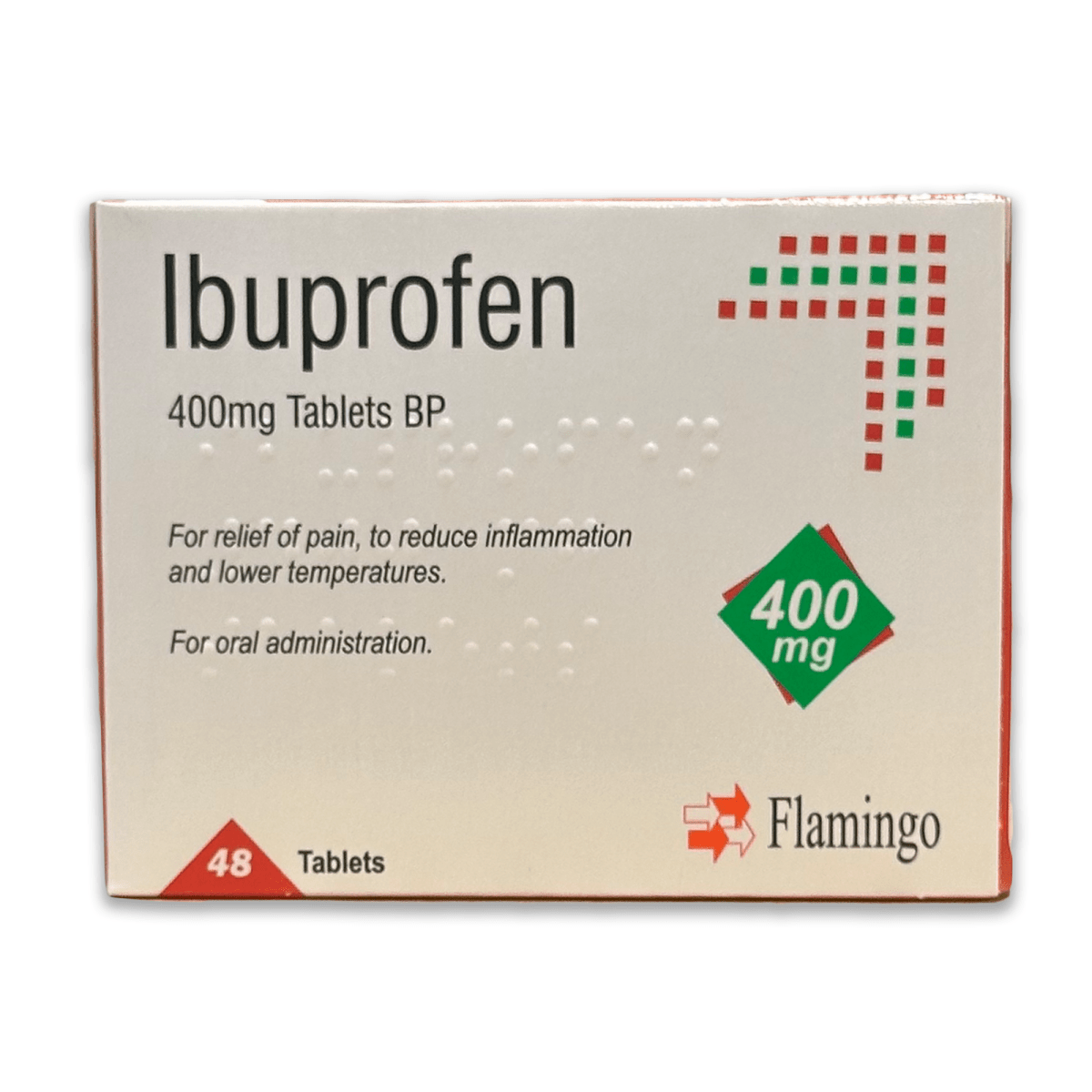
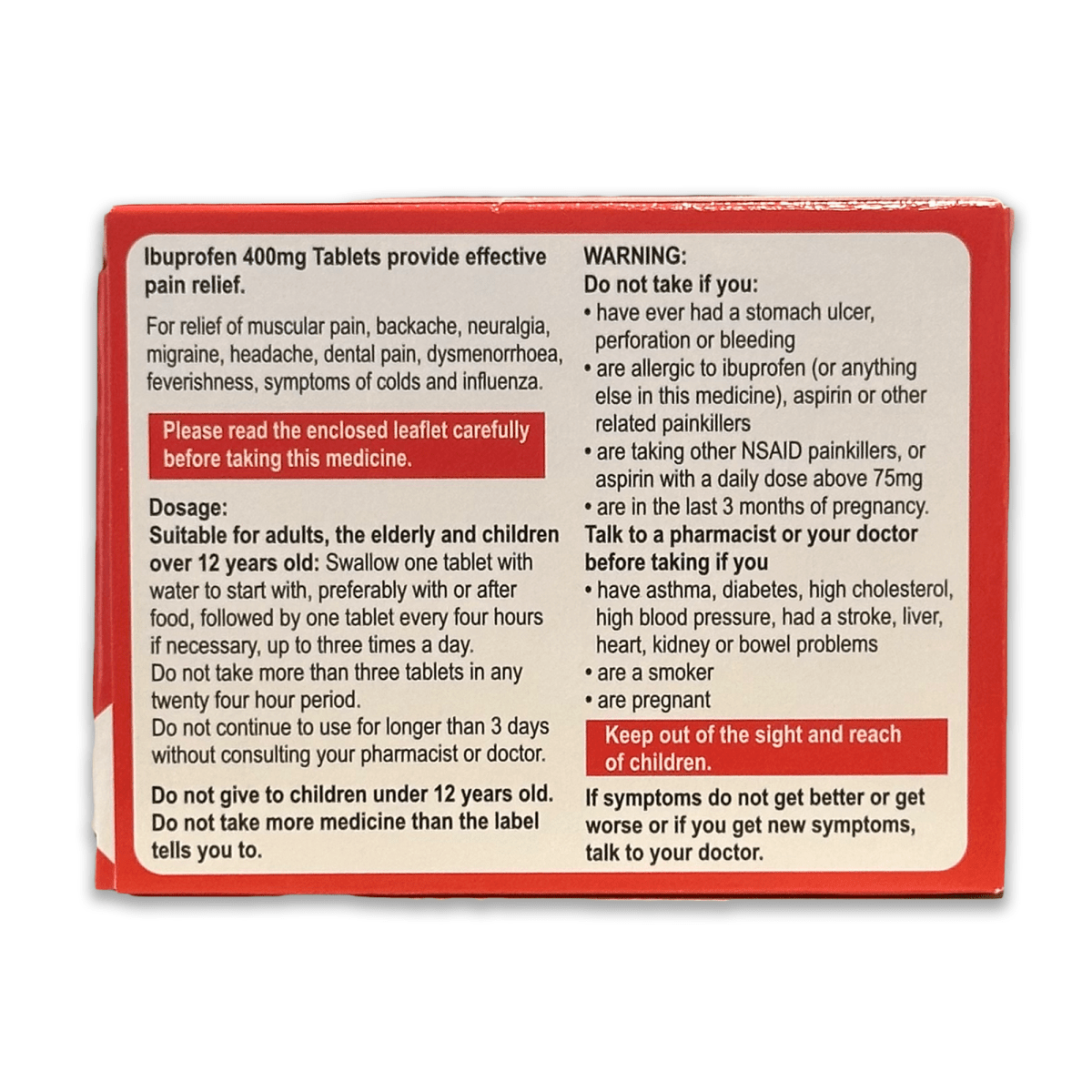
Pain relief focuses on managing discomfort and easing various types of pain, from occasional headaches and muscle aches to more persistent or chronic conditions. Treatment options include over-the-counter medications like acetaminophen and ibuprofen, topical solutions such as creams and patches, and prescription medications for more severe pain.

In addition to medications, non-pharmacological approaches like physical therapy, acupuncture, or heat therapy can provide effective relief. Our range of pain relief products is designed to support your comfort and well-being, offering solutions tailored to your needs.

Start your consultation

TAKES APPROXIMATELY 2 MINS TO COMPLETE.

HOW IT WORKS

3 MIN ONLINE ASSESSMENT

CLINICIAN REVIEWS YOUR CASE

PRESCRIPTION + NEXT DAY DELIVERY

About Pain relief

Everything you need to know, from causes to treatment options.

Pain can originate from a multitude of sources, such as:

- Injury: Trauma, sprains, fractures, and muscle strains can result in acute pain.

- Medical Conditions: Chronic conditions like arthritis, fibromyalgia, and neuropathy can cause persistent pain.

- Surgical Procedures: Pain is often experienced after surgeries, ranging from minor procedures to major surgeries.

Inflammation:
- Inflammatory processes, such as in infections or autoimmune disorders, can lead to pain.

- Nerve Damage: Nerve-related issues, including compression or injury, can cause sharp or shooting pain.

Accurate diagnosis of the underlying cause of pain is essential for effective pain relief. Healthcare professionals employ a comprehensive approach that involves:

- Medical History: Gathering information about the nature, location, and duration of pain helps identify potential causes.

- Physical Examination: Clinical assessments aid in identifying visible signs, tender areas, and functional limitations.

- Imaging Tests: X-rays, MRI scans, and CT scans can provide visual insights into potential structural issues causing pain.

- Laboratory Tests: Blood tests may be conducted to identify markers of inflammation or underlying medical conditions.

Pain relief can be achieved through various treatment approaches:

- Over-the-Counter (OTC) Pain Relievers: Non-prescription medications like acetaminophen, ibuprofen, and aspirin can provide relief for mild to moderate pain.

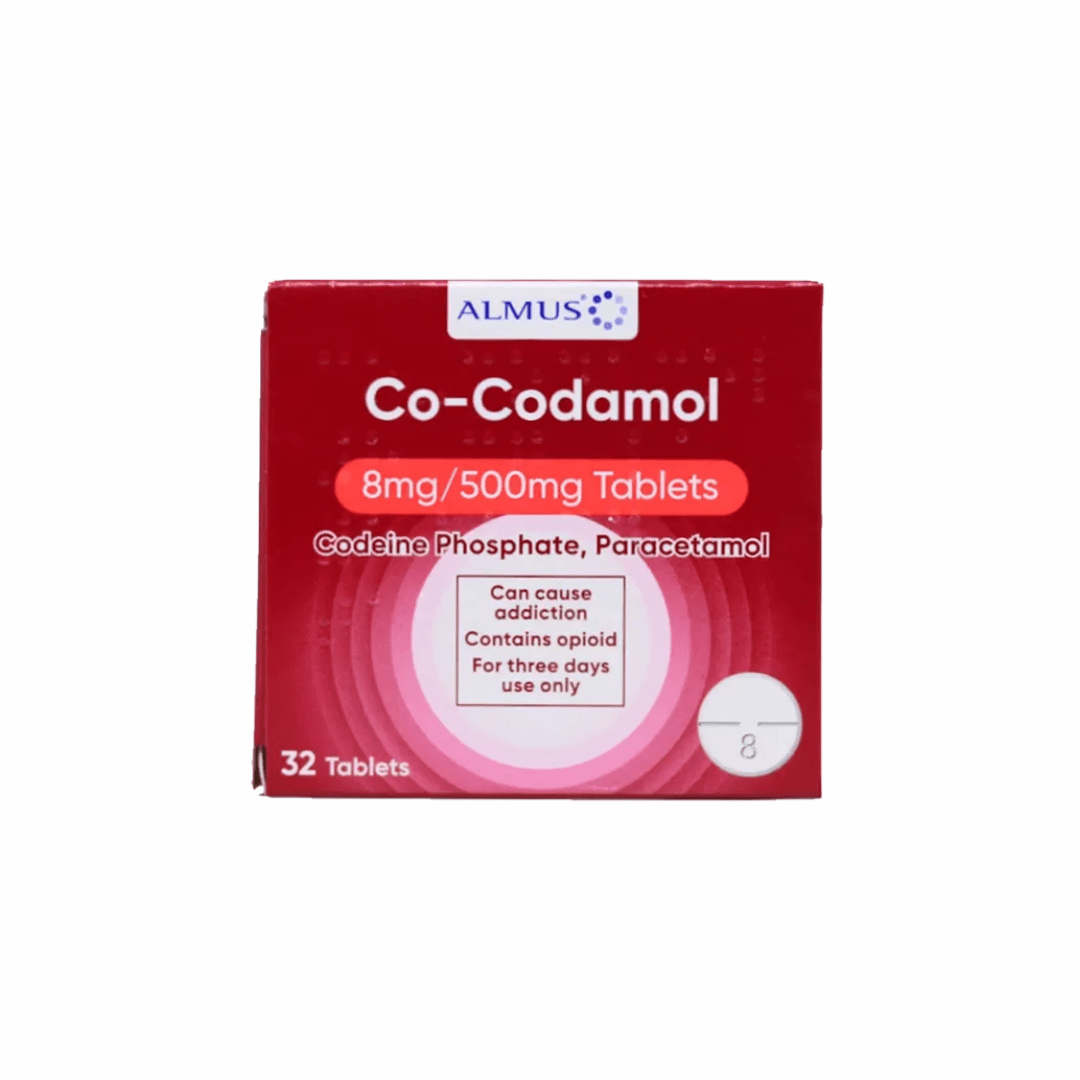
- Prescription Medications: Stronger pain medications, including opioids, may be prescribed by a healthcare provider for severe pain. These should be used cautiously and under medical supervision due to their potential for dependence and side effects.

- Topical Treatments: Creams, gels, and patches containing analgesic ingredients can be applied directly to the skin to target localized pain.

- Physical Therapy: Exercises, stretches, and techniques administered by physical therapists can improve mobility and reduce pain.
Interventional

- Procedures: Injections, nerve blocks, and other minimally invasive procedures can directly target and alleviate pain at its source.

- Complementary Therapies: Techniques like acupuncture, chiropractic care, and massage therapy can provide relief for some individuals.

While complete prevention of pain may not always be possible, adopting healthy habits and addressing underlying health issues can help reduce the risk of certain types of pain:

- Maintain a Healthy Lifestyle: Regular exercise, a balanced diet, and proper hydration contribute to overall well-being and may help prevent certain types of pain.

- Injury Prevention: Taking precautions during physical activities and using proper techniques can reduce the risk of injury-related pain.

- Manage Underlying Conditions: Effectively managing chronic medical conditions through medical care and lifestyle modifications can help prevent pain.

- Ergonomic Practices: Employing proper posture and ergonomic tools can reduce strain on the body and prevent discomfort.

- Stress Management: Practicing stress reduction techniques such as mindfulness, meditation, and deep breathing can contribute to overall pain prevention.

In conclusion, pain relief is a crucial aspect of healthcare that aims to alleviate discomfort and improve the quality of life for individuals experiencing various types of pain. Accurate diagnosis, a range of treatment options, and preventive measures all play a role in effective pain management. It's important to consult with healthcare professionals for personalized guidance and treatment recommendations based on the type and severity of pain.

Read more about Pain Relief on the NHS website, following the links below:

https://www.nhs.uk/live-well/pain/ways-to-manage-chronic-pain/

https://www.nhs.uk/live-well/pain/how-to-get-nhs-help-for-your-pain/

FAQs

Can pain relief medications cause side effects, and how can they be managed?

Yes, pain relief medications, especially opioids, can have potential side effects such as drowsiness, constipation, and nausea. It's important to follow prescribed dosages and guidelines provided by healthcare professionals. If side effects occur, discussing them with your healthcare provider can lead to adjustments in medication or additional measures to manage them.

Are there non-pharmacological approaches to pain relief for individuals who want to avoid medication?

Yes, there are several non-pharmacological approaches to pain relief. These include physical therapy, acupuncture, massage therapy, cognitive behavioral therapy (CBT), relaxation techniques, and heat/cold therapy. These approaches can be effective for managing certain types of pain and can be discussed with a healthcare provider to determine their suitability for your specific situation.

What is chronic pain, and how is it different from acute pain?

Chronic pain is persistent pain that lasts for weeks, months, or even years, often beyond the expected healing time. It can result from conditions like arthritis, fibromyalgia, or nerve damage. Acute pain, on the other hand, is temporary and usually indicates injury or tissue damage. Effective management of chronic pain often requires a multidisciplinary approach and a combination of treatments.

Can lifestyle changes help in preventing pain, and how can I incorporate them into my daily routine?

Yes, lifestyle changes play a significant role in preventing certain types of pain. Regular exercise, maintaining a healthy weight, practicing good posture, staying hydrated, and managing stress are all important factors. Incorporating these habits into your daily routine gradually and consistently can contribute to overall pain prevention and improved well-being. If you have specific concerns, consulting a healthcare professional or physical therapist can provide tailored guidance.

We are here to help!

For assistance, please contact our customer service at info@rightangled.com. We are available Monday to Friday from 8 am to 5 pm. For urgent issues, please do not use this email. Instead, call 111, or dial 999 in case of an emergency.

Can't find the treatment you're looking for?

Drop us a message and our team will do their best to source it for you.