
Fast and discreet delivery

Securely packed and tracked

Prescribed by registered doctors

Every treatment is clinically reviewed

Clinical treatments

Clear guidance at every step

Trusted by 500,000+ patients

Care designed around patients

Eczema and Psoriasis - Rightangled

What is Eczema and Psoriasis Treatment?

Eczema and Psoriasis are chronic skin conditions that can cause redness, scaling, and persistent itchiness. Psoriasis is a non-contagious autoimmune condition leading to the rapid buildup of skin cells, while eczema results from inflammation and damage to the skin's protective barrier. Both conditions can vary in severity and may persist throughout life, but with the right care, their symptoms can be effectively managed.

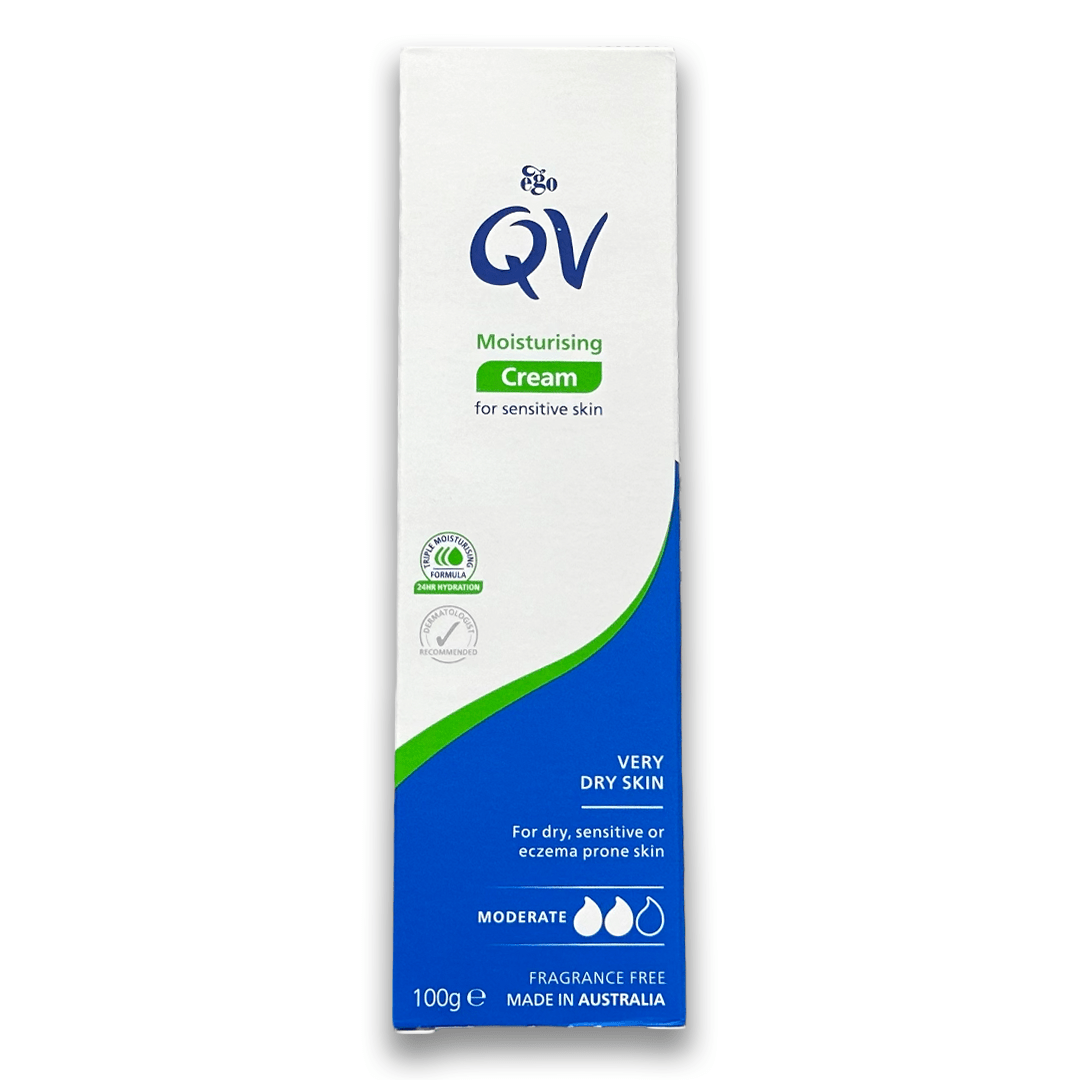
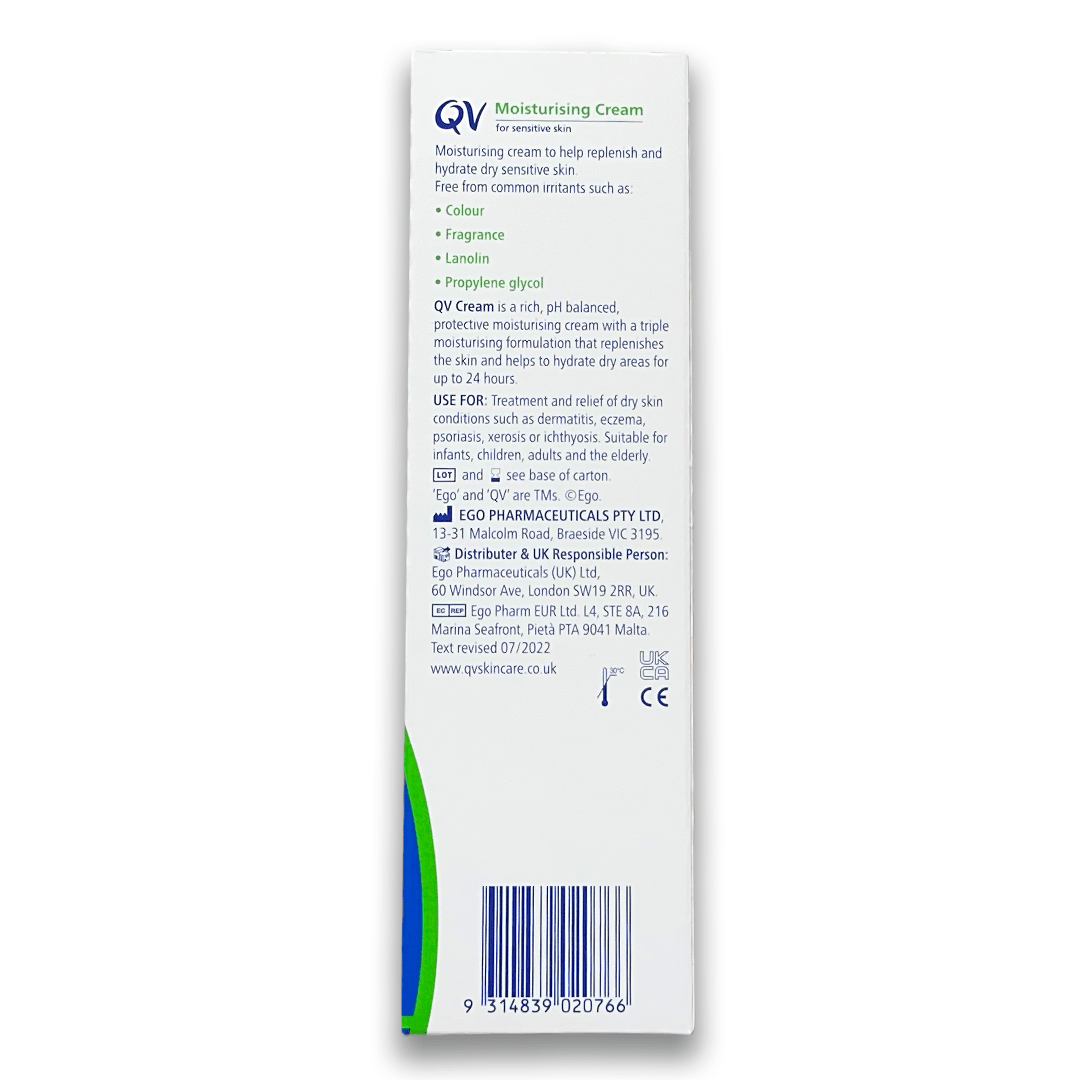
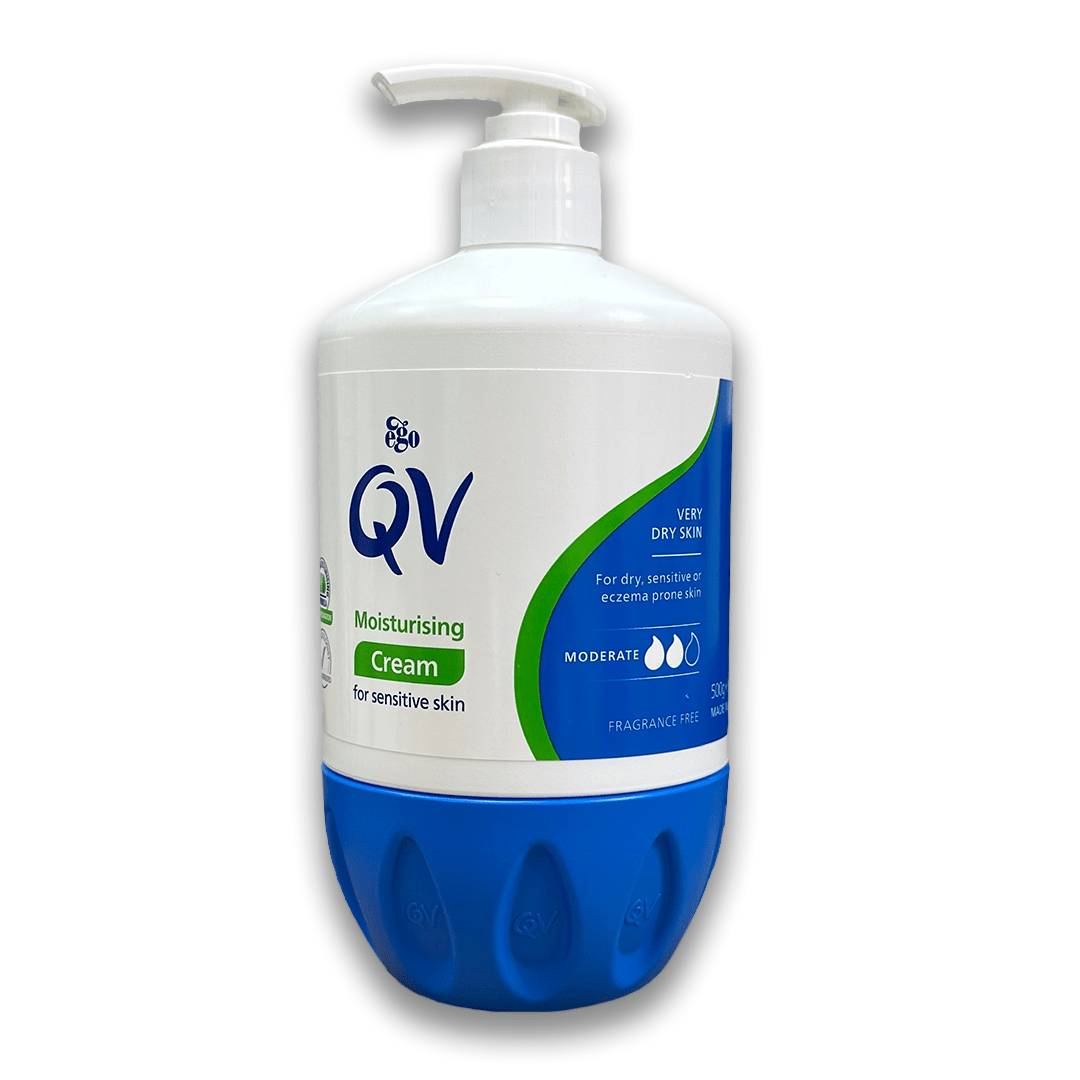
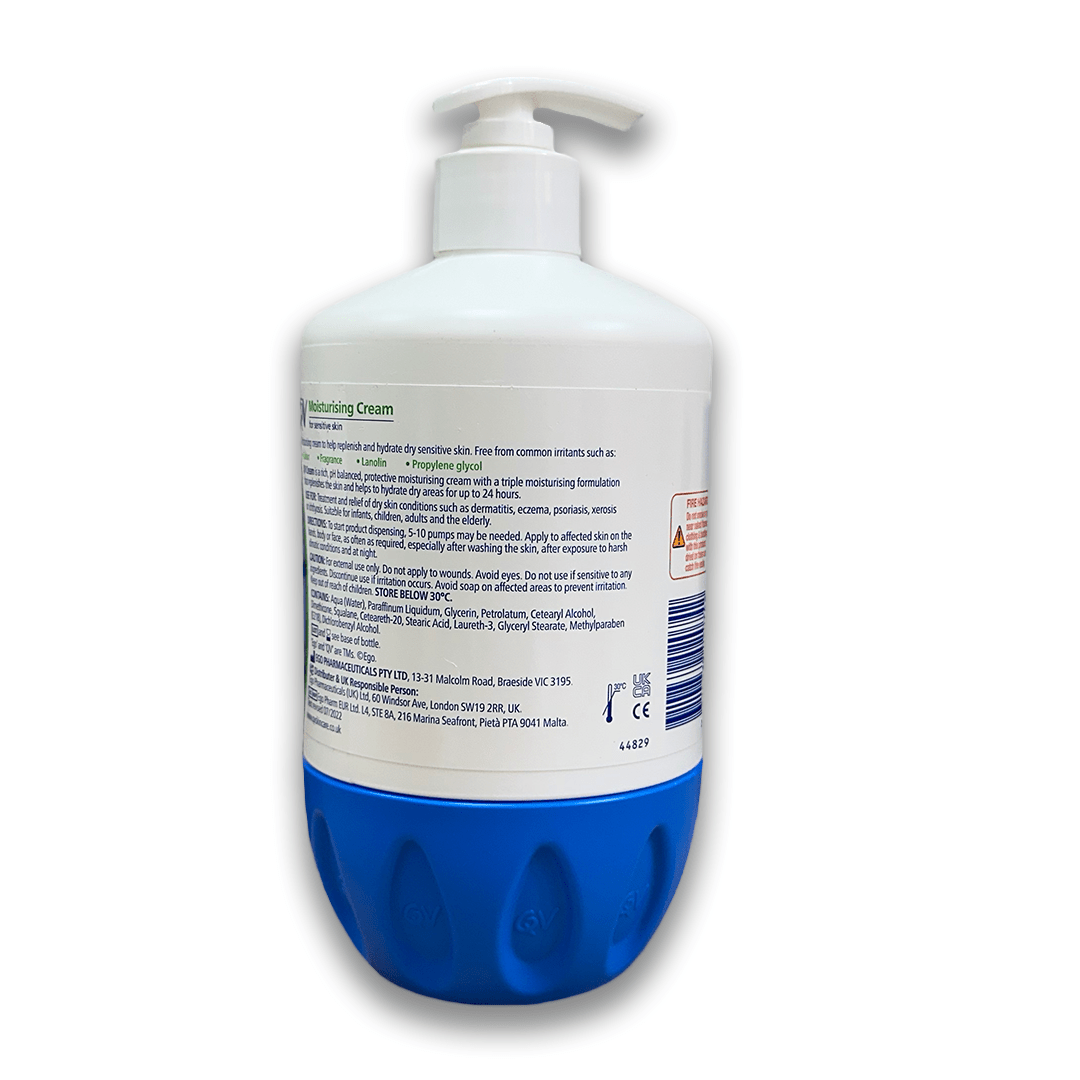
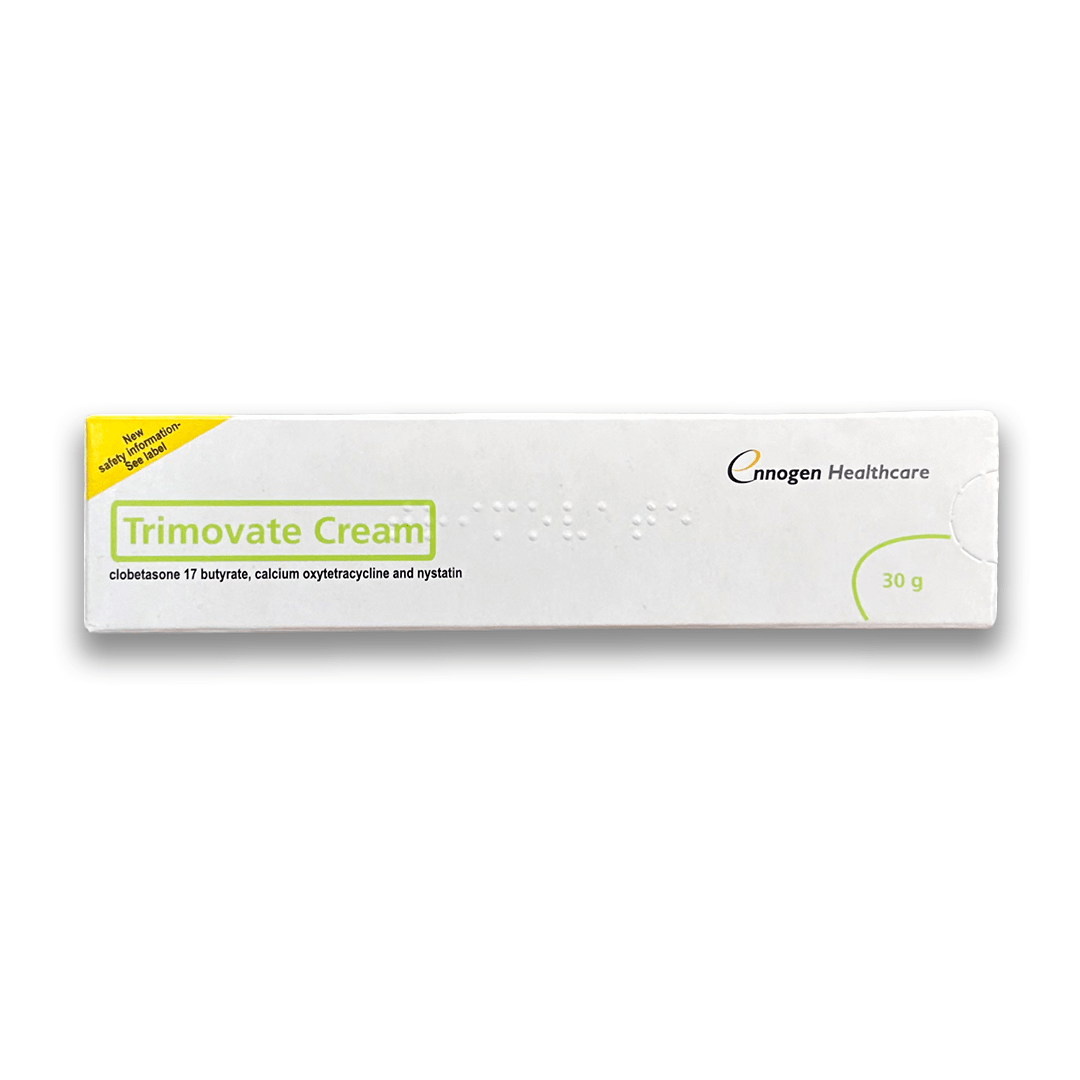
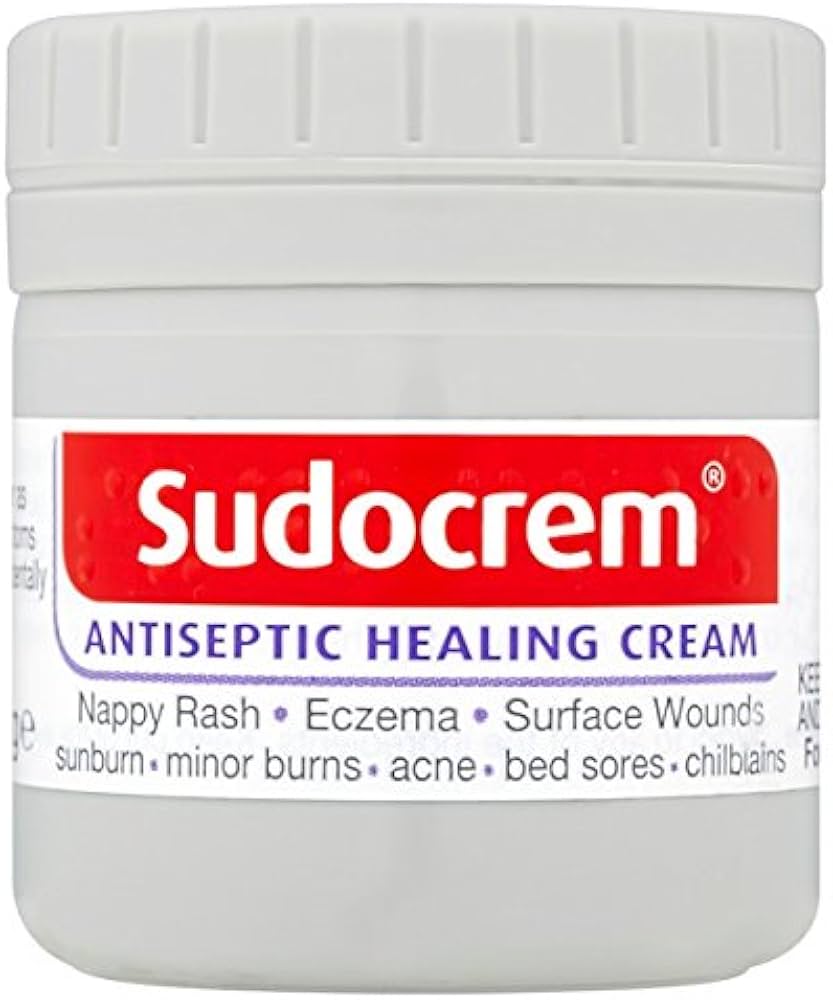
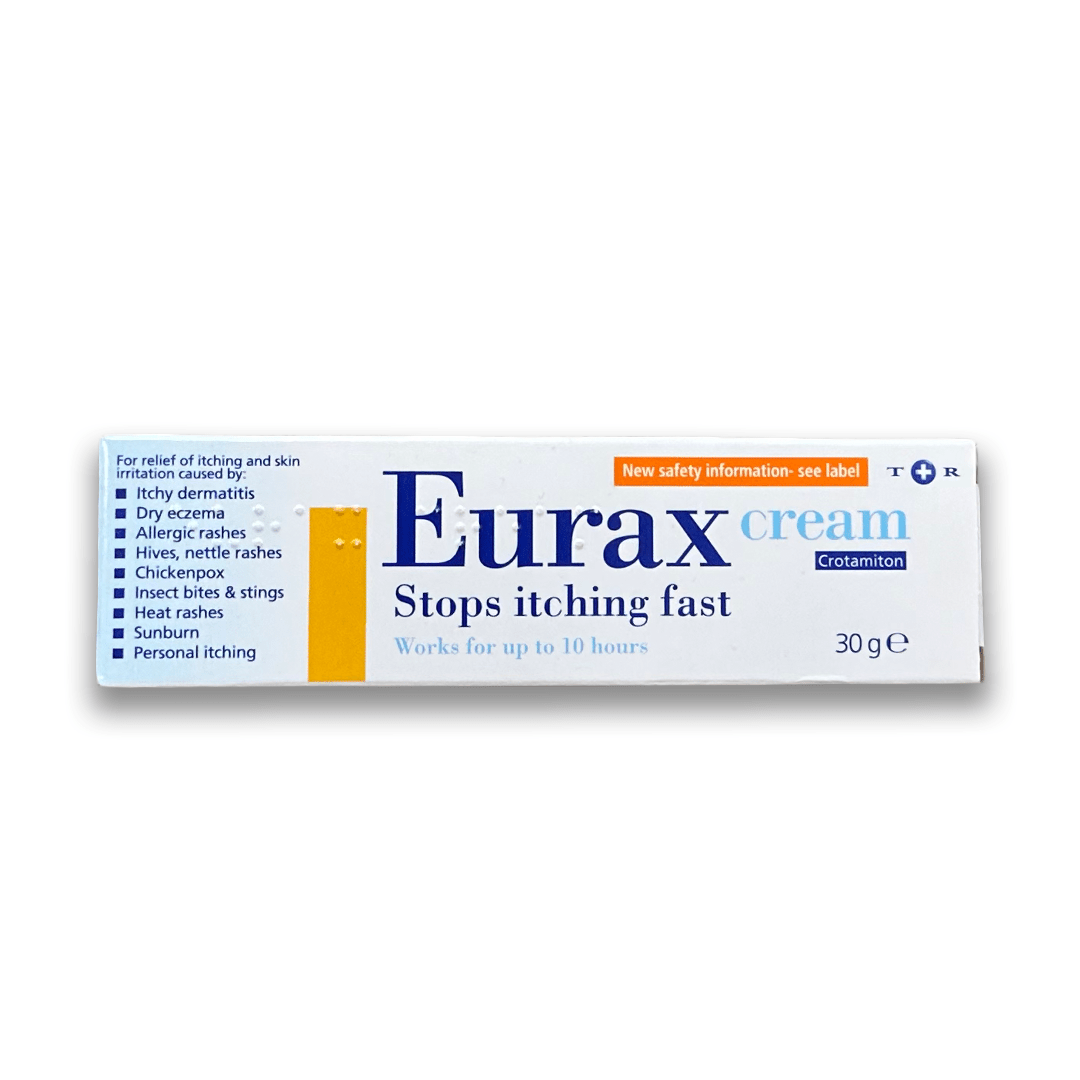
Topical treatments, such as dermatologically formulated creams, ointments, lotions, and gels, play a crucial role in alleviating symptoms and supporting the skin's natural barrier. These products can be used during flare-ups to soothe irritation or as part of a regular skincare routine to help prevent future symptoms. Our range of eczema and psoriasis treatments is designed to support your skin’s health and provide relief tailored to your needs.

Start your consultation

TAKES APPROXIMATELY 2 MINS TO COMPLETE.

About Eczema and Psoriasis Treatment

Everything you need to know, from causes to treatment options.

The causes of eczema are multifactorial and may include:
Genetics: Eczema often has a genetic component, with a family history of the condition increasing the risk.
Immune System Dysfunction: Immune system abnormalities can contribute to the development of eczema.
Skin Barrier Dysfunction: Individuals with eczema have a compromised skin barrier, which makes the skin more susceptible to irritants and allergens.
Environmental Factors: Exposure to triggers such as pollen, pet dander, or harsh weather conditions can exacerbate eczema.
Irritants and Allergens: Certain substances, like fragrances, detergents, and certain fabrics, can irritate the skin and worsen eczema.

Diagnosing eczema usually involves a clinical assessment by a healthcare provider or dermatologist. Key aspects of diagnosis include:
Medical History: A thorough review of the patient's medical history and family history can provide insights into the likelihood of eczema.
Clinical Evaluation: Healthcare providers assess the appearance and location of skin rashes, along with any associated symptoms like itching.
Patch Testing: In some cases, patch testing may be conducted to identify specific allergens or irritants that trigger eczema.
Rule Out Other Conditions: Dermatologists may need to rule out other skin conditions that can mimic eczema, such as psoriasis or contact dermatitis.

Eczema creams are central to the management of this skin condition. They may include the following types of products:
Emollients: Emollient creams and ointments are essential for maintaining skin hydration and restoring the skin's natural barrier.
Topical Steroids: Topical corticosteroids can reduce inflammation and alleviate itching during eczema flare-ups.
Calcineurin Inhibitors: These are non-steroidal creams that can reduce inflammation and are particularly useful for sensitive areas like the face.
Antihistamines: In some cases, oral or topical antihistamines can help relieve itching.
Wet Wrap Therapy: This involves applying an emollient and wrapping the affected skin with wet bandages to enhance hydration.
Biologic Medications: In severe cases, biologic medications may be prescribed to modulate the immune system.
It's essential to work with a healthcare provider or dermatologist to determine the most appropriate treatments for your specific type of eczema.

Preventive measures for managing eczema include:
Hydration: Keeping the skin well-hydrated with emollients and moisturisers can prevent flare-ups.
Avoiding Triggers: Identifying and avoiding allergens and irritants that exacerbate eczema is crucial.
Gentle Cleansing: Using mild, fragrance-free soaps and avoiding hot water can prevent skin dryness.
Allergen Avoidance: For individuals with identified allergens, reducing exposure to these substances is key.
Regular Follow-Ups: Consistent follow-up appointments with a healthcare provider can help track progress and make necessary adjustments to the treatment plan.

Read more about Eczema and Psoriasis on the NHS website, following the links below:

https://www.nhs.uk/conditions/atopic-eczema/

https://www.nhs.uk/conditions/psoriasis/

FAQs

Are there any side effects or precautions I should be aware of when using eczema creams?

Eczema creams, particularly those containing topical steroids, can have potential side effects like skin thinning if used excessively. It's crucial to follow the prescribed guidelines provided by your healthcare provider, which may include using the cream sparingly and for a limited duration. Discuss any concerns or side effects with your healthcare provider.

Can I stop using eczema cream once my symptoms improve, or is it a long-term commitment?

The duration of using eczema cream varies depending on the individual and the condition's severity. In many cases, it's a long-term commitment to maintain healthy skin and prevent flare-ups. Your healthcare provider can advise on when and how to gradually reduce the use of eczema creams as your condition improves. Consistent skincare and preventive measures are also important for long-term management.

Can psoriasis affect more than just the skin and joints?

Yes, psoriasis is primarily a skin condition, but it can also affect other parts of the body. In some cases, it may lead to complications like psoriatic arthritis, which affects the joints. Additionally, it can impact the nails, causing pitting or thickening, and even lead to eye and cardiovascular issues. Regular check-ups with a healthcare provider are important for managing these potential complications.

Is psoriasis contagious, and can it be passed on to others through skin contact?

Psoriasis is not contagious. It is an autoimmune condition and cannot be passed on to others through skin-to-skin contact or any other means. You can have close physical contact with someone who has psoriasis without the risk of contracting the condition. It is safe to shake hands, hug, or touch the affected person's skin.

We are here to help!

For assistance, please contact our customer service at info@rightangled.com. We are available Monday to Friday from 8 am to 5 pm. For urgent issues, please do not use this email. Instead, call 111, or dial 999 in case of an emergency.

Can't find the treatment you're looking for?

Drop us a message and our team will do their best to source it for you.