Fast and discreet delivery

Securely packed and tracked

Prescribed by registered doctors

Every treatment is clinically reviewed

Clinical treatments

Clear guidance at every step

Trusted by 500,000+ patients

Care designed around patients

Constipation and Piles Relief - Rightangled

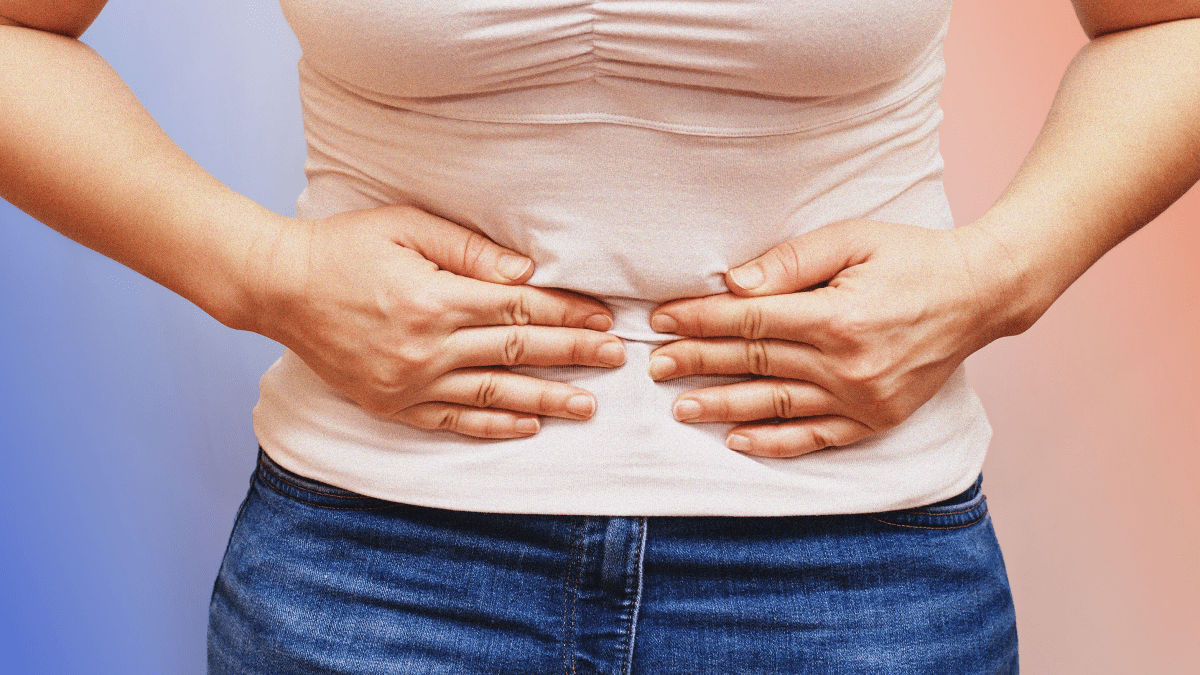
What is Constipation and Piles Relief?

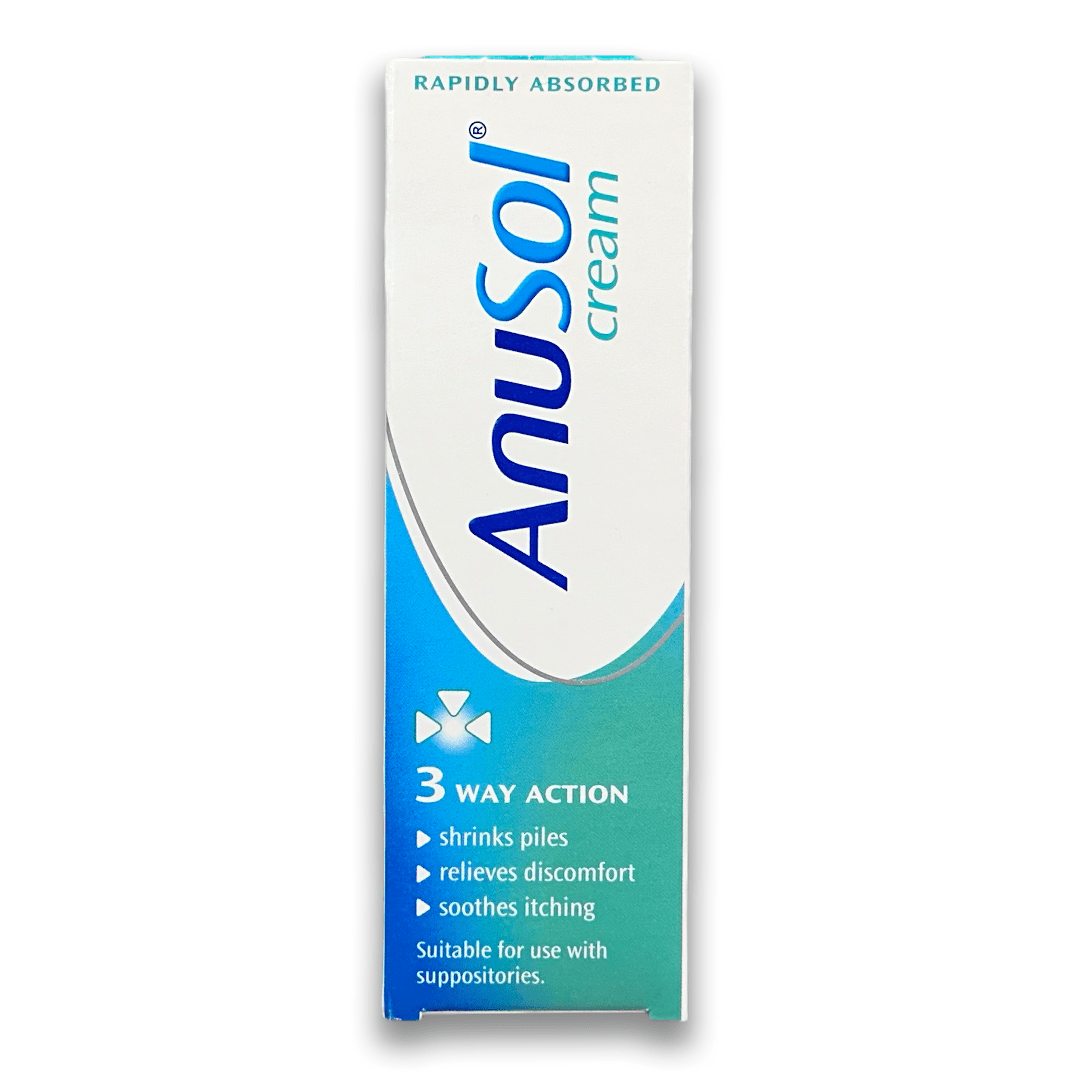
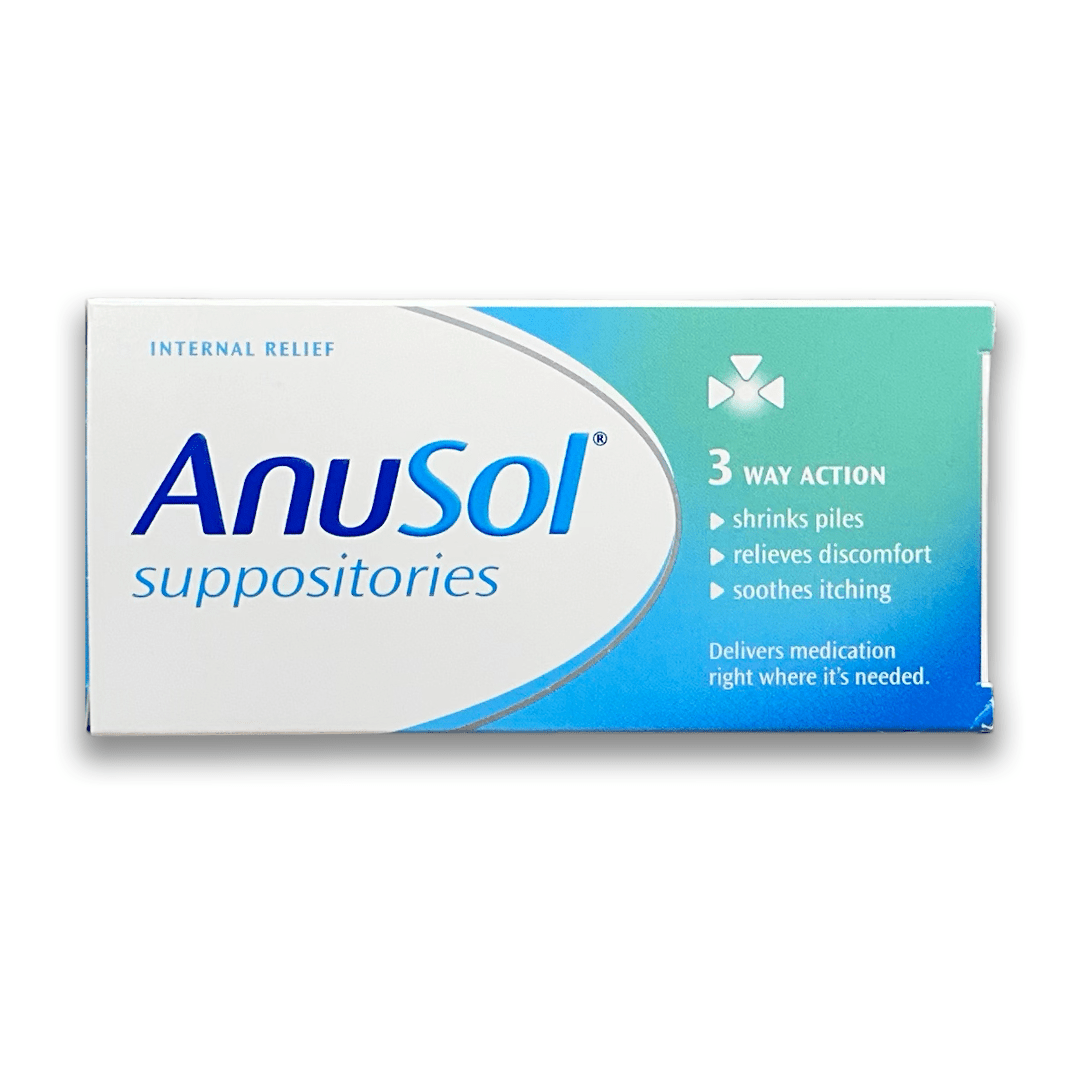
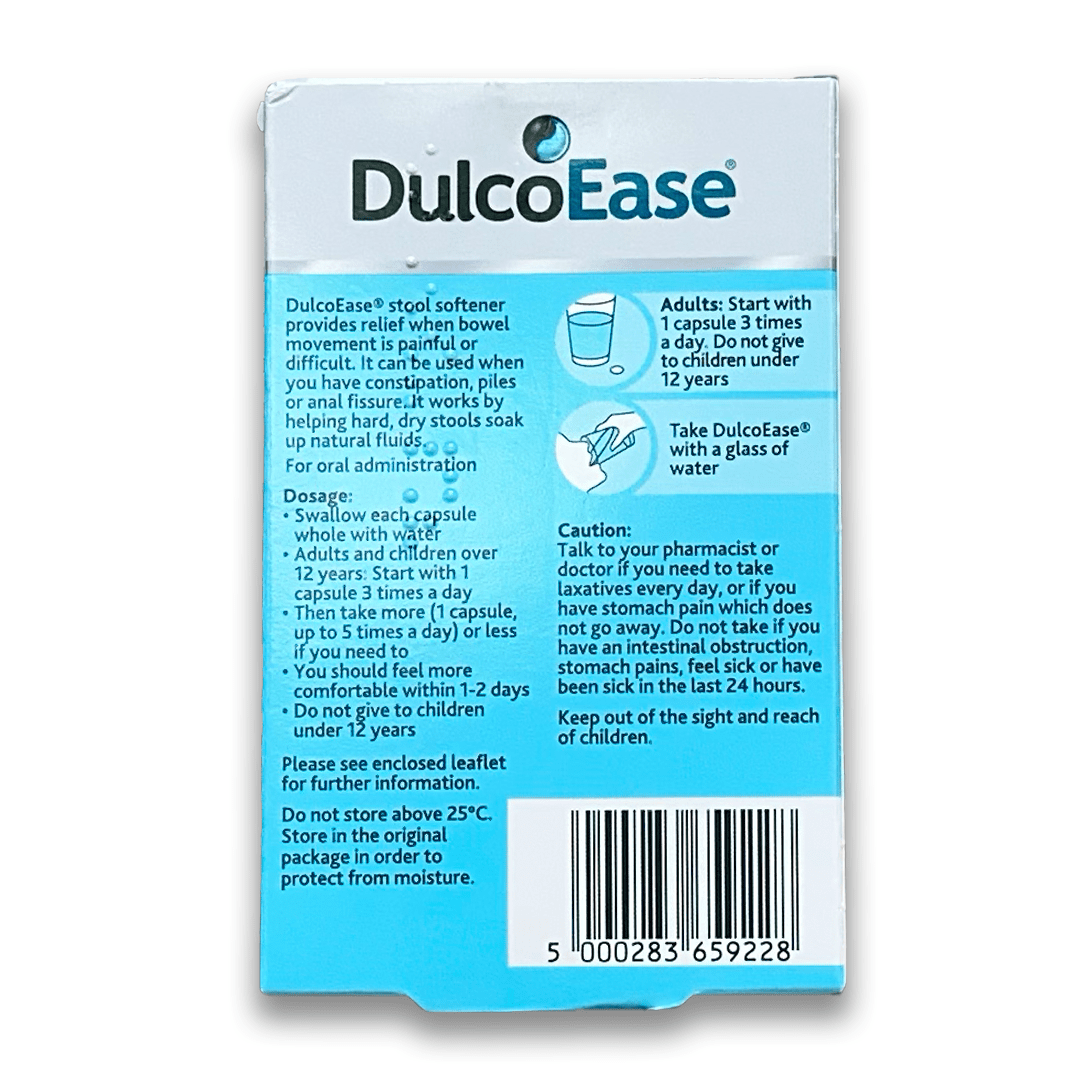
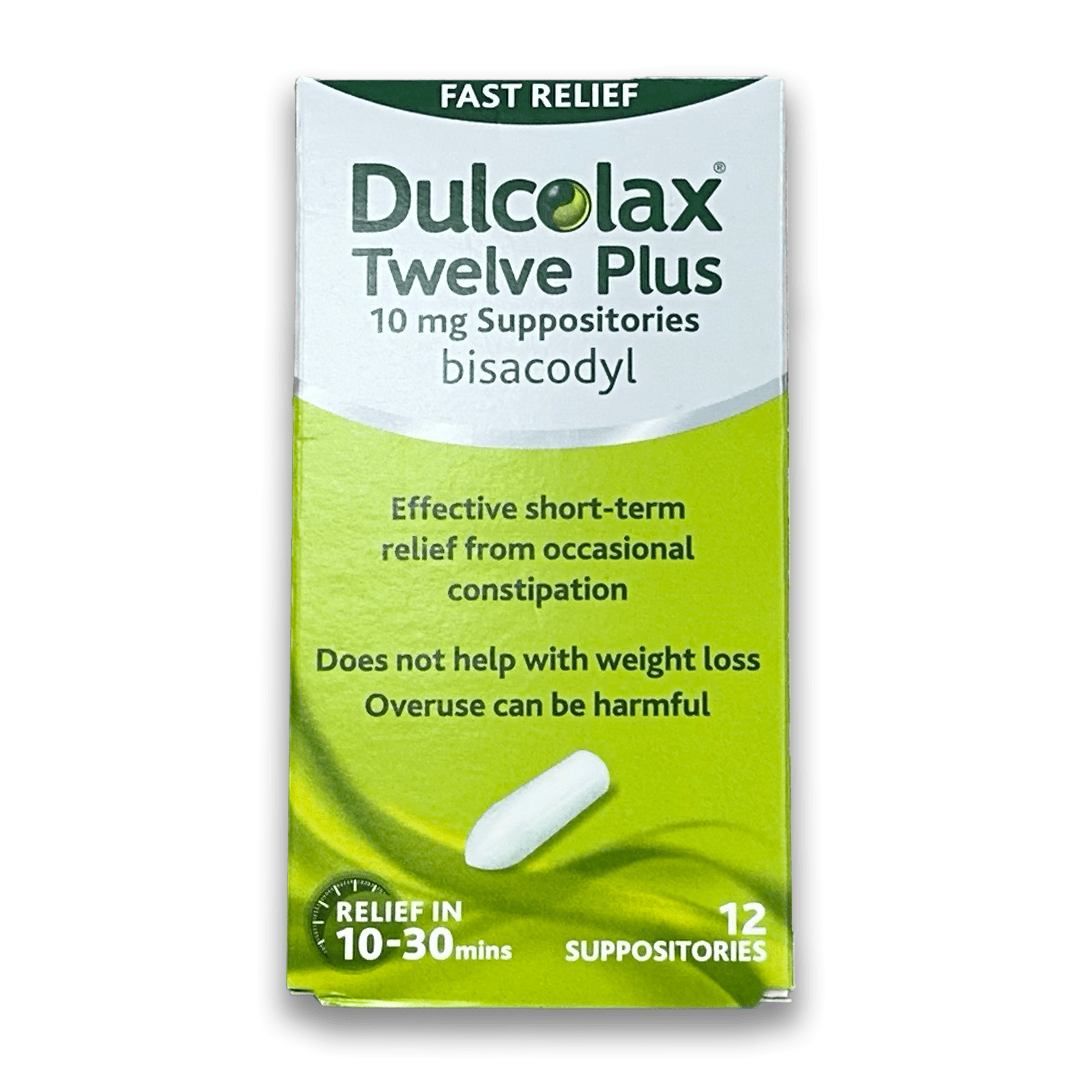
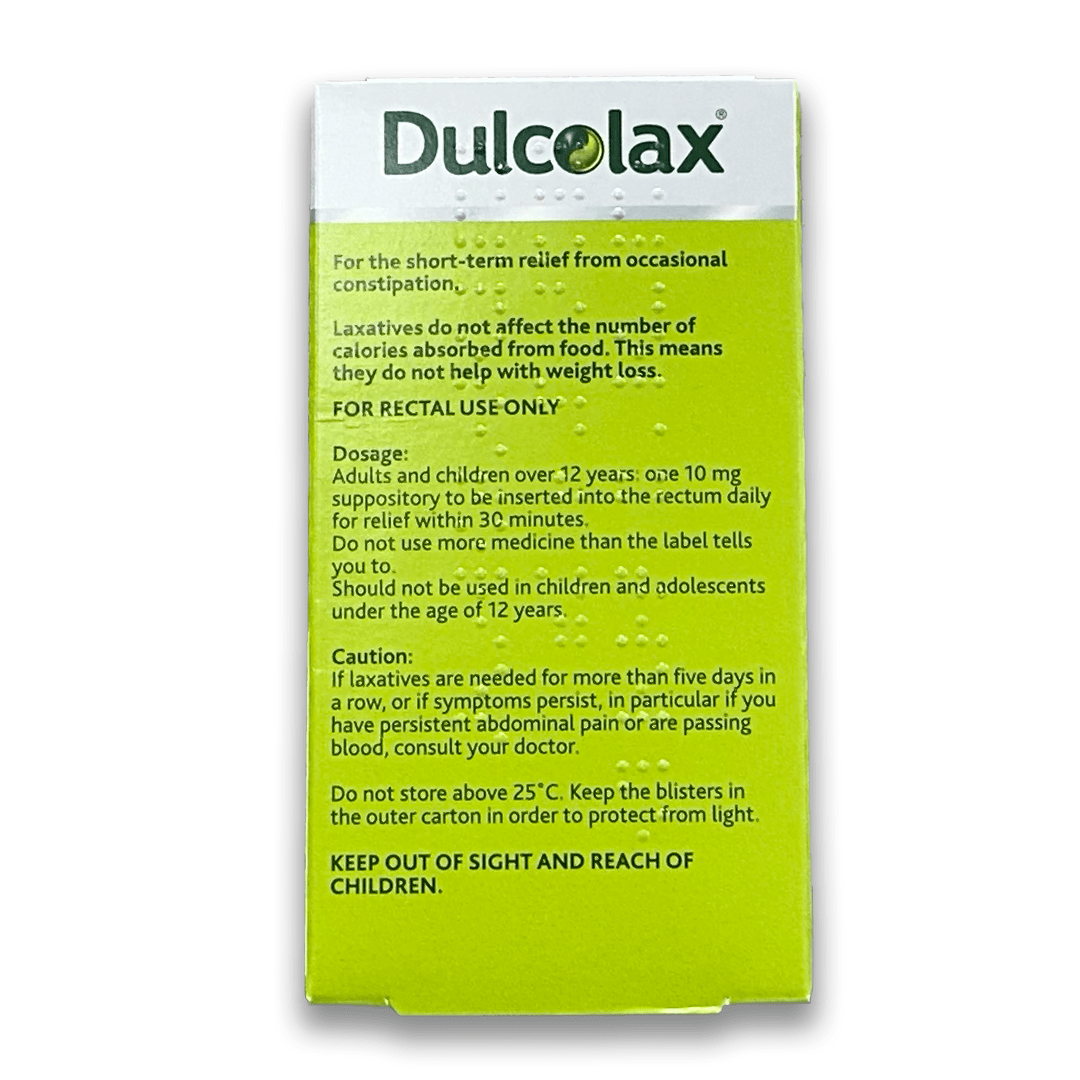
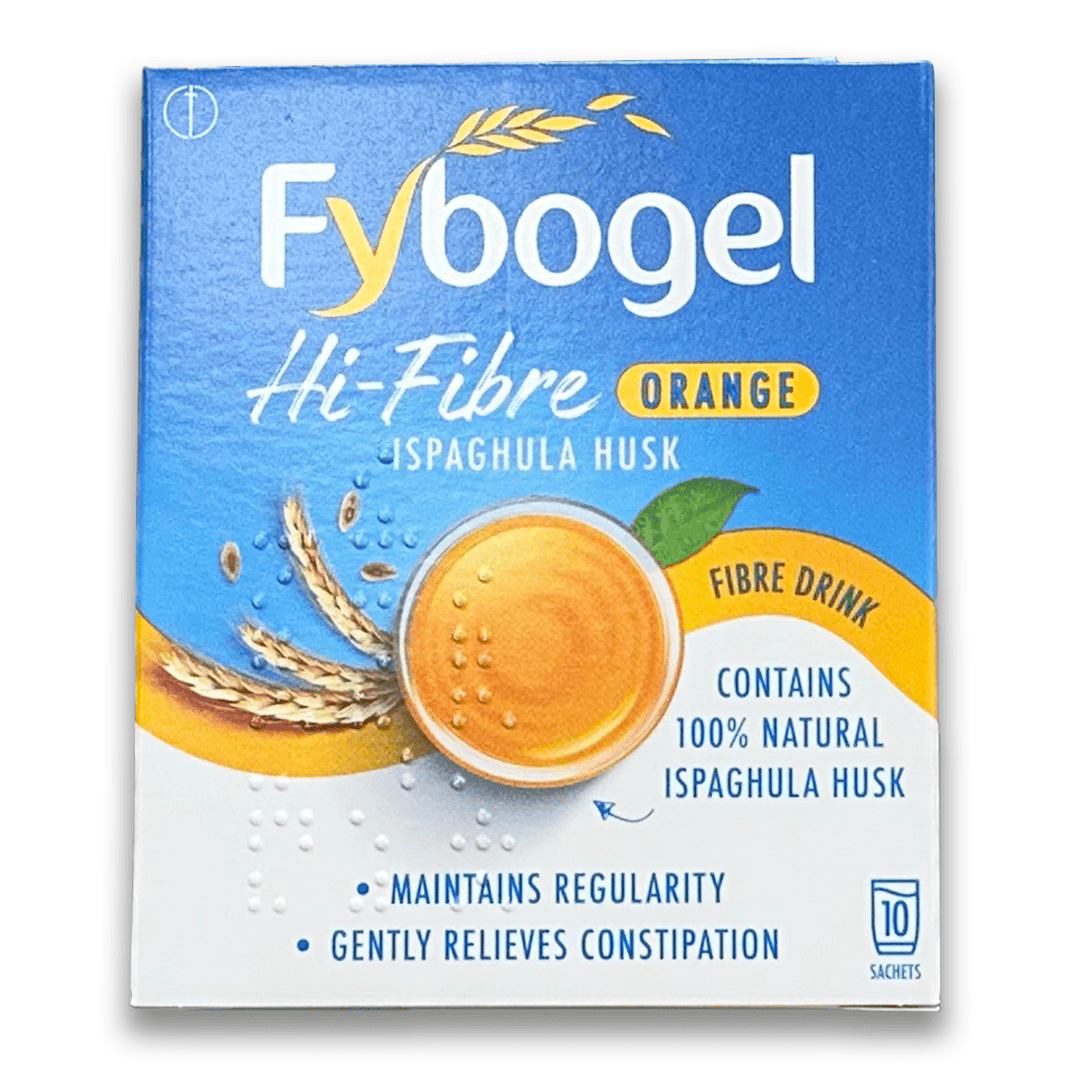
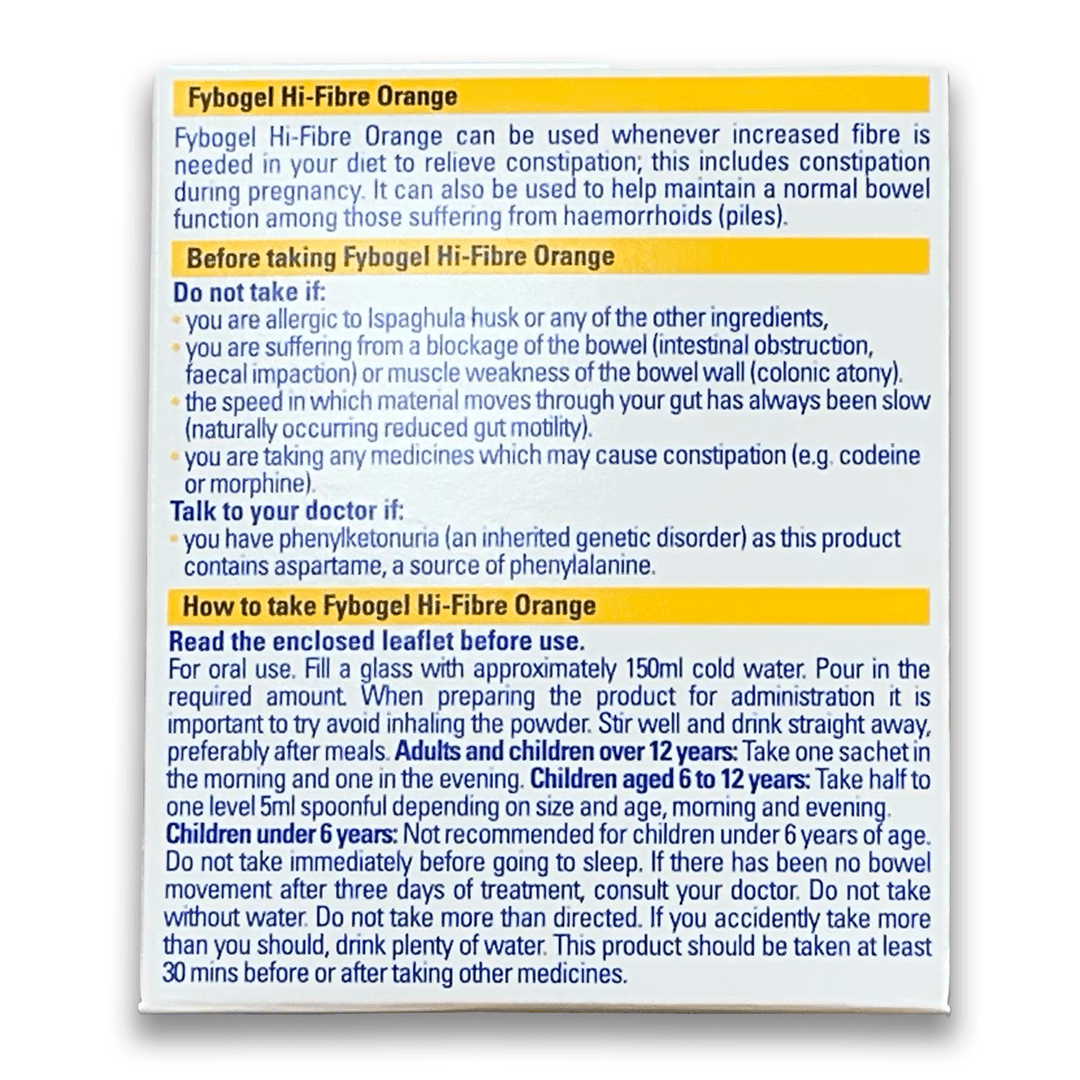
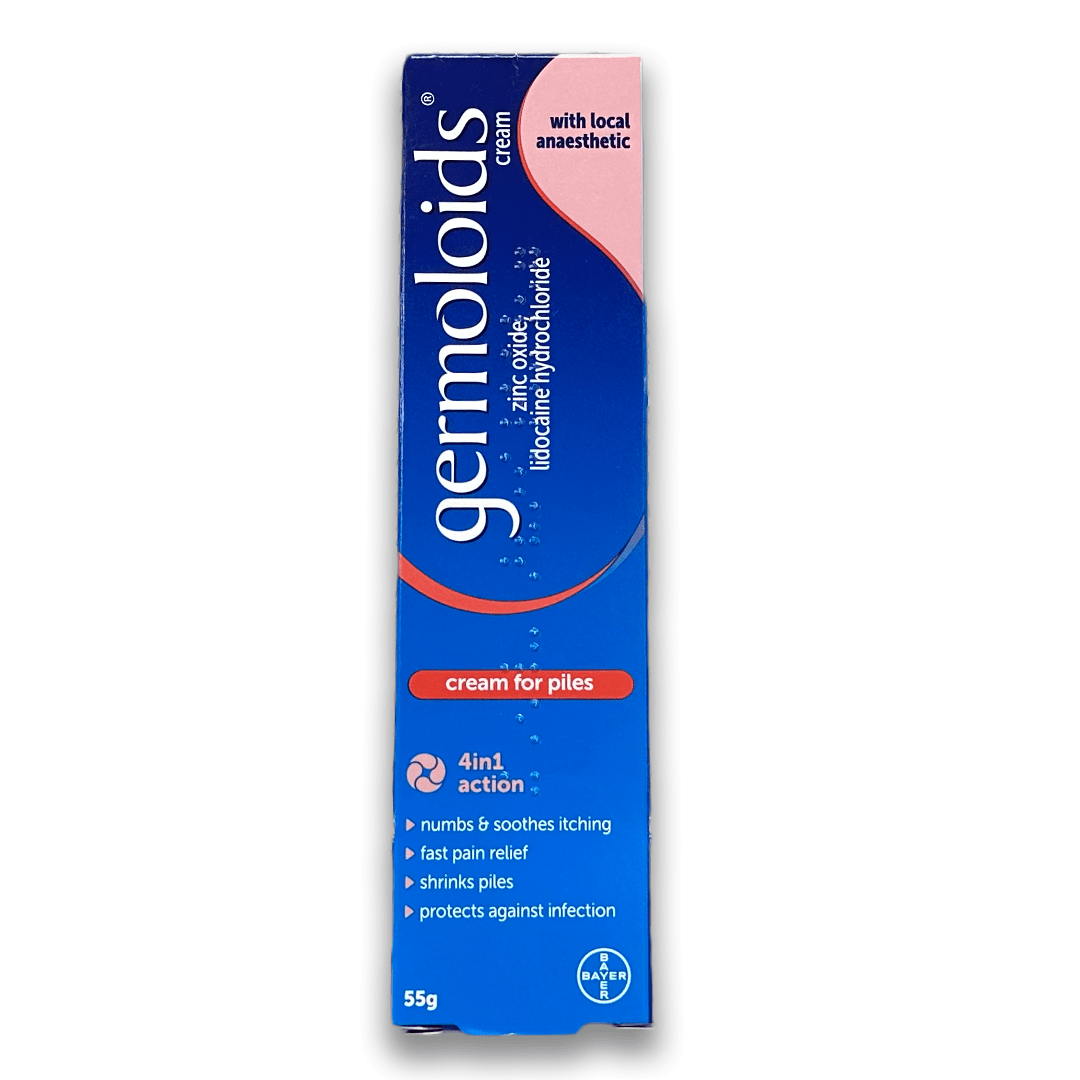
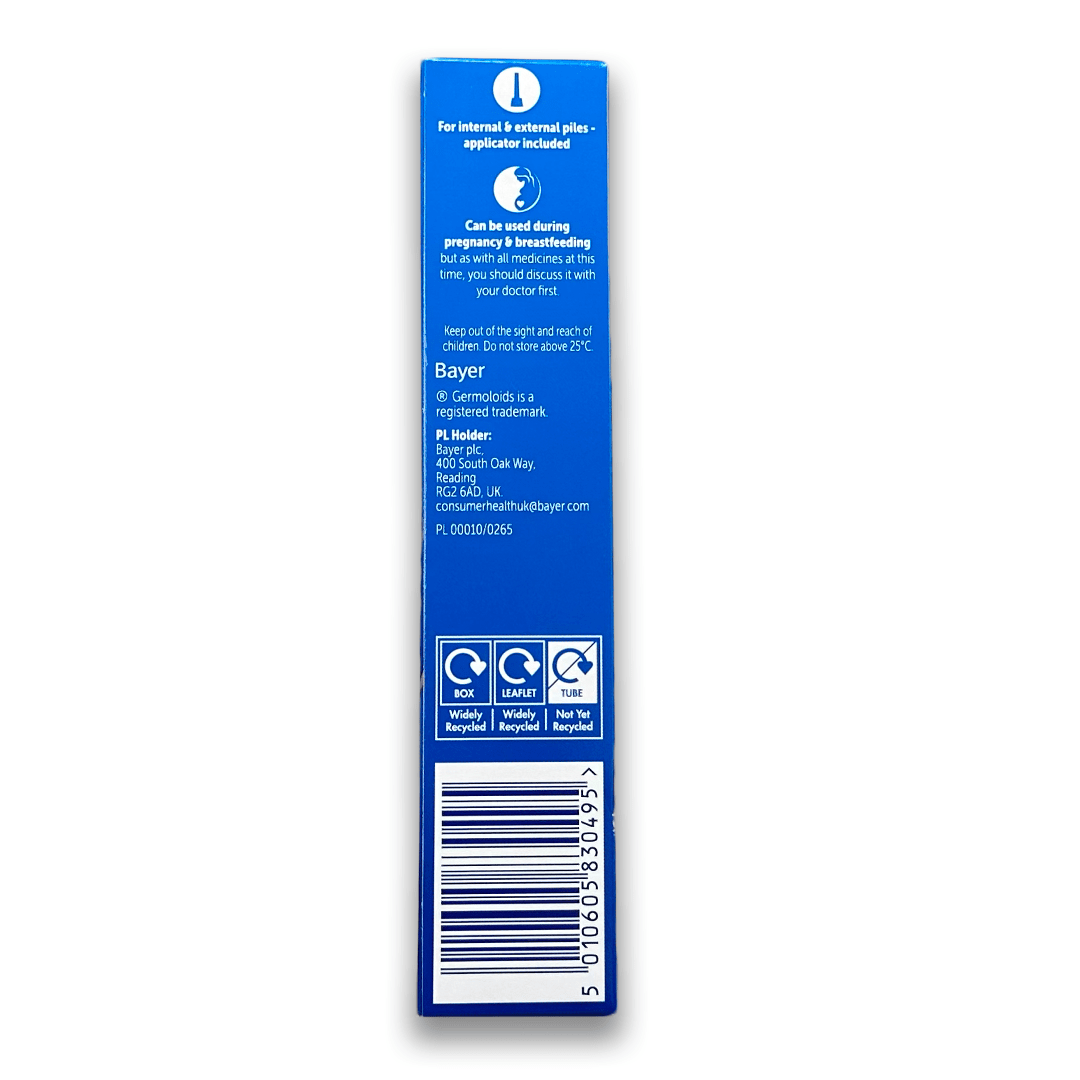
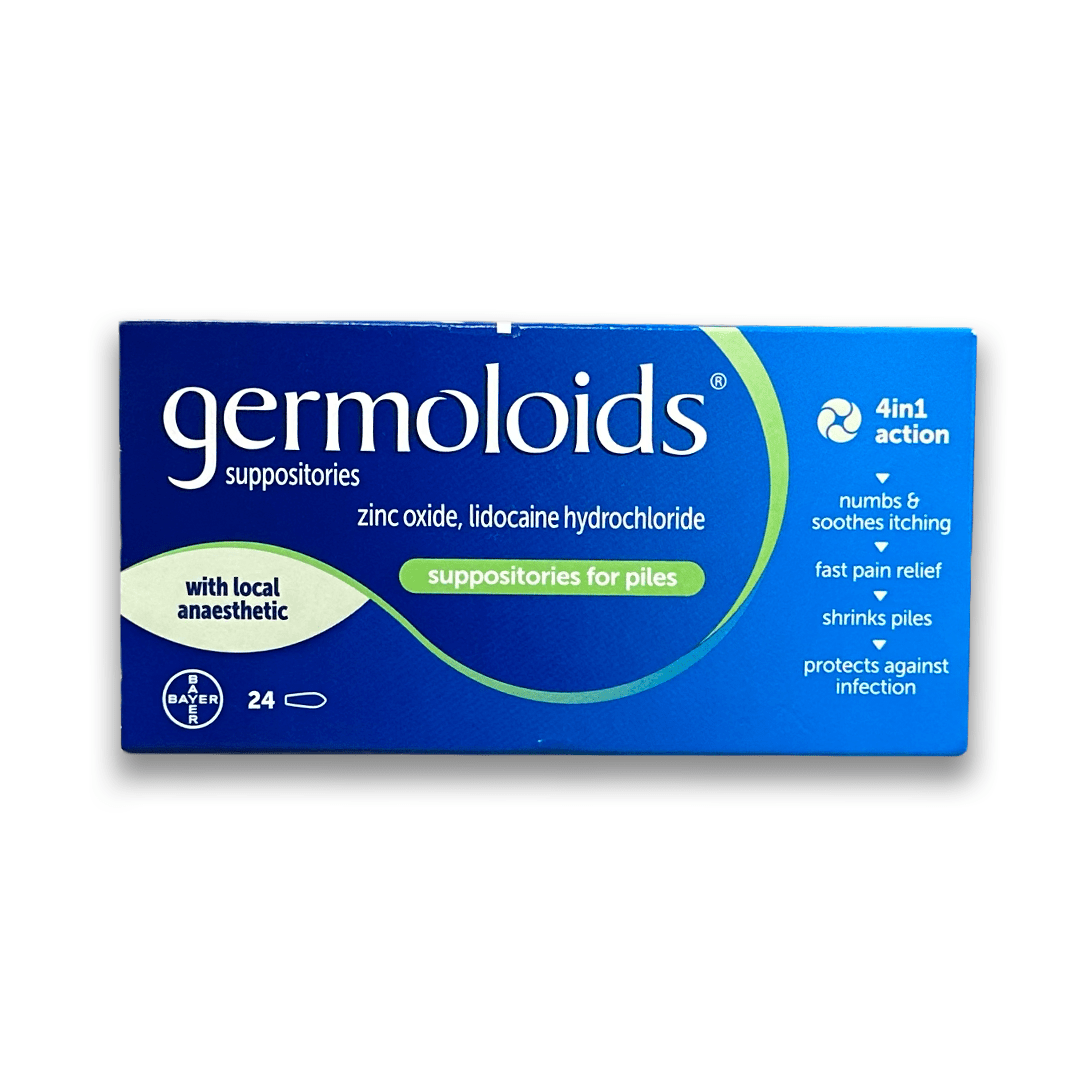
Find effective relief for constipation and piles with Rightangled. Access online consultations with in-house clinicians for prescribed treatments, including fiber supplements, laxatives, and soothing creams. Get fast UK delivery on essential relief products.
Start your consultation

TAKES APPROXIMATELY 2 MINS TO COMPLETE.

About Constipation and Piles Relief

Everything you need to know, from causes to treatment options.

Constipation is commonly caused by a low-fibre diet, dehydration, lack of physical activity, or delaying the urge to pass stool. Other factors include certain medications, stress, or underlying health conditions such as irritable bowel syndrome (IBS).
Piles (Hemorrhoids) are often caused by prolonged straining during bowel movements, which puts pressure on the blood vessels in the rectum and anus. Chronic constipation, pregnancy, obesity, or prolonged sitting can increase the risk of developing piles.

Constipation is diagnosed based on symptoms, such as infrequent bowel movements (fewer than three per week), hard stools, or difficulty passing stool. In some cases, a healthcare provider may recommend further tests if constipation is chronic or severe.
Piles is diagnosed through a physical examination. For internal piles, a doctor may perform a digital rectal exam or use an instrument called an anoscope to examine the rectum.

Constipation:
- Increase fibre intake through fruits, vegetables, and whole grains.
- Drink plenty of water and engage in regular physical activity.
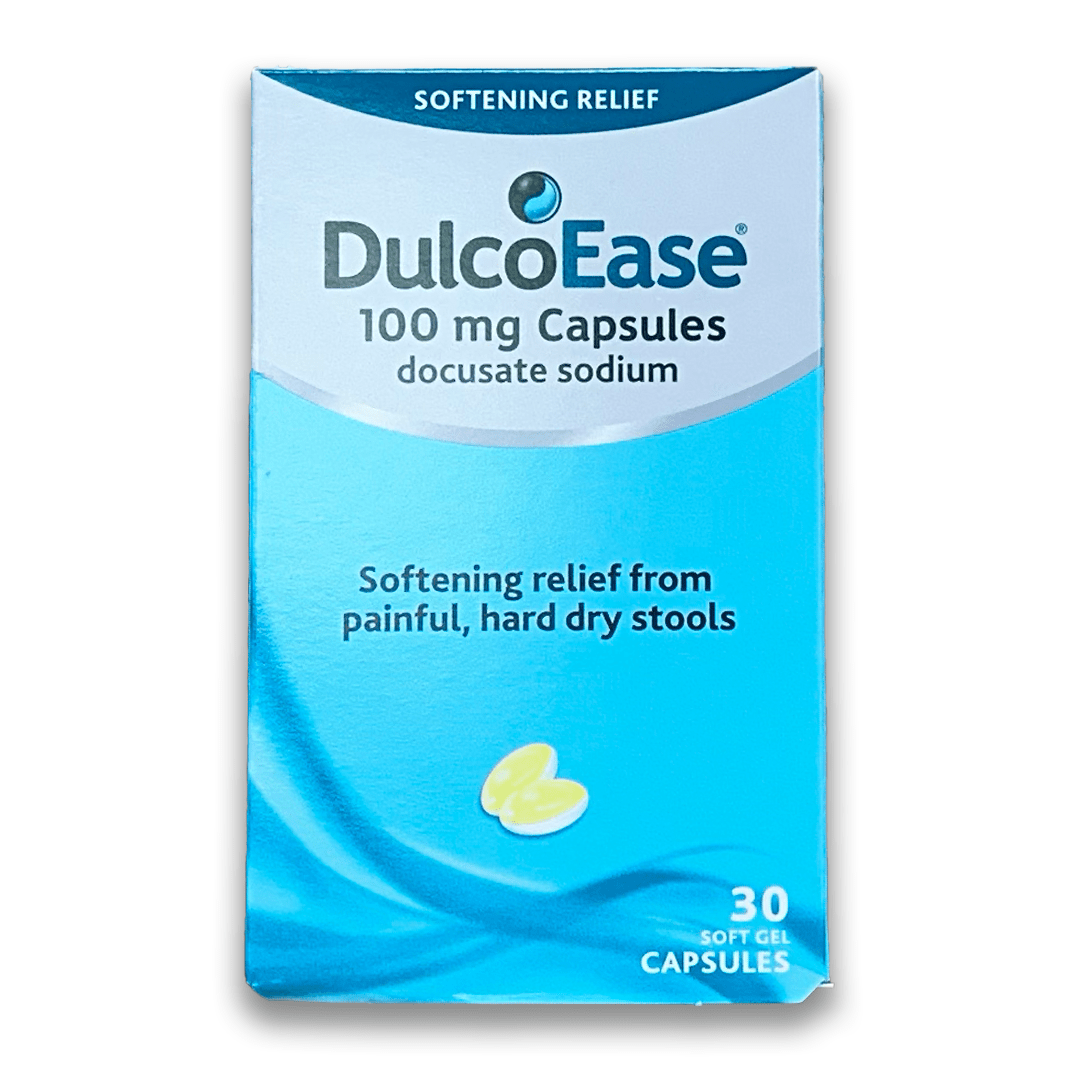
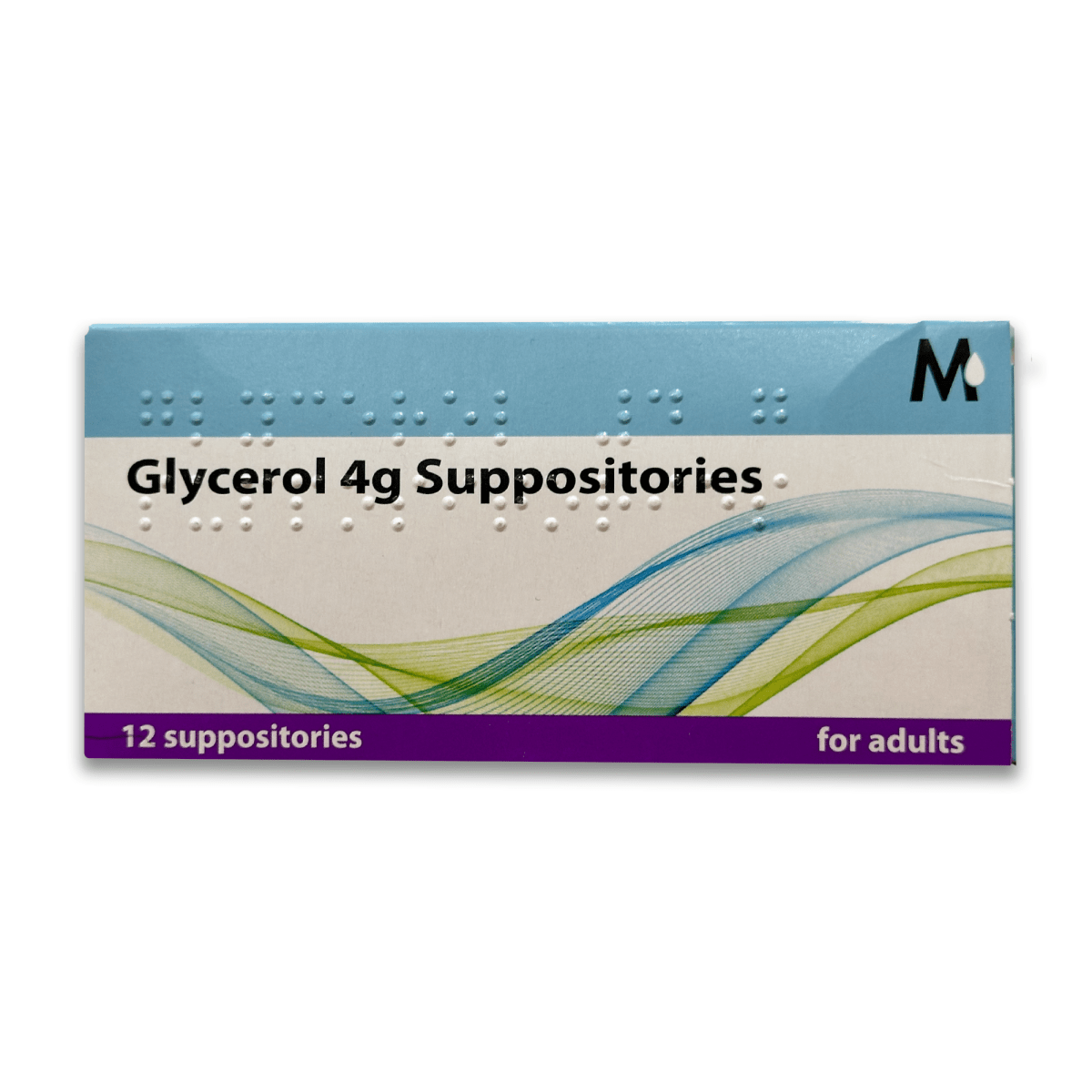
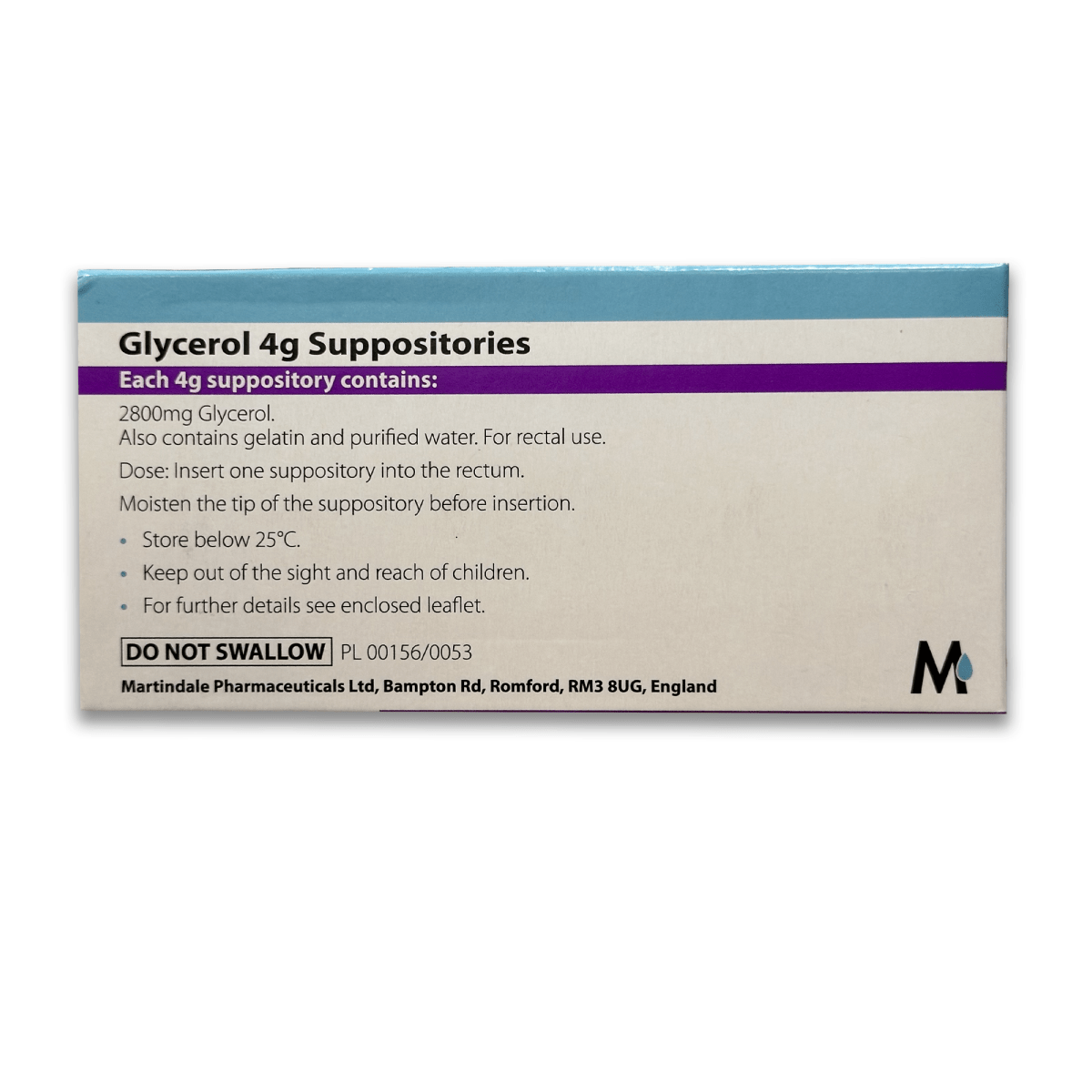
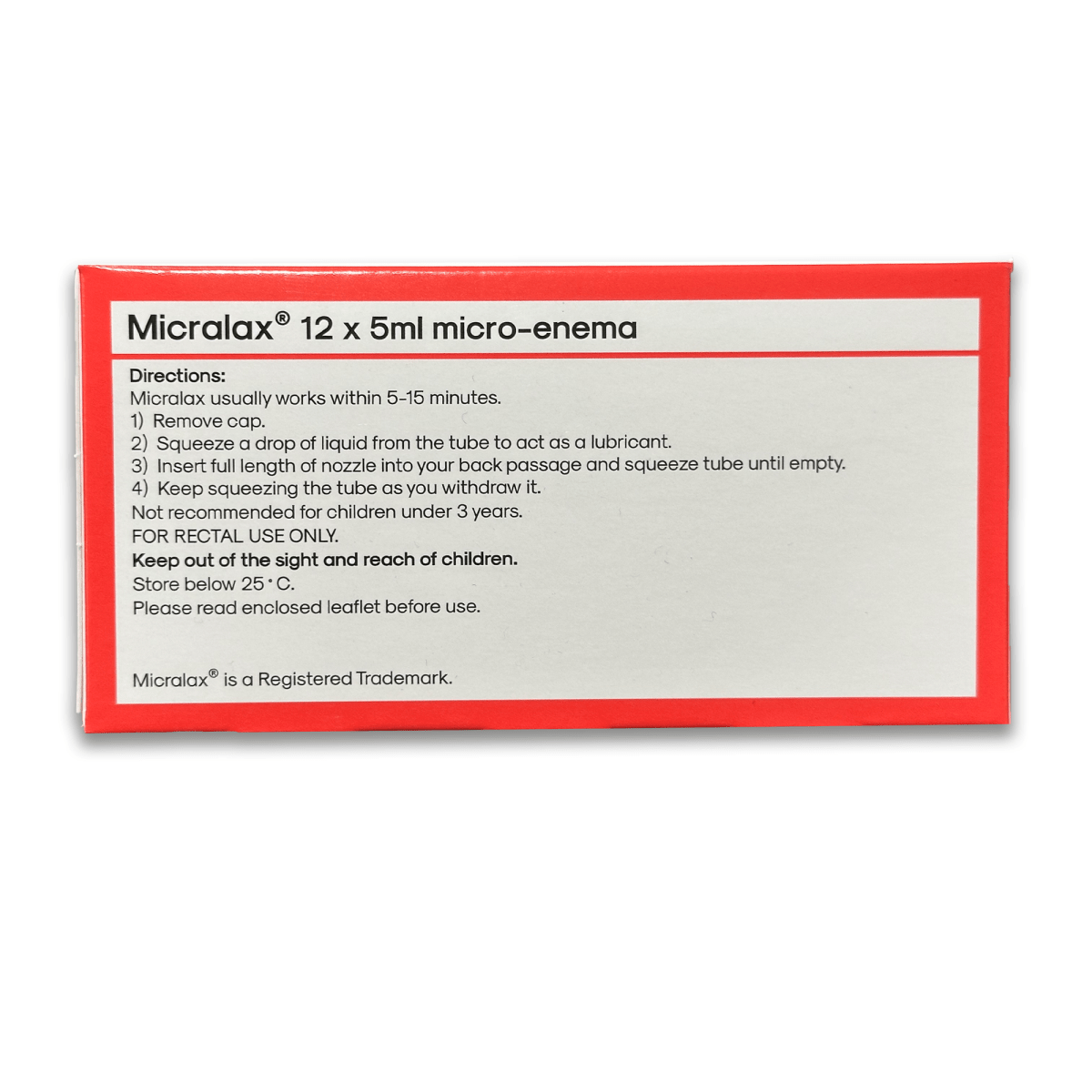
- Use over-the-counter laxatives or stool softeners for short-term relief (consult a healthcare provider if needed).

Piles:
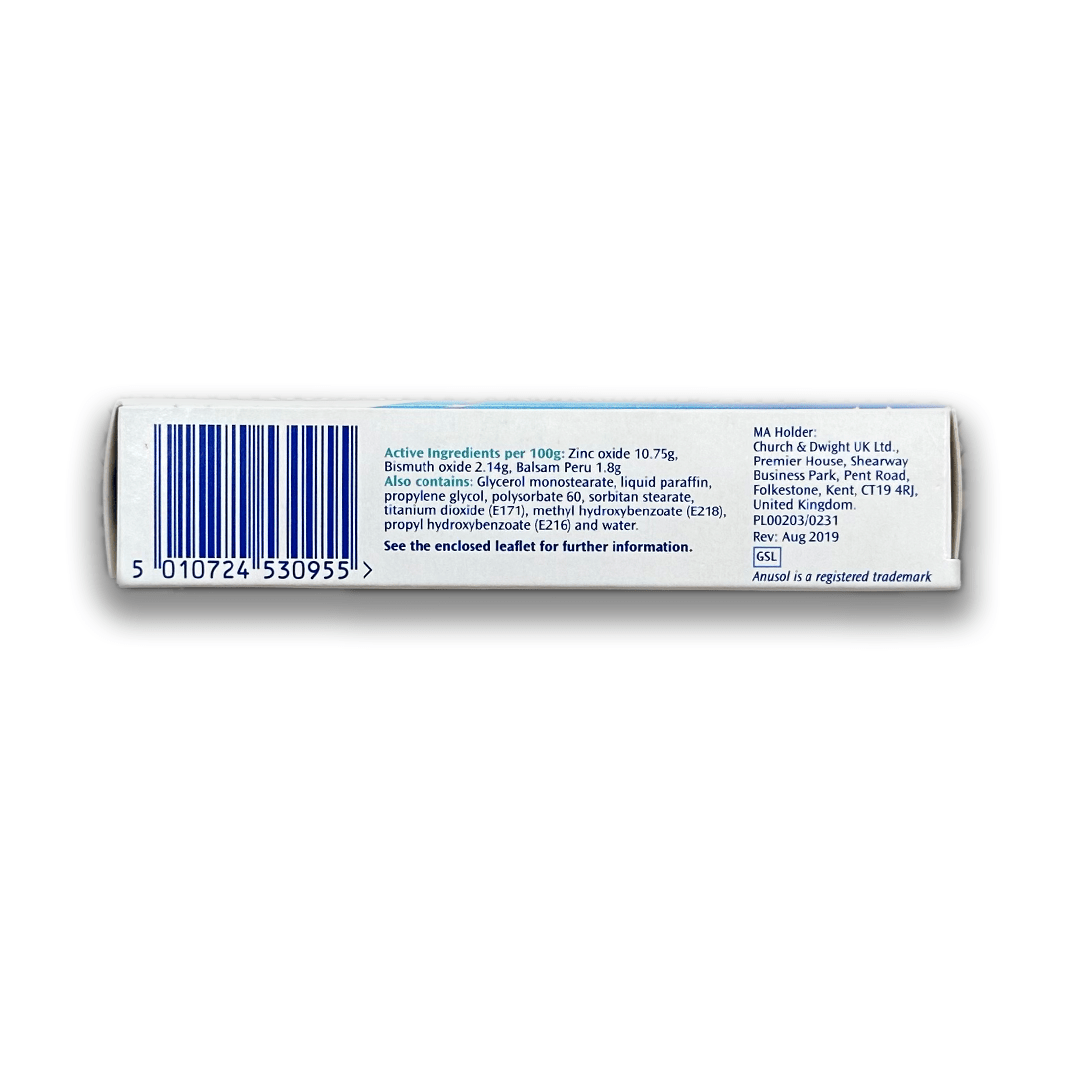
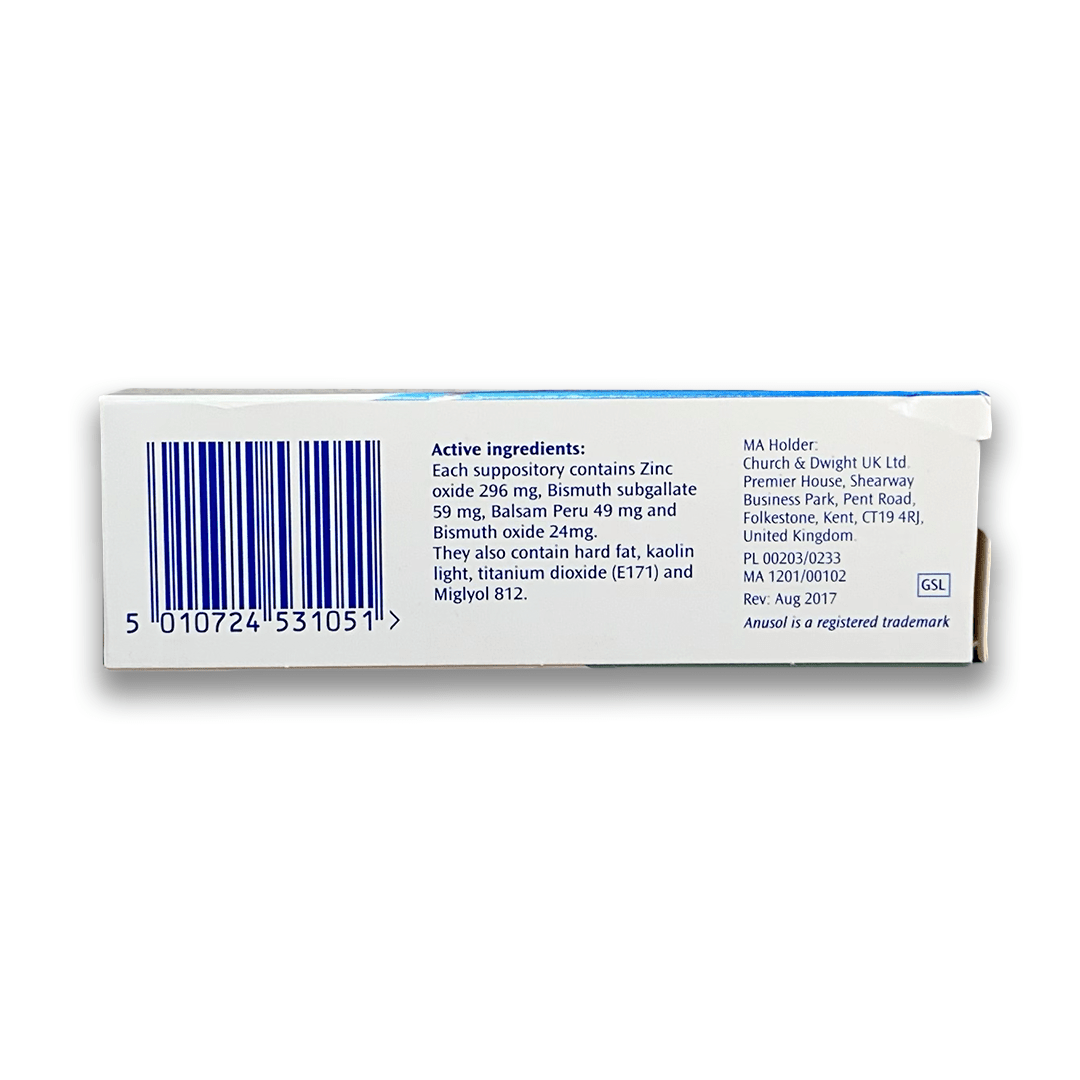
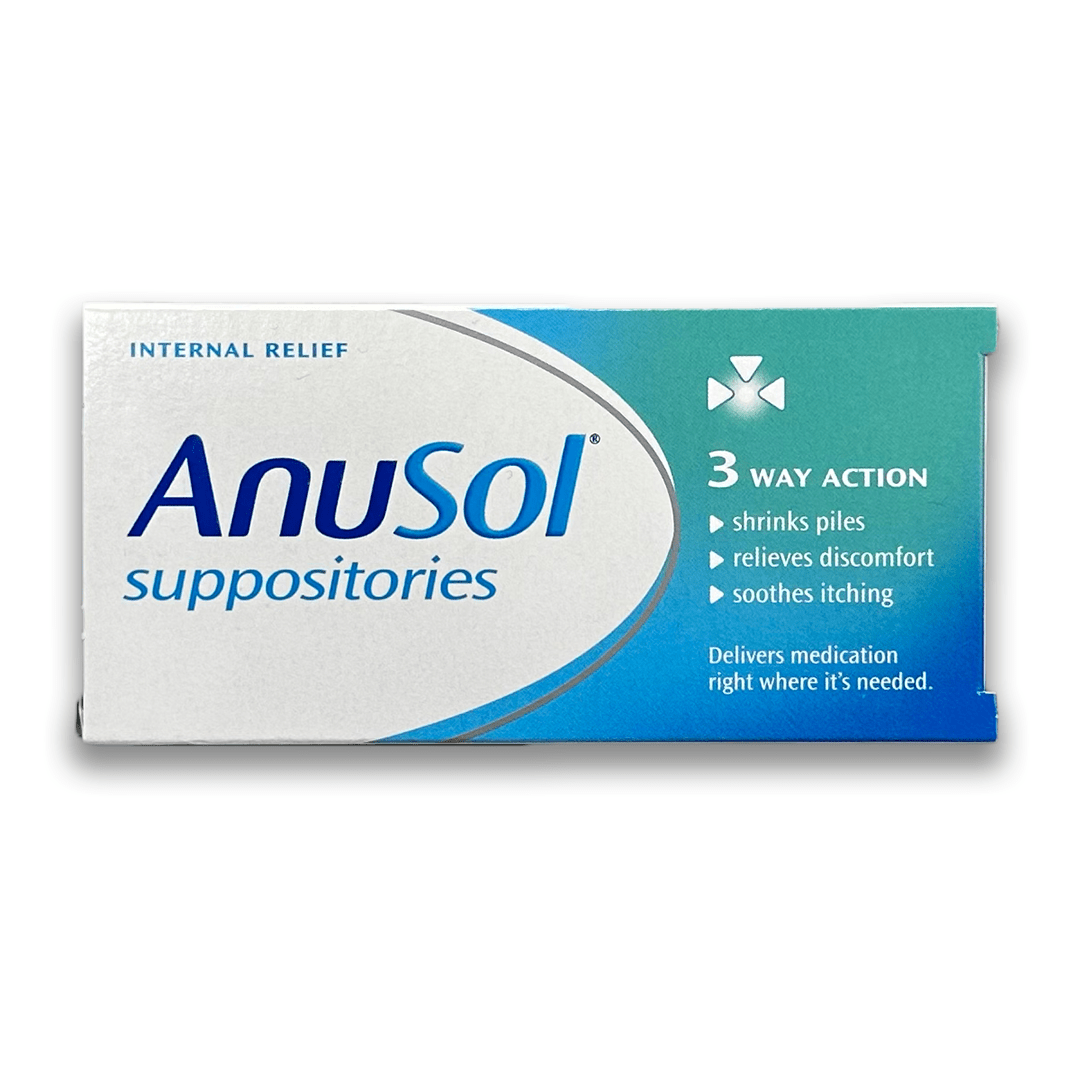
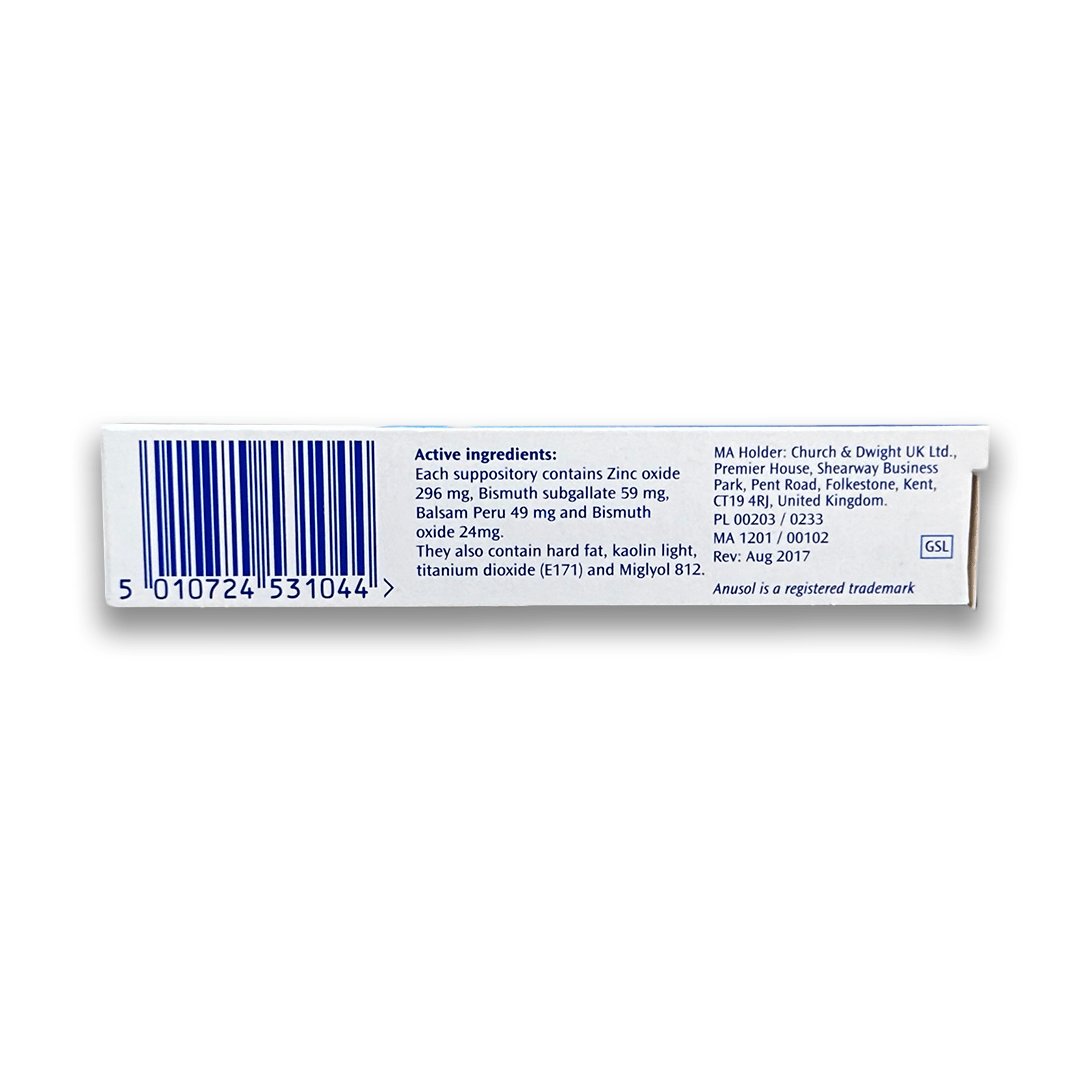
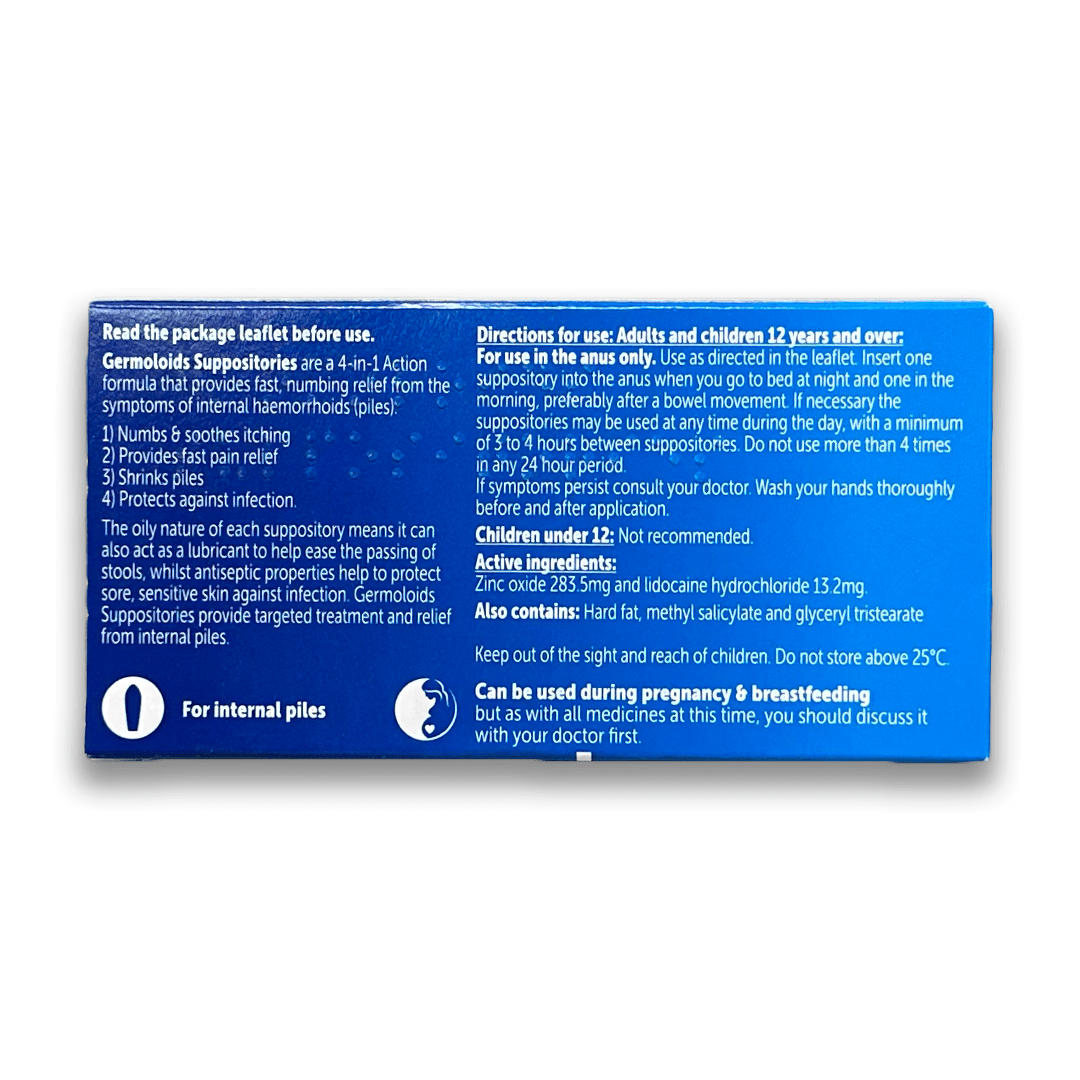
- Use over-the-counter creams, ointments, or suppositories to reduce swelling and discomfort.
- Apply cold compresses or warm sitz baths to soothe the area.
- For severe or persistent cases, medical interventions such as rubber band ligation or surgery may be required.

A high-fibre diet, adequate hydration, and regular exercise are key to preventing both constipation and piles. It is also important to respond promptly to the urge to pass stool and avoid straining during bowel movements. For those prone to piles, avoiding prolonged sitting and lifting heavy objects improperly can reduce strain on the rectal area. Maintaining a healthy weight and good hygiene further supports prevention.

Read more about Constipation and Piles on the NHS website, following the links below:

https://www.nhs.uk/conditions/constipation/

https://www.nhs.uk/conditions/piles-haemorrhoids/

FAQs

How do I know if my constipation is serious and needs medical attention?

Constipation is usually temporary and can be resolved with dietary changes and hydration. However, you should see a doctor if it persists for more than two weeks, is accompanied by severe pain, blood in the stool, unintentional weight loss, or if you experience significant bloating or vomiting. These could be signs of an underlying condition requiring further investigation.

Can constipation cause or worsen piles (hemorrhoids)?

Yes, chronic constipation can strain the blood vessels in the rectum due to excessive straining during bowel movements, leading to the development or worsening of piles. Managing constipation through a high-fiber diet, staying hydrated, and using stool softeners can help prevent or reduce the strain and associated discomfort.

What can I do to prevent constipation and piles in the long term?

Preventative measures include eating a diet rich in fiber (fruits, vegetables, whole grains), drinking plenty of water, and engaging in regular physical activity. Establishing a routine for bowel movements and avoiding prolonged sitting on the toilet can also help reduce the risk of constipation and piles over time.

Are there any lifestyle habits that might make piles worse?

Yes, habits such as prolonged sitting, straining during bowel movements, or lifting heavy objects can exacerbate piles. It’s also important to avoid delaying the urge to go to the toilet, as this can make stools harder and more difficult to pass, worsening the condition. Adopting healthy bathroom habits and treating symptoms early can help minimize discomfort.


We are here to help!

For assistance, please contact our customer service at info@rightangled.com. We are available Monday to Friday from 8 am to 5 pm. For urgent issues, please do not use this email. Instead, call 111, or dial 999 in case of an emergency.

Can't find the treatment you're looking for?

Drop us a message and our team will do their best to source it for you.