
Fast and discreet delivery

Securely packed and tracked

Prescribed by registered doctors

Every treatment is clinically reviewed

Clinical treatments

Clear guidance at every step

Trusted by 500,000+ patients

Care designed around patients

Children's Pain relief - Rightangled

What is Children's Pain relief?

Pain is an unpleasant but essential sensation that alerts the body to potential harm. Although essential, this can be especially distressing for children in particular, which makes managing pain crucial to ensuring their comfort and promoting overall well-being during times of discomfort.

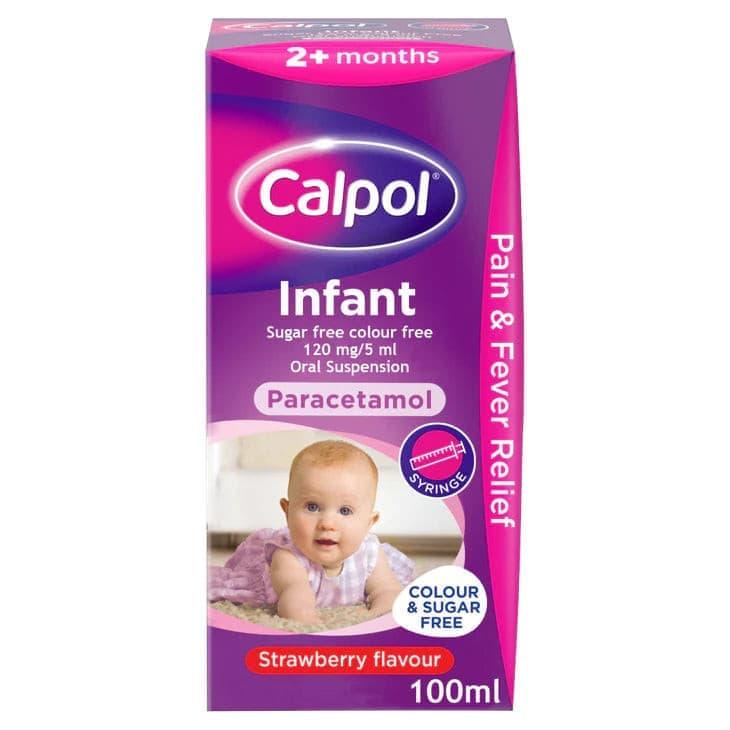
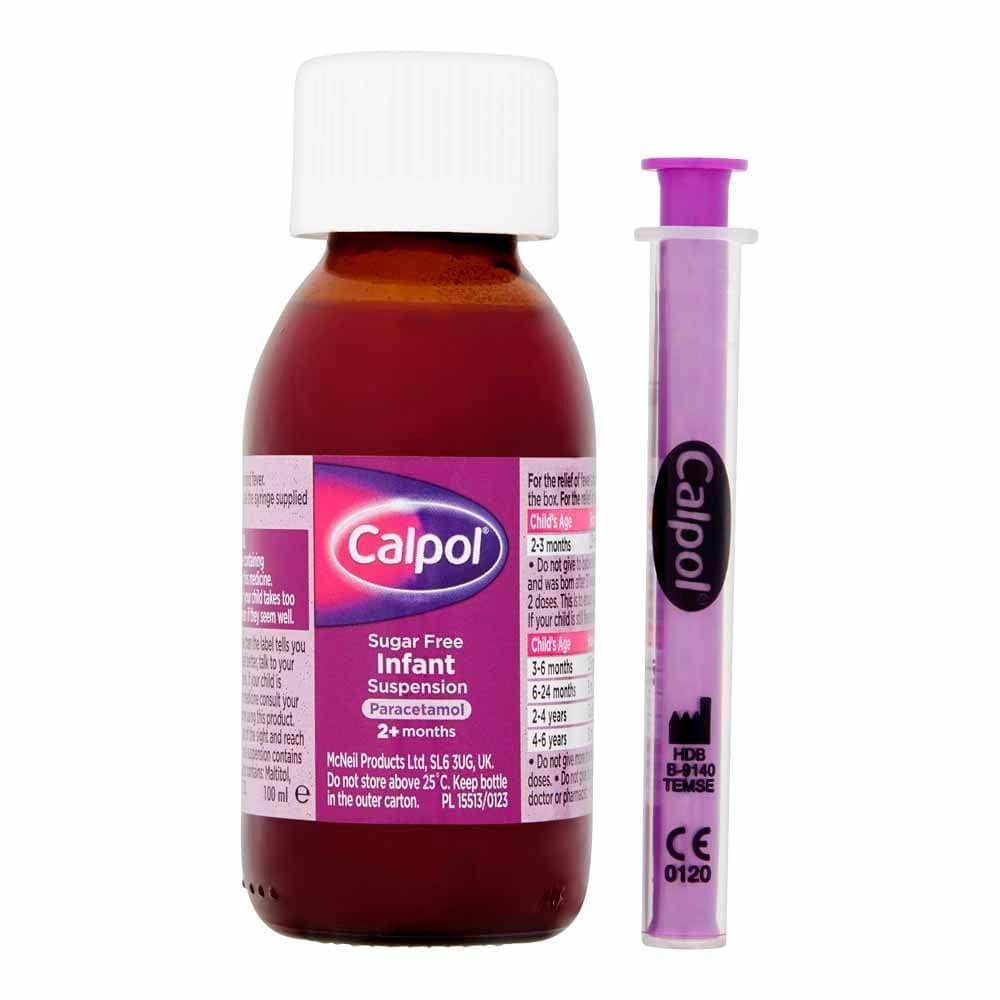
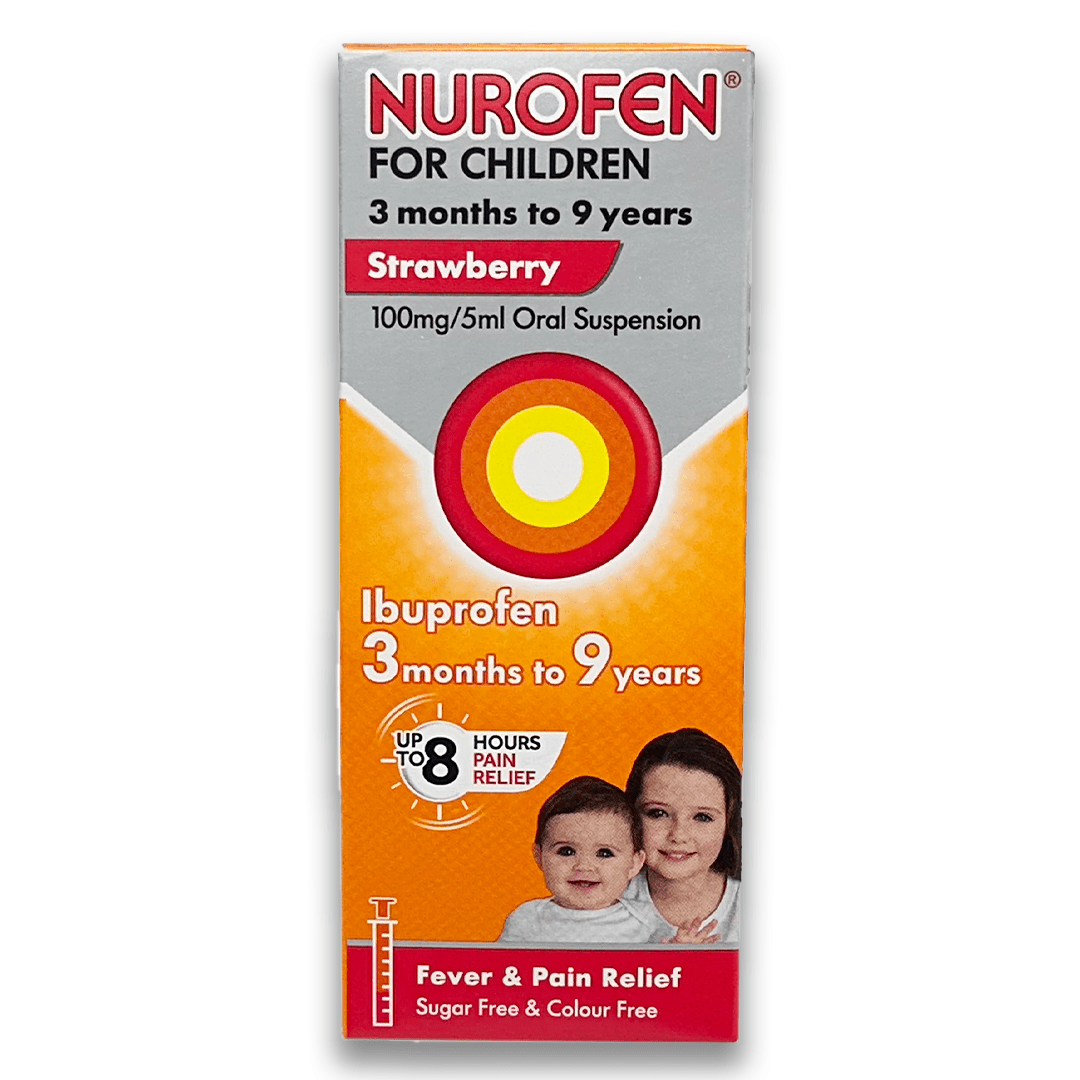
Our Children's Pain Relief collection offers a range of safe and effective solutions to help manage pain, from fevers and minor injuries to post-procedure discomfort. Explore our products designed to provide gentle relief and support your child’s recovery with care.

Start your consultation

TAKES APPROXIMATELY 2 MINS TO COMPLETE.

About Children's Pain relief

Everything you need to know, from causes to treatment options.

Understanding the causes of pain in children is crucial for effective management. Common causes of pain in children include:
Injuries: Falls, bumps, cuts, and sports-related injuries can lead to pain.
Illness: Conditions like ear infections, sore throats, or gastrointestinal issues can cause discomfort.
Medical Procedures: Invasive medical procedures, such as vaccinations or surgeries, may result in pain.
Chronic Conditions: Children with chronic conditions like arthritis may experience ongoing pain.
Teething: Infants and toddlers often experience pain and discomfort when their first teeth erupt.

Diagnosing pain in children can be challenging since they may have difficulty expressing their discomfort, especially at a young age. Caregivers and healthcare professionals must rely on observable signs, such as:
Crying or Irritability: Infants and young children may cry, fuss, or become more irritable when in pain.
Changes in Behavior: Older children may exhibit changes in their behavior, such as withdrawal or increased restlessness.
Verbal Communication: Older children may be able to communicate the location and intensity of their pain.
Vital Signs: Healthcare providers may monitor vital signs, such as increased heart rate or blood pressure, which can indicate pain.

Managing pain in children often involves a combination of non-pharmacological and pharmacological approaches, depending on the underlying cause and severity of pain.
1. Non-Pharmacological Approaches:
Distraction: Engaging children in activities or games can divert their attention from pain.
Relaxation Techniques: Deep breathing exercises and relaxation routines can help alleviate discomfort.
Heat or Cold Therapy: Applying a warm or cold pack to the affected area can provide relief.
Massage: Gentle massage can relax muscles and reduce pain.
2. Pharmacological Approaches:
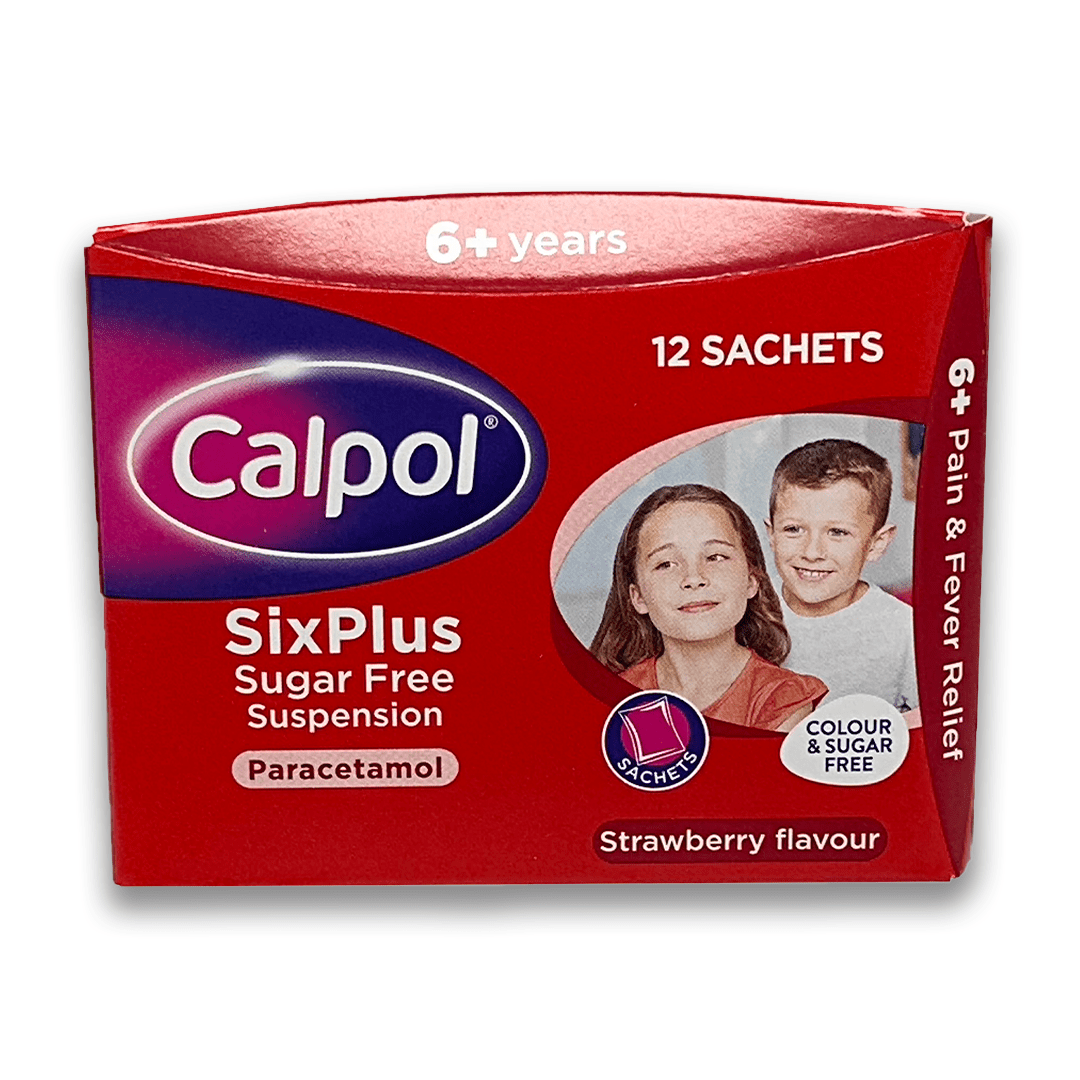
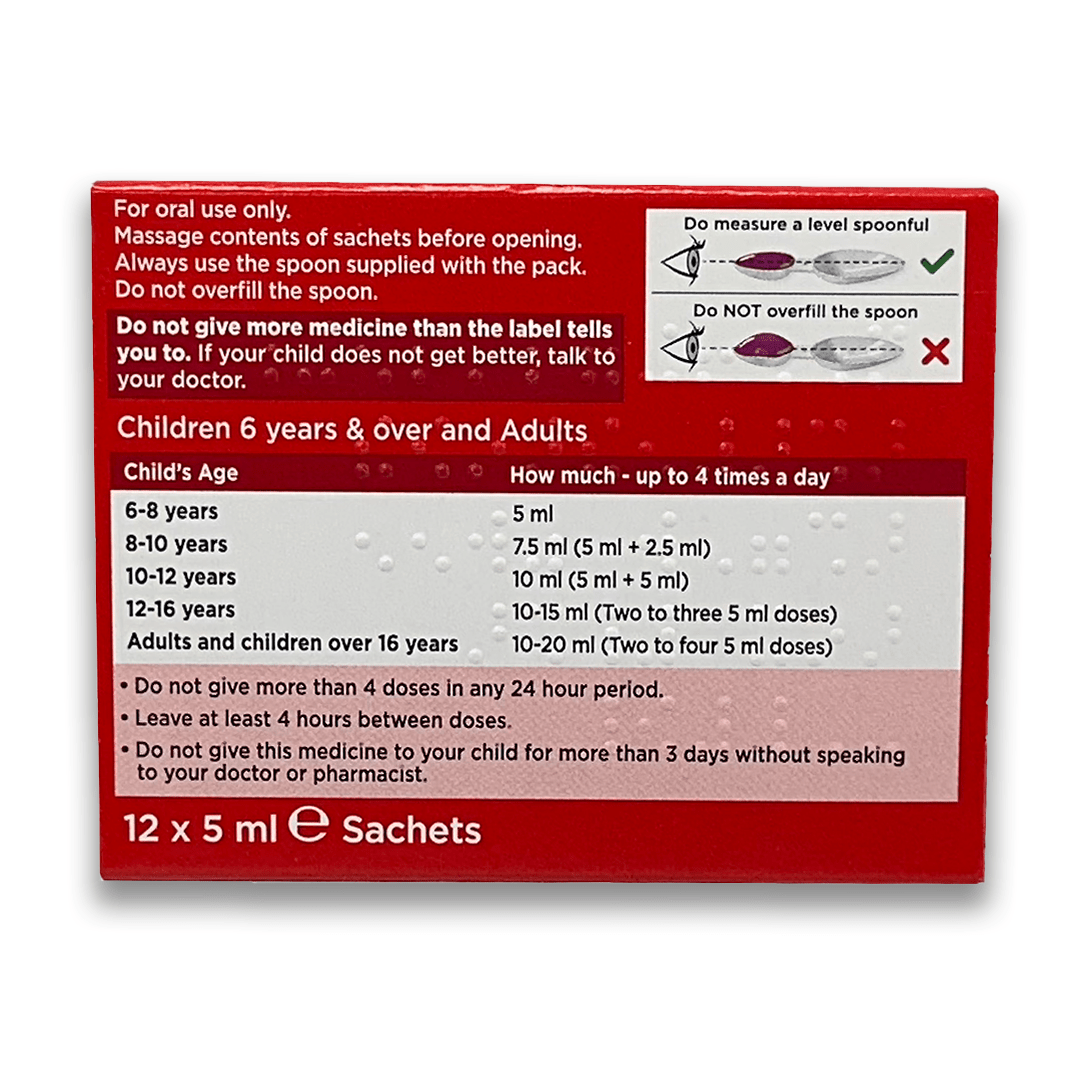
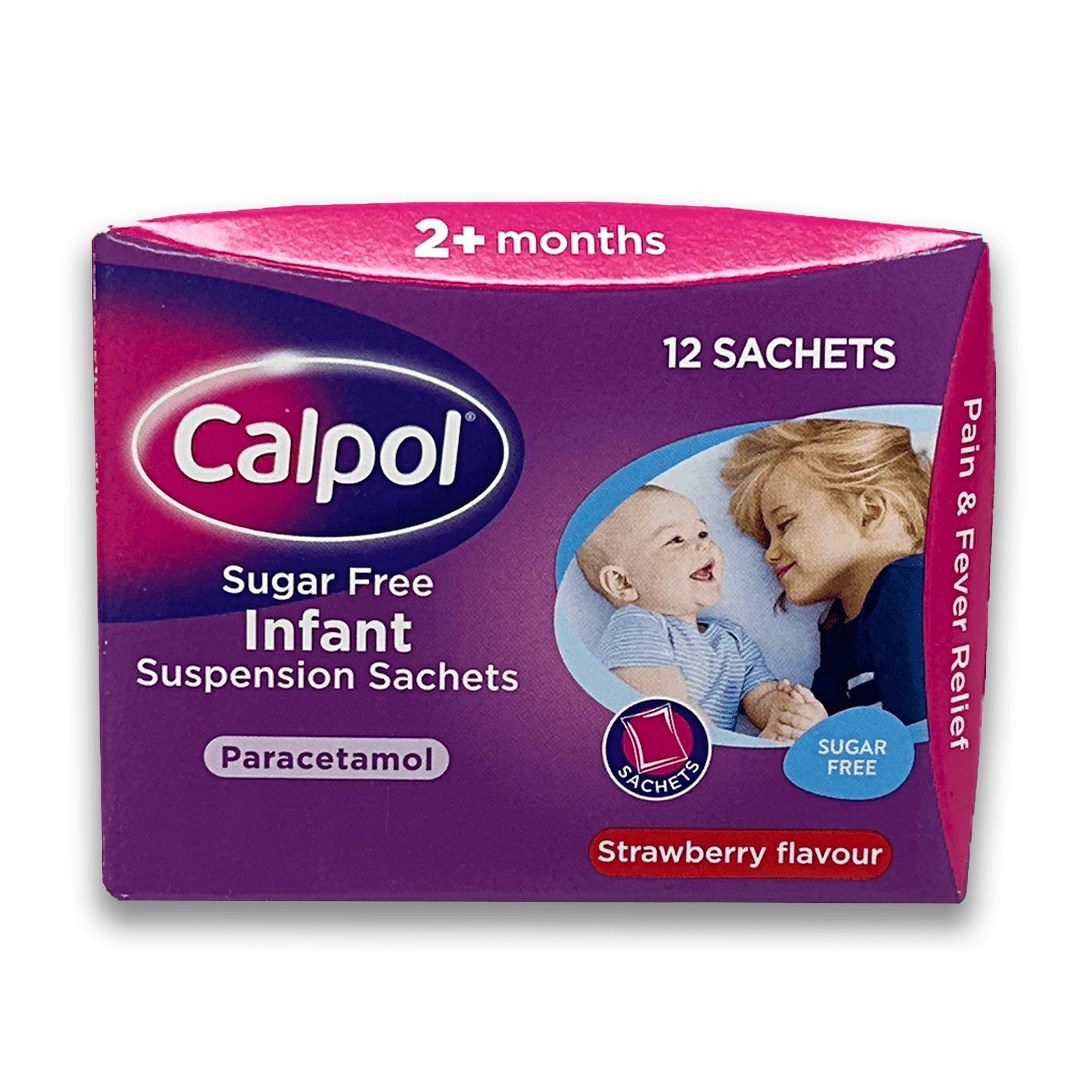
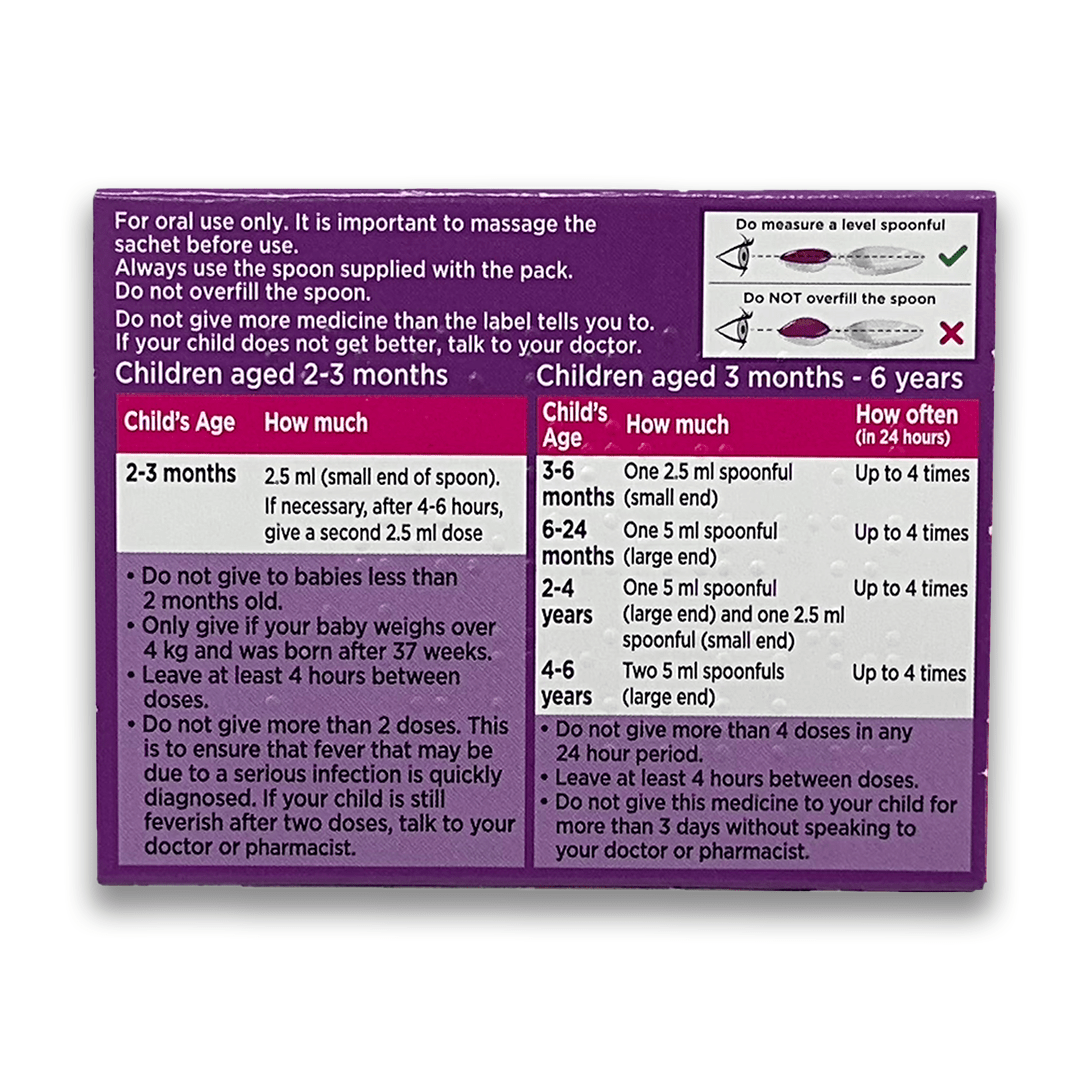
Acetaminophen (Paracetamol): This over-the-counter medication is commonly used to relieve pain and reduce fever in children.
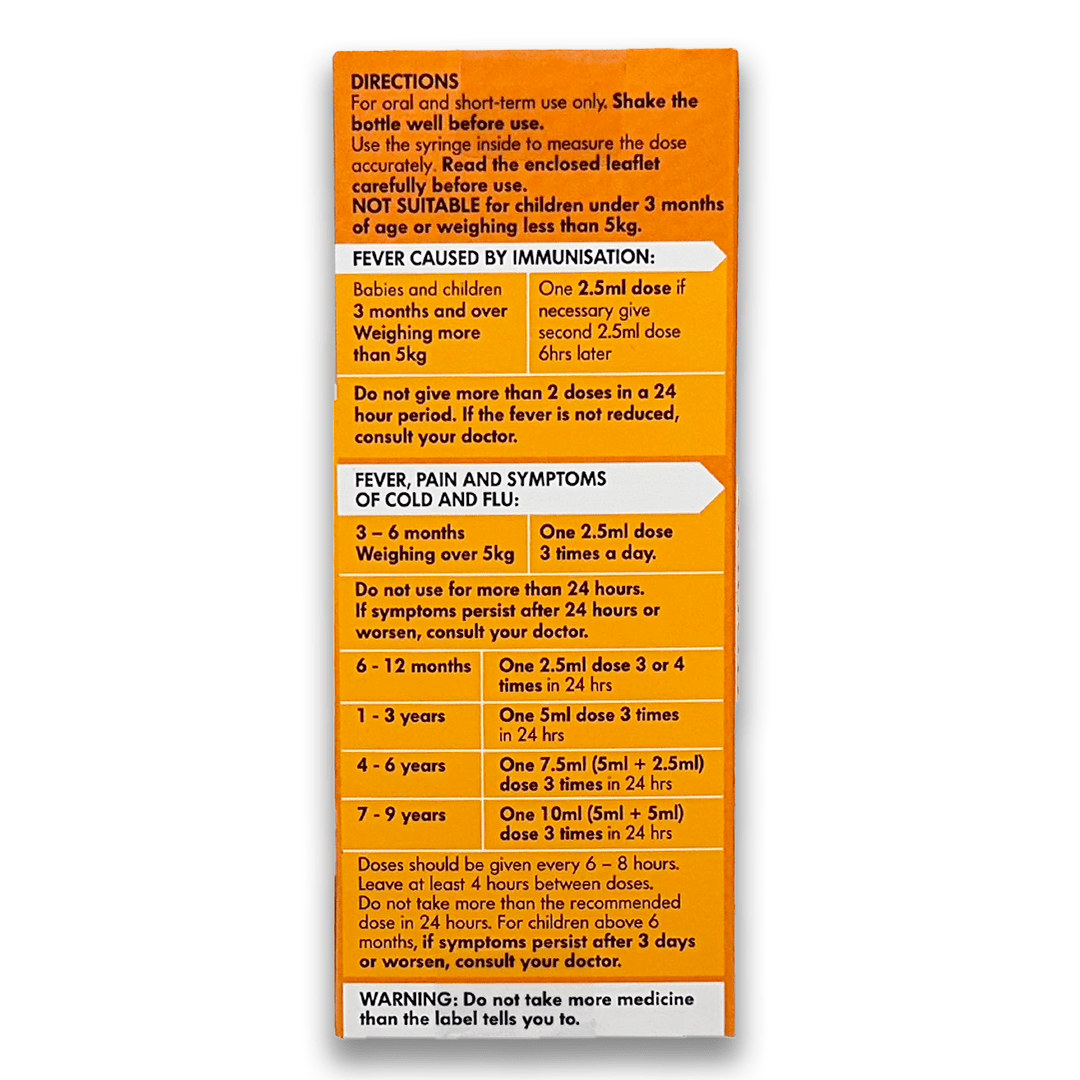
Ibuprofen: Another over-the-counter option, ibuprofen can help reduce pain and inflammation.
Prescription Medications: In some cases, healthcare providers may prescribe stronger pain medications for severe pain.
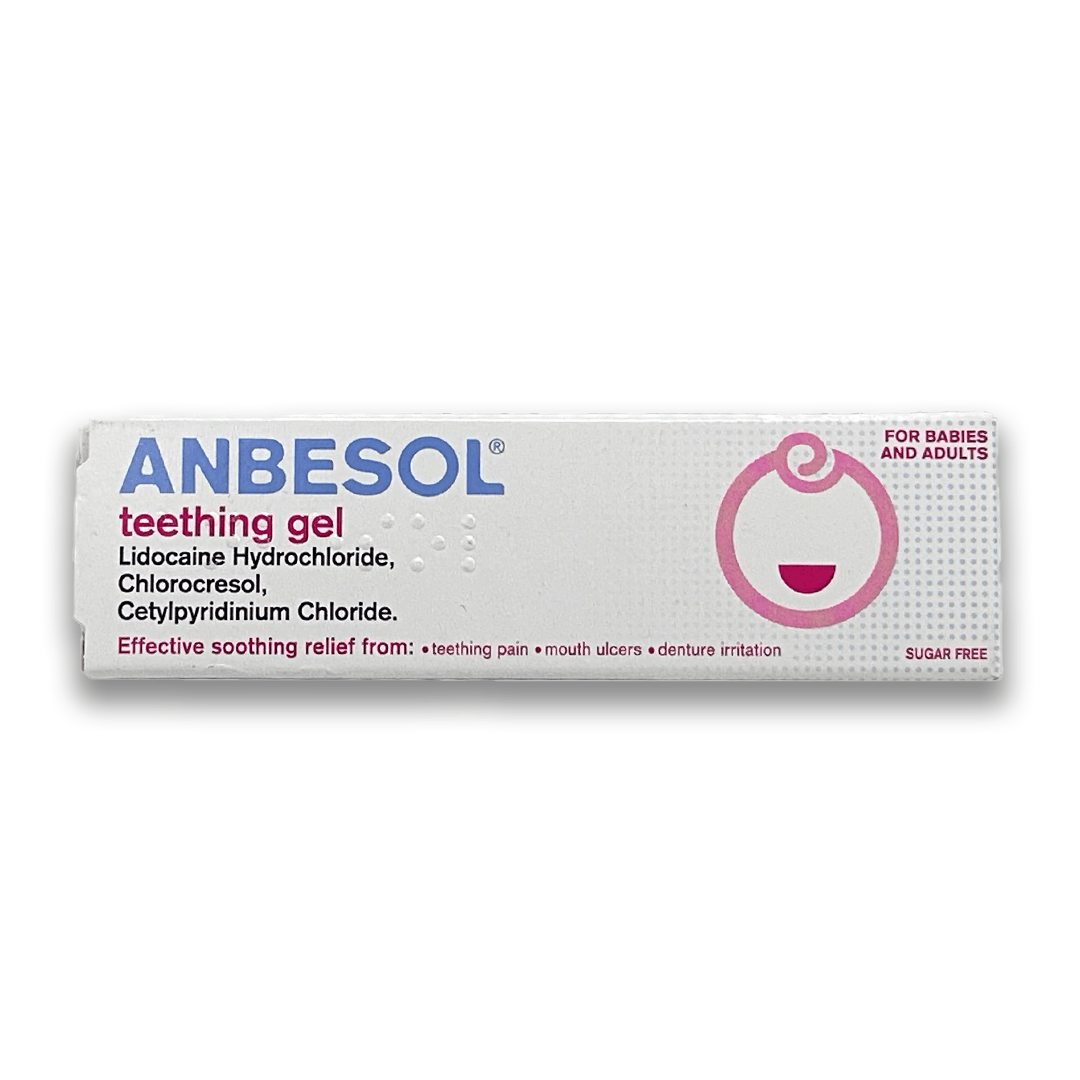
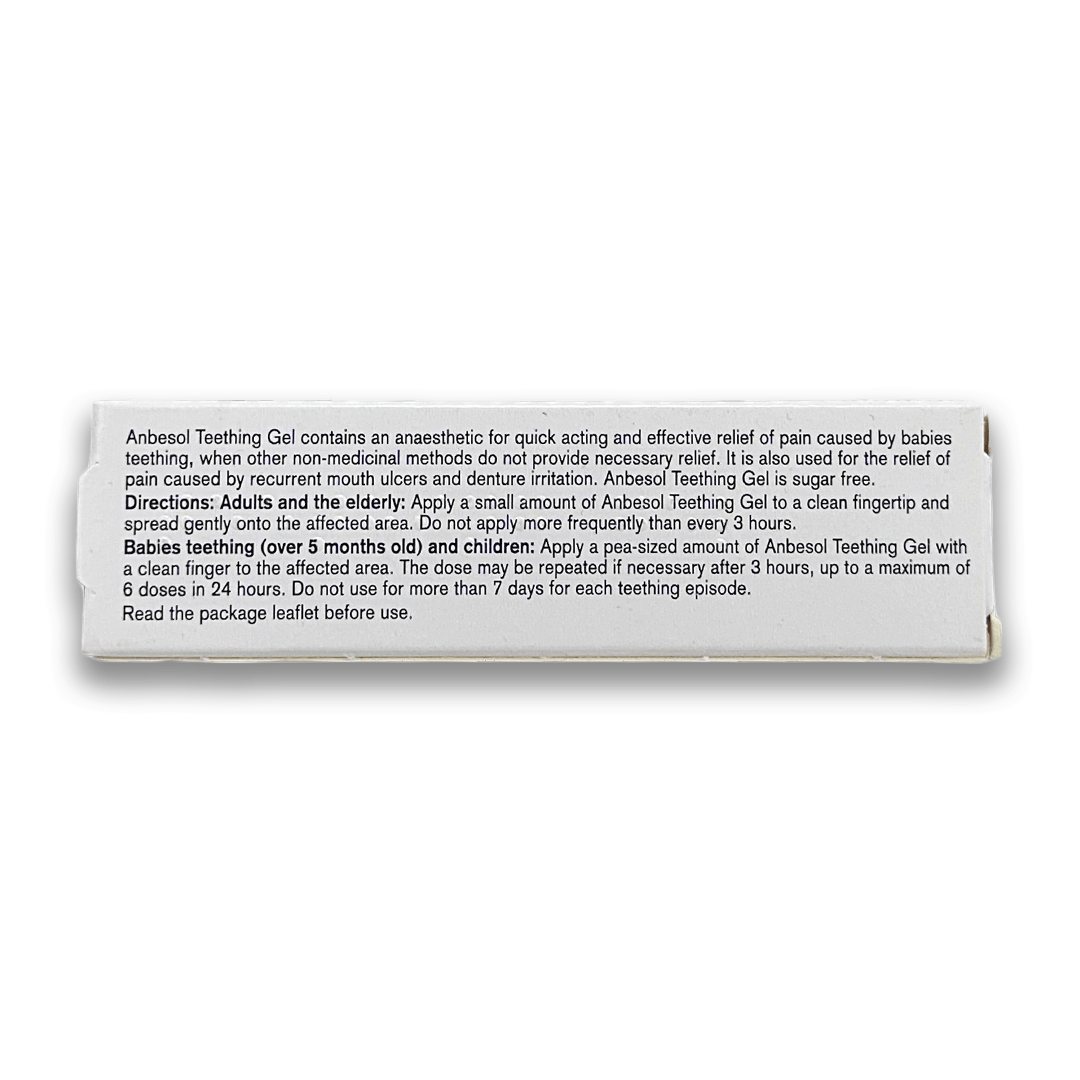
Topical Analgesics: Creams or ointments containing local anesthetics can be applied to the skin to numb the area and relieve pain.
Opioid Medications: These are used in very specific cases and under strict medical supervision for severe pain.

Preventing pain in children involves addressing the root causes and taking measures to reduce the risk of pain. Here are some preventive strategies:
Safety Measures: Implement safety precautions to reduce the risk of accidents and injuries at home, in the car, and during physical activities.
Vaccinations: Ensure that your child receives recommended vaccinations to prevent illnesses that can lead to pain.
Oral Health: Maintain good oral hygiene to reduce the discomfort associated with dental issues.
Healthy Lifestyle: Encourage a healthy lifestyle that includes a balanced diet, regular exercise, and adequate sleep to support overall well-being.
Regular Check-ups: Schedule regular check-ups with a pediatrician to identify and address health concerns early.

Read more about Children's Pain relief on the NHS website, following the link below:

https://www.nhs.uk/medicines/paracetamol-for-children/

FAQs

Can I give my child both acetaminophen (paracetamol) and ibuprofen at the same time for pain relief?

It's generally not recommended to give both acetaminophen and ibuprofen simultaneously unless advised by a healthcare professional. Using one medication at a time, as directed, is typically sufficient for managing your child's pain. Combining them can increase the risk of side effects and should only be done under medical supervision.

Are there any natural or alternative therapies for pain relief in children?

Yes, some natural or alternative therapies can complement traditional pain relief methods. These may include aromatherapy, massage, acupuncture, or relaxation techniques. However, it's essential to consult with a healthcare provider before using alternative therapies, especially in young children, to ensure safety and effectiveness.

When should I seek medical attention for my child's pain?

You should seek medical attention for your child's pain if:
The pain is severe and persistent.
Your child experiences high fever along with pain.
The pain is associated with injury, such as a fall or impact.
There are signs of infection, like redness, warmth, or discharge at the site of pain.
Your child has a medical condition or is taking medications, and the pain is a new or unusual symptom.
It's always better to consult a healthcare professional for a proper evaluation in these situations.

Can over-the-counter pain relievers cause side effects in children?

Yes, over-the-counter pain relievers like acetaminophen and ibuprofen can have side effects, although they are generally considered safe when used as directed. Side effects may include gastrointestinal discomfort, allergic reactions, or liver issues (in the case of acetaminophen). It's crucial to follow dosing instructions and consult with a healthcare provider if you have any concerns about potential side effects.

We are here to help!

For assistance, please contact our customer service at info@rightangled.com. We are available Monday to Friday from 8 am to 5 pm. For urgent issues, please do not use this email. Instead, call 111, or dial 999 in case of an emergency.

Can't find the treatment you're looking for?

Drop us a message and our team will do their best to source it for you.