
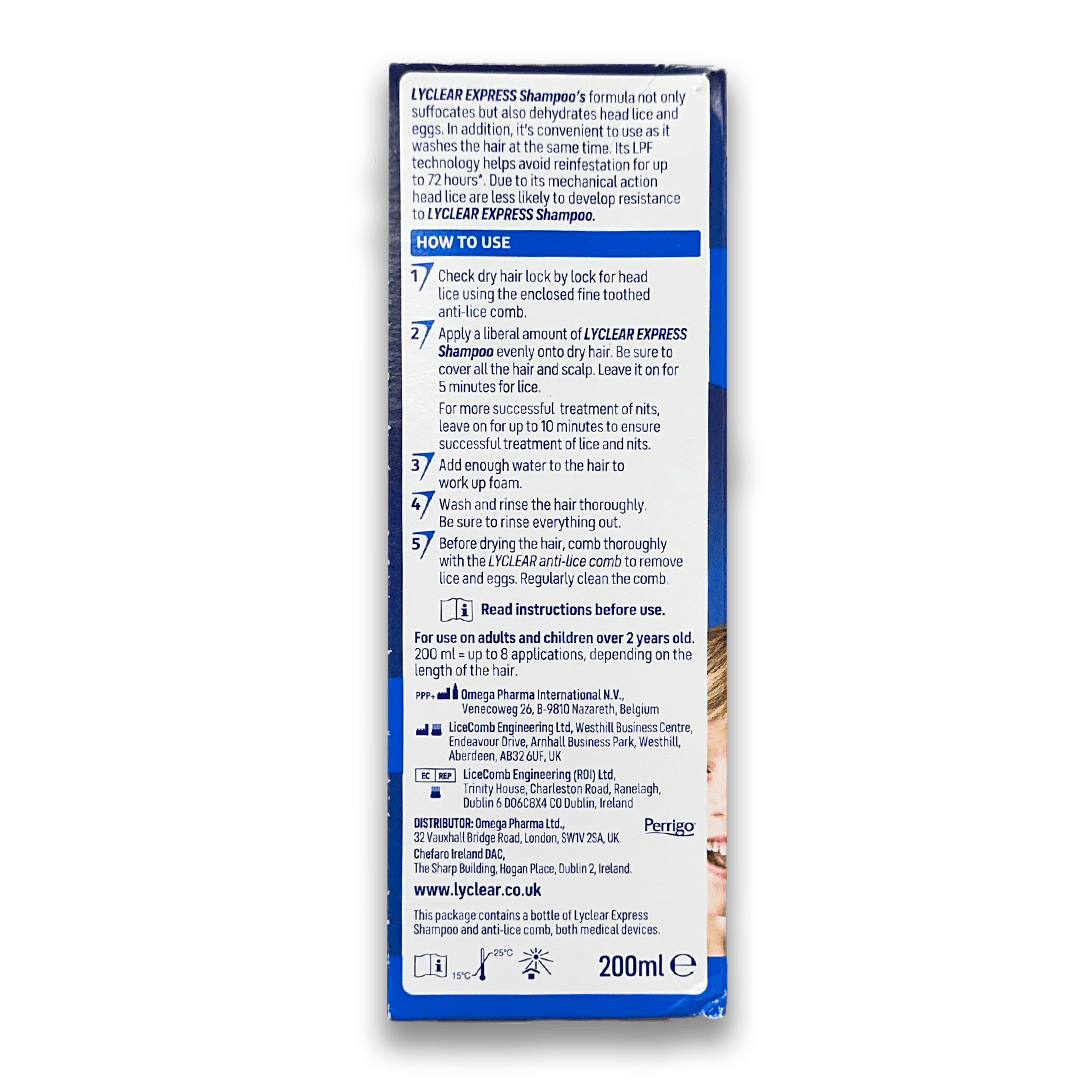
Hair Lice - Rightangled

What is Hair Lice?

Head lice, or Pediculus humanus capitis, are tiny, wingless insects that infest the scalp and hair, feeding on small amounts of blood and often causing itching and discomfort. These parasites are most commonly found in children and spread easily through direct head-to-head contact, making them especially prevalent among school-aged kids, though they can affect people of any age.

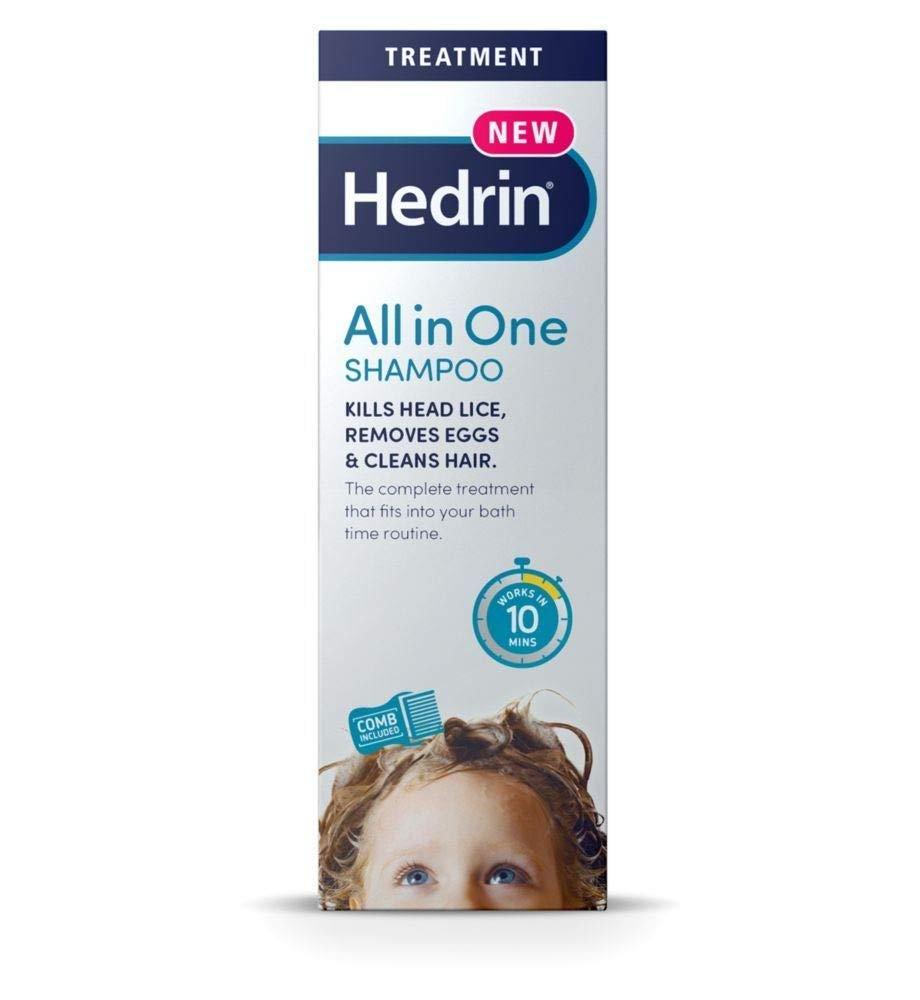
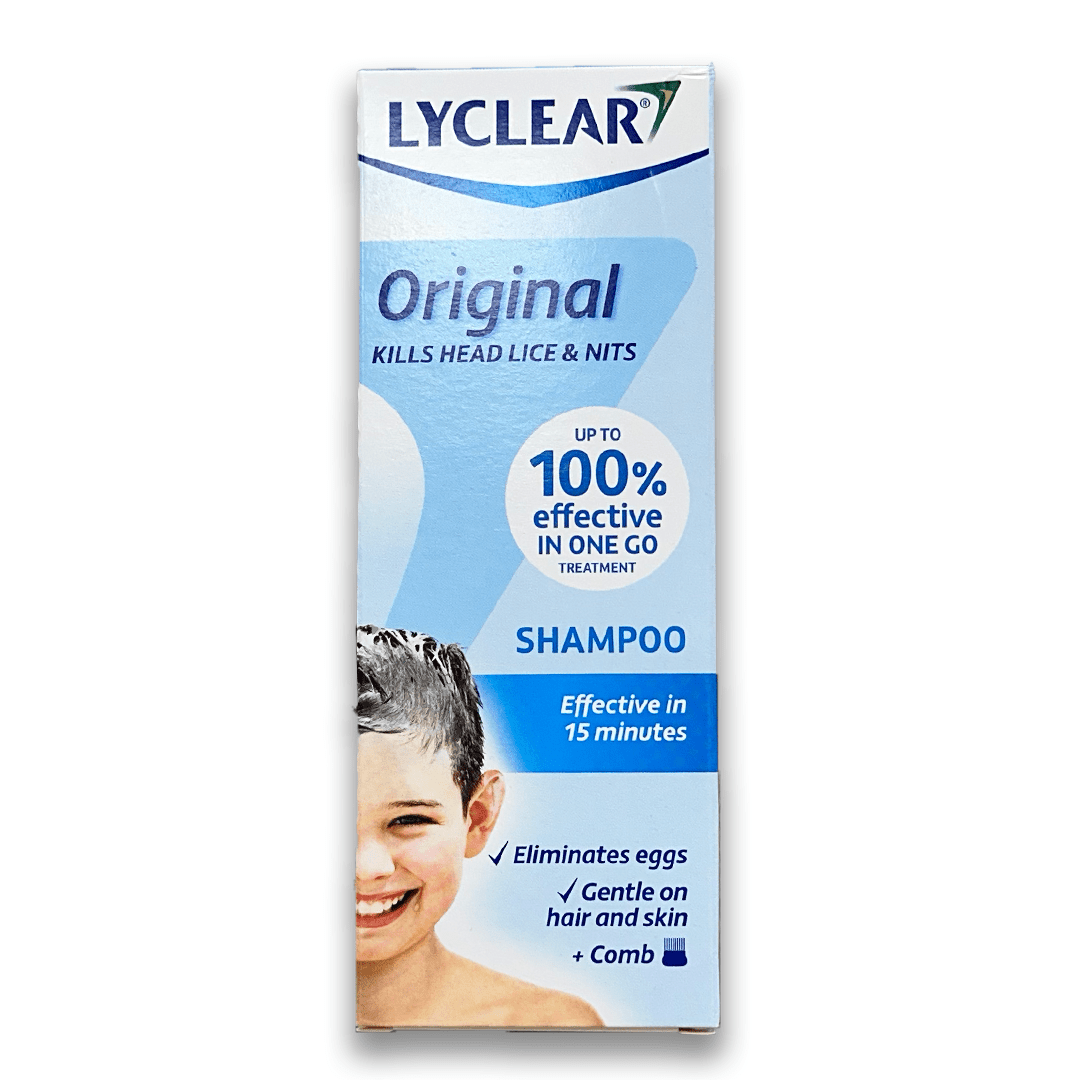
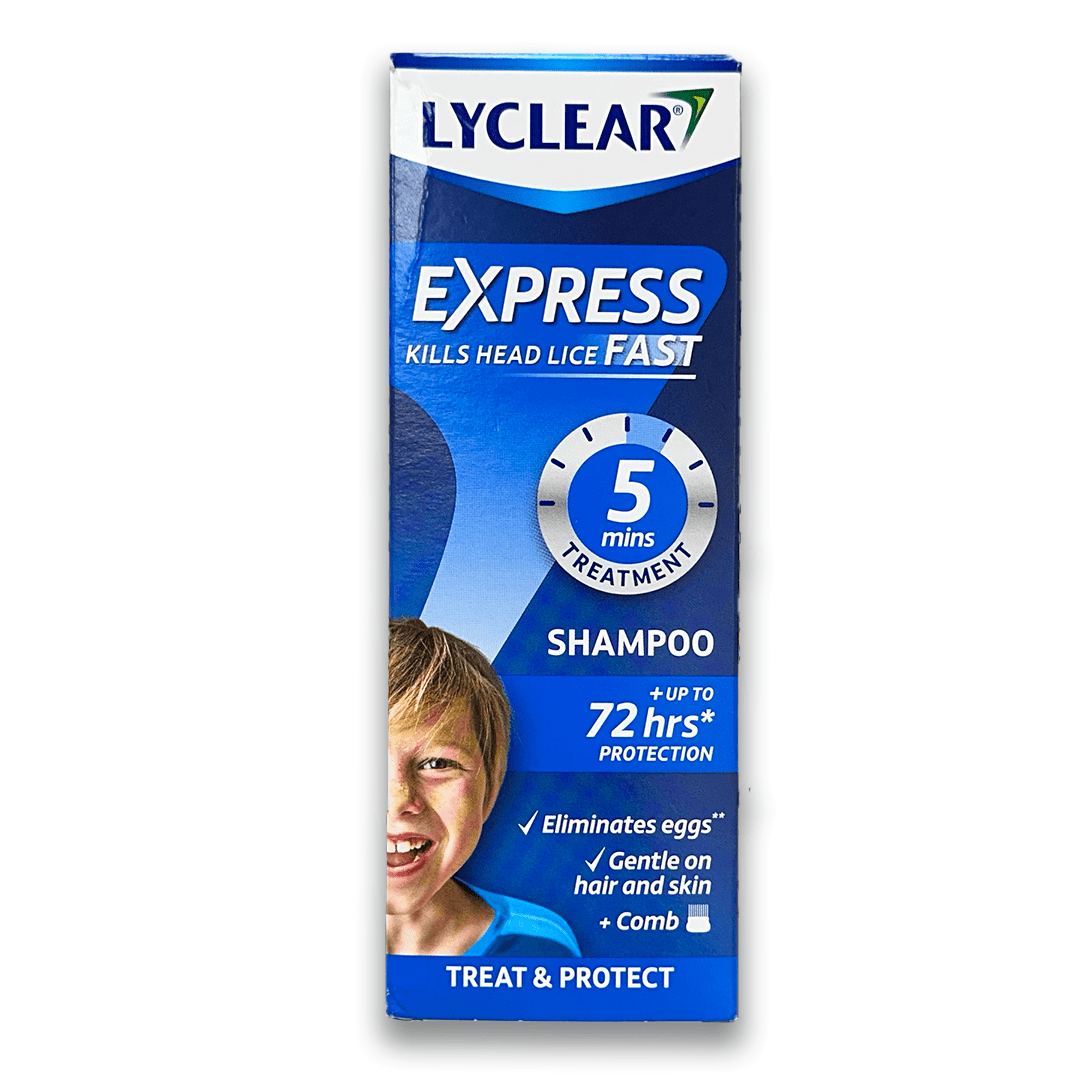
Our range of head lice treatments is here to help you tackle infestations effectively and with ease, offering solutions that bring comfort and peace of mind to you and your family.

Start your consultation

TAKES APPROXIMATELY 2 MINS TO COMPLETE.

HOW IT WORKS

3 MIN ONLINE ASSESSMENT

CLINICIAN REVIEWS YOUR CASE

PRESCRIPTION + NEXT DAY DELIVERY

About Hair Lice

Everything you need to know, from causes to treatment options.

Understanding the Causes of Head Lice Infestations
Head lice infestations are typically caused by the transmission of lice from one person to another through direct head-to-head contact. This is why schools and childcare facilities often see outbreaks. Lice do not jump or fly; they crawl from one head to another.
Key points to note:
Human Parasites: Head lice are specific to humans and cannot be transmitted from animals.
Personal Hygiene: Lice infestations are not linked to poor hygiene or cleanliness. They affect individuals regardless of how clean their hair is.

Diagnosing Head Lice Infestations
Diagnosing head lice infestations is primarily based on visual inspection of the scalp and hair. Common signs that may indicate an infestation include:
Itching: Persistent itching, often behind the ears or at the nape of the neck, can be a telltale sign.
Visible Lice: Adult lice are tiny, about the size of a sesame seed, and can be seen crawling on the scalp or hair.
Nits (Lice Eggs): Nits are tiny, oval, and firmly attached to individual hair strands, close to the scalp. They are often mistaken for dandruff but are more difficult to remove.
It's important to note that the presence of nits does not always indicate an active infestation. A healthcare professional can provide a definitive diagnosis.

Managing Head Lice Infestations
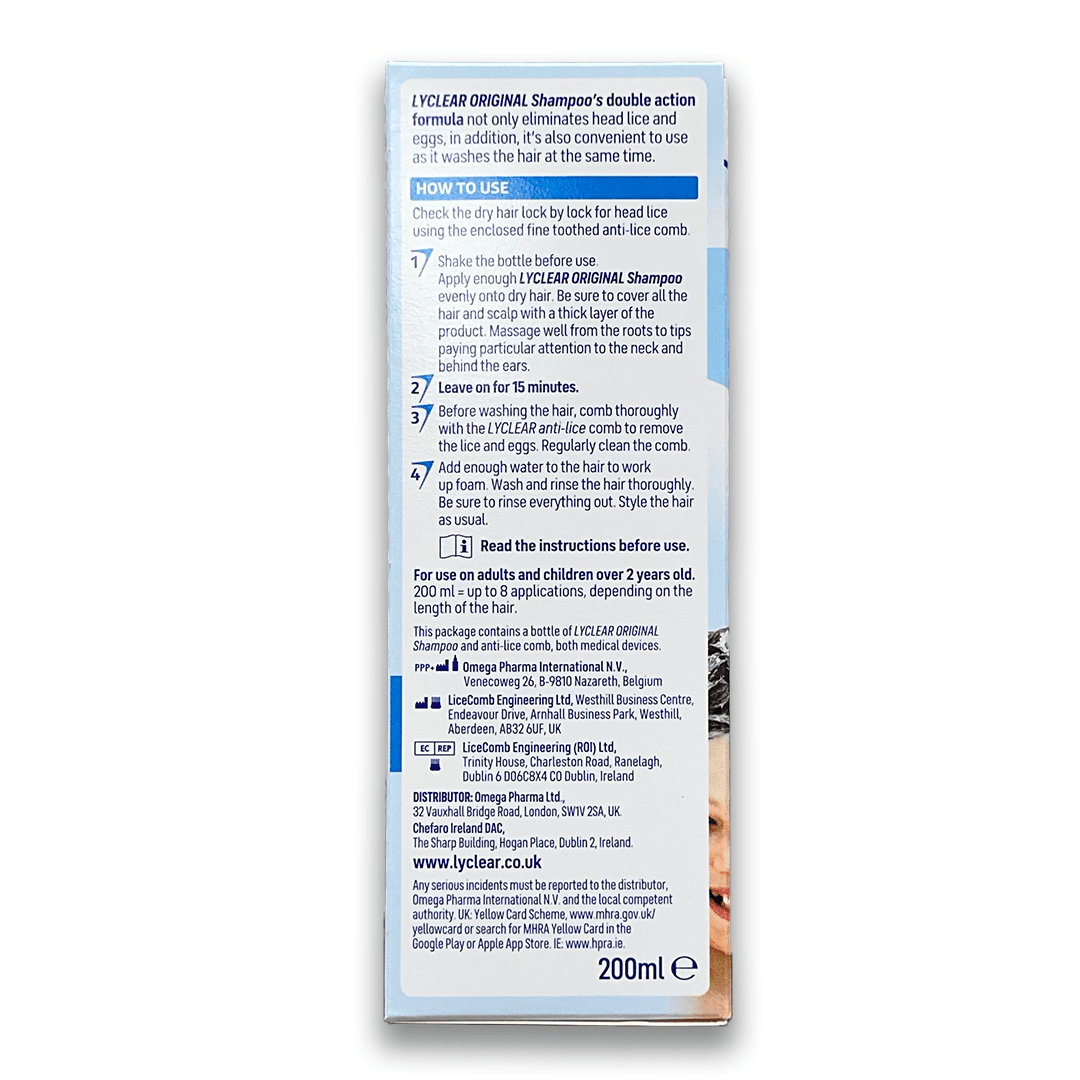
When an active head lice infestation is confirmed, prompt treatment is essential to prevent the infestation from spreading. Over-the-counter and prescription treatments are available. It is important to follow the treatment instructions carefully. Key treatment options include:
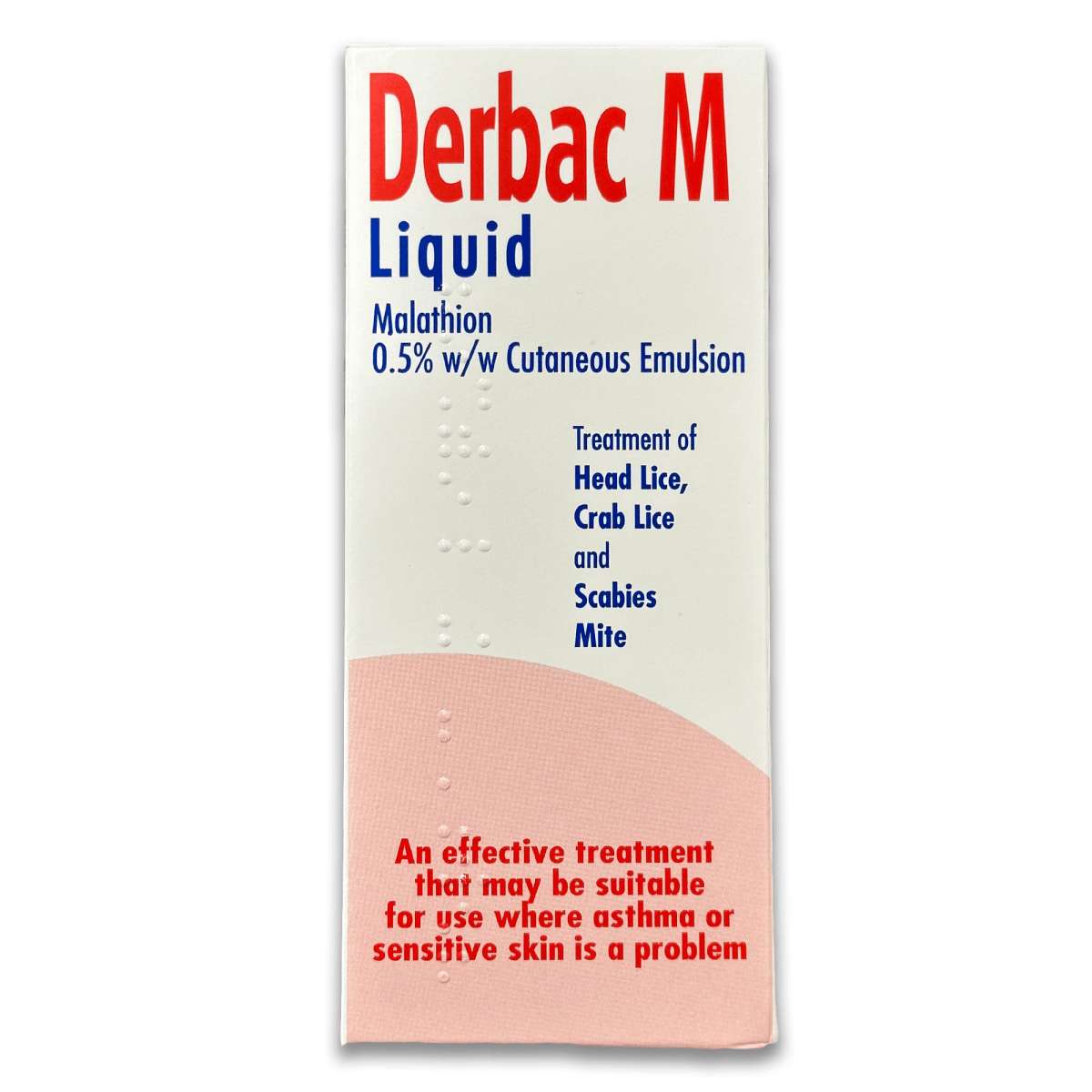
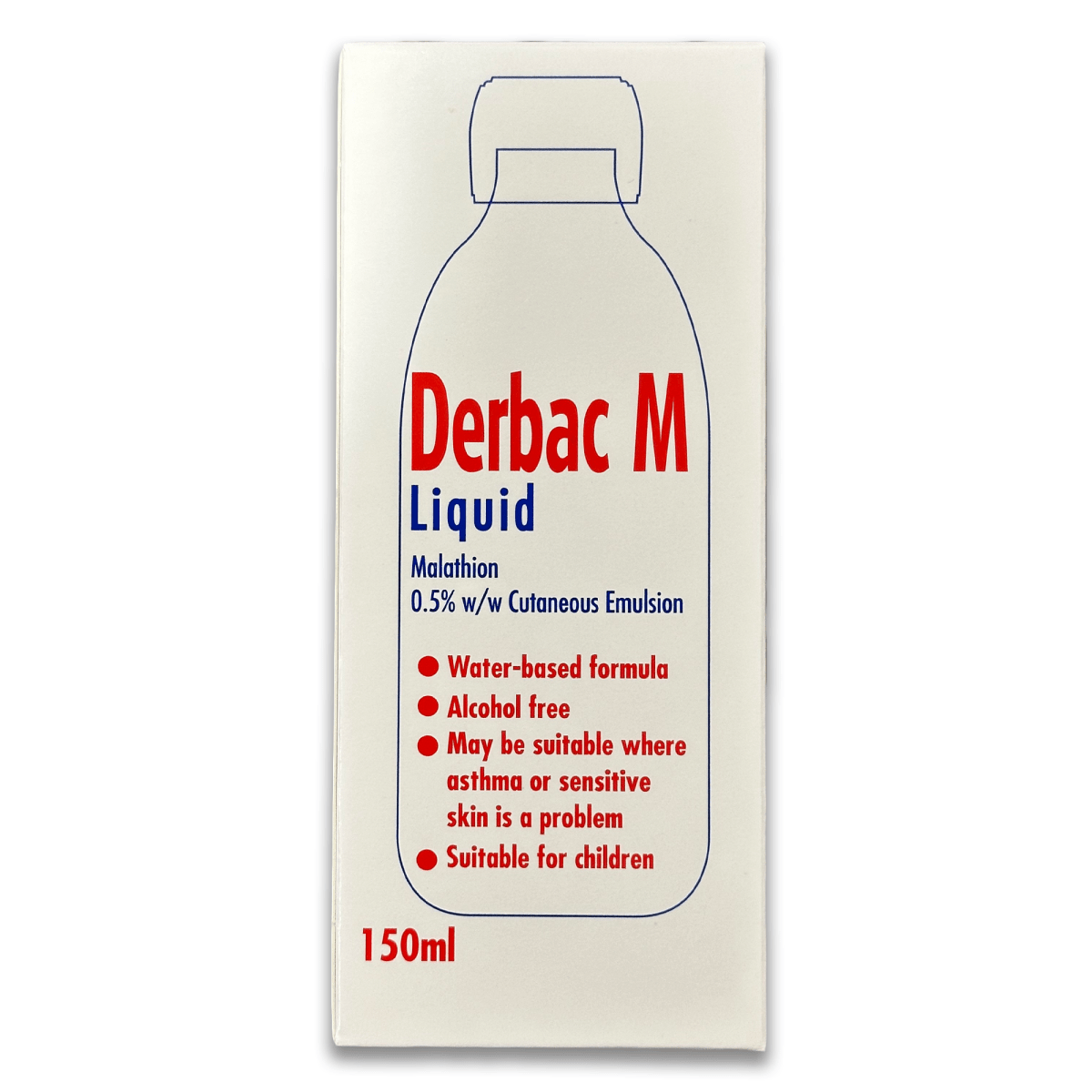
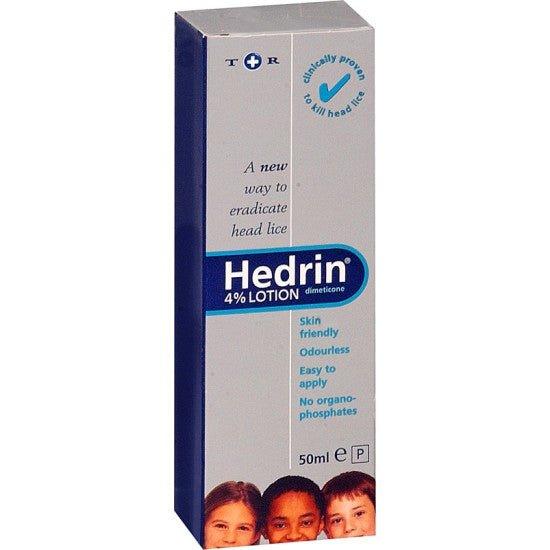
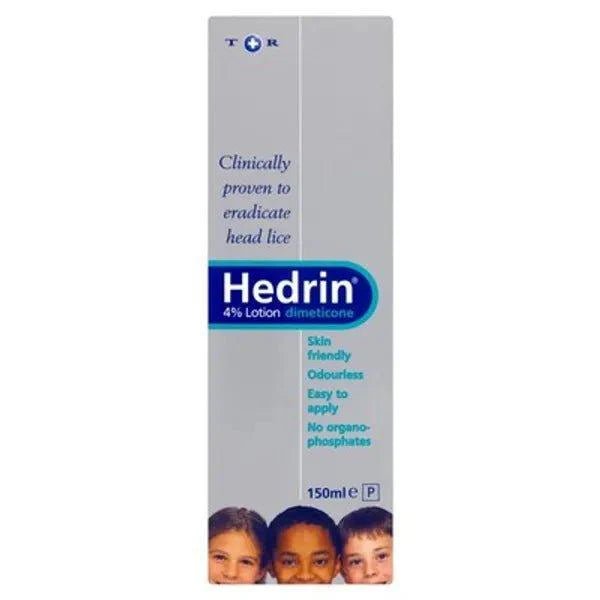
Over-the-Counter (OTC) Treatments: OTC products containing pediculicides are available at most pharmacies. These products kill lice and nits. Follow the instructions on the product label.
Prescription Treatments: In cases of treatment-resistant lice, or for individuals with certain allergies or sensitivities, a healthcare professional may prescribe stronger treatments.
Combing: Fine-toothed combs, often provided with lice treatment kits, are used to physically remove lice and nits from the hair. Regular combing is essential for successful treatment.
Repeat Treatment: In some cases, a second treatment may be necessary to ensure all lice and nits are eliminated.
Environmental Cleaning: To prevent reinfestation, wash or dry-clean recently worn clothing and bedding, and vacuum upholstered furniture and rugs.
It is crucial to avoid using excessive amounts of lice treatments, as misuse can lead to resistance and potential side effects. Always follow the instructions and consult a healthcare professional if you have any concerns.

Preventing Head Lice Infestations
Preventing head lice infestations involves a combination of awareness and practical steps:
Educate Children: Teach children not to share hats, combs, brushes, or hair accessories, and to avoid head-to-head contact with others.
Regular Checking: Periodically check your child's scalp and hair for signs of lice or nits, especially during lice outbreaks in schools or social settings.
Avoid Head-to-Head Contact: Encourage children to avoid activities that involve close head-to-head contact during lice outbreaks.
Hair Care Products: Some hair care products, like gels and sprays, may deter lice from infesting. Use these as a preventive measure during outbreaks.
Storage and Cleaning: Store personal items like hats and scarves in individual compartments or bags and avoid sharing them. Clean and vacuum frequently during an outbreak.

Read more about Hair Lice on the NHS website, following the link below:

https://www.nhs.uk/conditions/head-lice-and-nits/

FAQs

Are head lice harmful, and can they transmit diseases?

Head lice themselves are not harmful in the sense that they don't carry or transmit diseases. However, their bites can cause itching and discomfort. Excessive scratching may lead to secondary skin infections. It's important to address head lice promptly to prevent these complications.

Can I prevent my child from getting head lice at school or daycare?

Preventing head lice at school or daycare can be challenging, but you can take some precautions. Educate your child about not sharing personal items like hats, combs, or hair accessories. Regularly check your child's hair, especially during lice outbreaks, and encourage teachers or caregivers to notify you if an outbreak occurs in their class.

Can adults get head lice, or is it mainly a childhood issue?

While head lice are more common in children, adults can get head lice as well. The infestation is not limited to any age group. Lice are transmitted through head-to-head contact, so adults who have close contact with infested individuals, such as parents, can also become infested.

Can natural remedies like mayonnaise or olive oil effectively treat head lice?

While some natural remedies like mayonnaise or olive oil may be touted as lice treatments, their effectiveness is not well-supported by scientific evidence. Over-the-counter or prescription treatments containing pediculicides are the most reliable options. Consult a healthcare professional for guidance on appropriate treatments for head lice.

We are here to help!

For assistance, please contact our customer service at info@rightangled.com. We are available Monday to Friday from 8 am to 5 pm. For urgent issues, please do not use this email. Instead, call 111, or dial 999 in case of an emergency.

Can't find the treatment you're looking for?

Drop us a message and our team will do their best to source it for you.