Fast and discreet delivery

Securely packed and tracked

Prescribed by registered doctors

Every treatment is clinically reviewed

Clinical treatments

Clear guidance at every step

Trusted by 500,000+ patients

Care designed around patients

Hay fever & Allergy relief - Rightangled

What is Hay fever & Allergy relief?

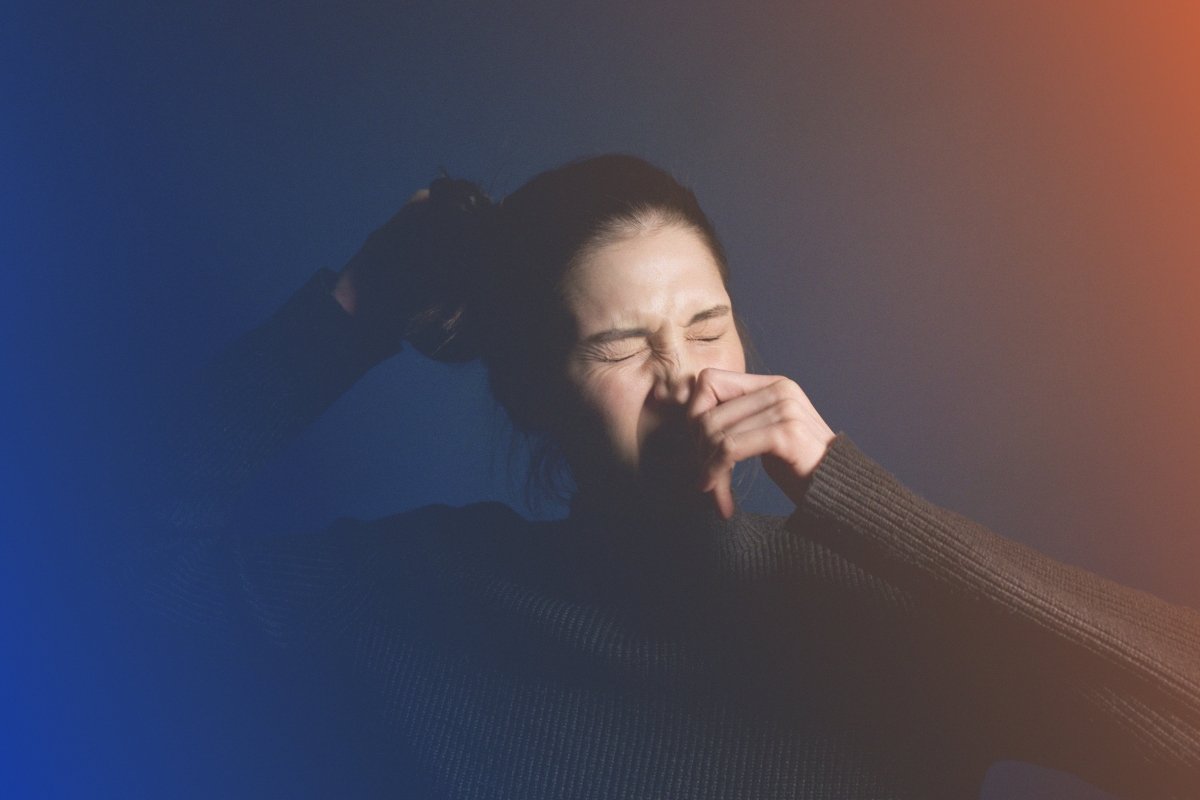
Hay fever is an allergic reaction that occurs when an adult's immune system responds to environmental allergens, typically pollen from trees, grasses, and weeds. These allergens can trigger symptoms such as sneezing, runny or stuffy nose, itchy or watery eyes, and sometimes coughing. While hay fever is often associated with seasonal pollen, allergies can affect individuals year-round, depending on their specific sensitivities.

Allergy relief products alleviate symptoms like sneezing, itching, runny nose, and watery eyes caused by allergens such as pollen, dust mites, and pet dander. These products include antihistamines, nasal sprays, eye drops, and decongestants, which reduce the body's reaction to allergens. Minimising exposure to allergens, keeping a clean environment, using air purifiers, and allergy relief products can significantly improve comfort and quality of life.

Start your consultation

TAKES APPROXIMATELY 2 MINS TO COMPLETE.

About Hay fever & Allergy relief

Everything you need to know, from causes to treatment options.

Hay fever is primarily caused by an overreaction of the immune system to allergens, particularly pollen from trees, grasses, and weeds. When these allergens are inhaled, the immune system releases histamines and other chemicals, resulting in the characteristic symptoms of hay fever. Other environmental factors, such as mold spores and pet dander, can also contribute to allergic reactions.

A healthcare professional can diagnose hay fever through a combination of medical history, physical examination, and allergy testing. During the medical history assessment, the patient's symptoms, their duration, and any seasonal patterns are evaluated. A physical examination may reveal classic signs of hay fever, such as red and watery eyes, nasal congestion, and postnasal drip.
Allergy testing is crucial for confirming the presence of hay fever and identifying specific allergens that trigger the symptoms. Skin prick tests and blood tests (specifically IgE tests) can help determine the allergens responsible for the allergic reaction. These tests involve exposing the skin to small amounts of various allergens and monitoring the body's immune response.

While there is no cure for hay fever, several treatment options are available to manage its symptoms effectively:

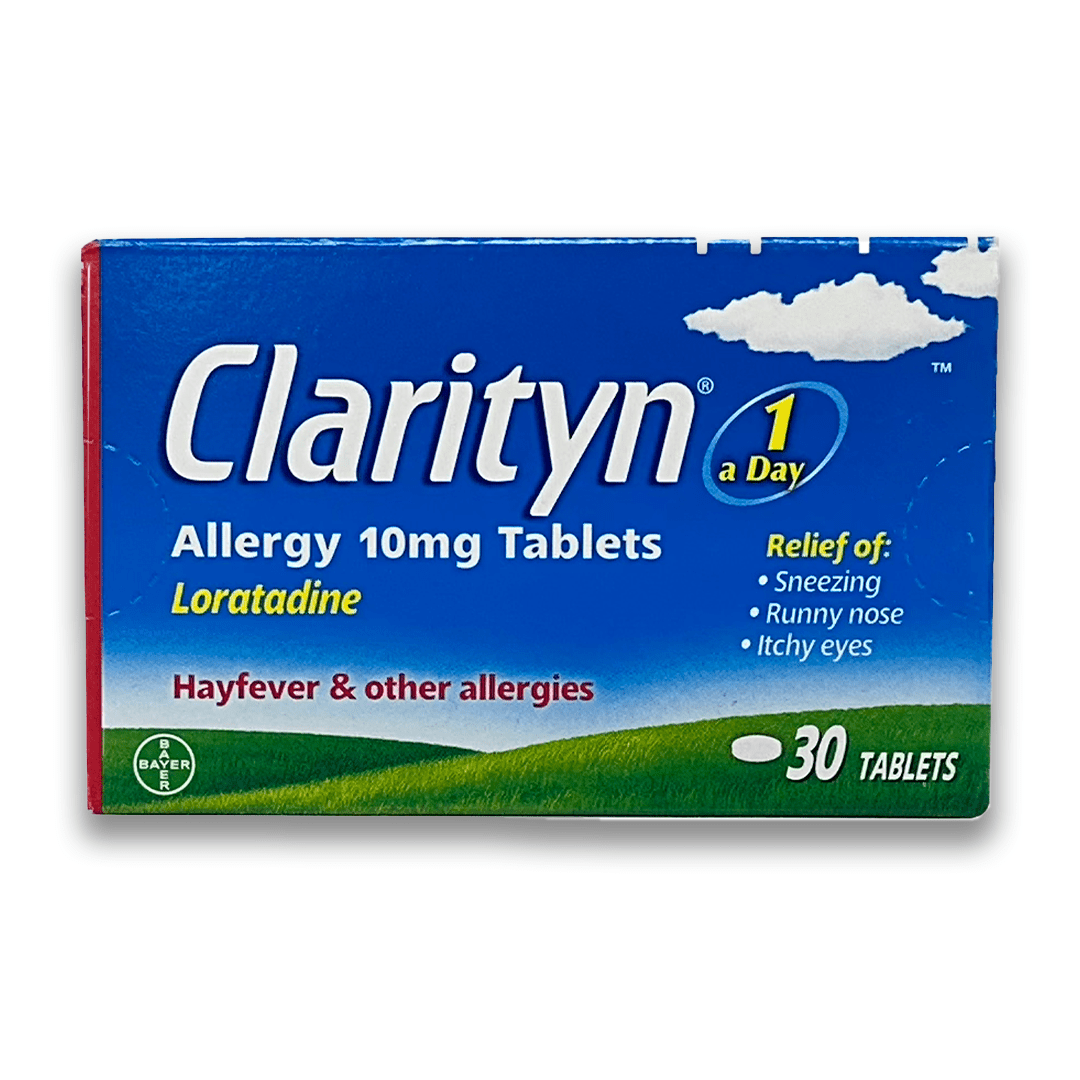
- Antihistamines: Over-the-counter or prescription antihistamines can help alleviate sneezing, itching, and a runny nose by blocking the effects of histamines released during an allergic reaction.

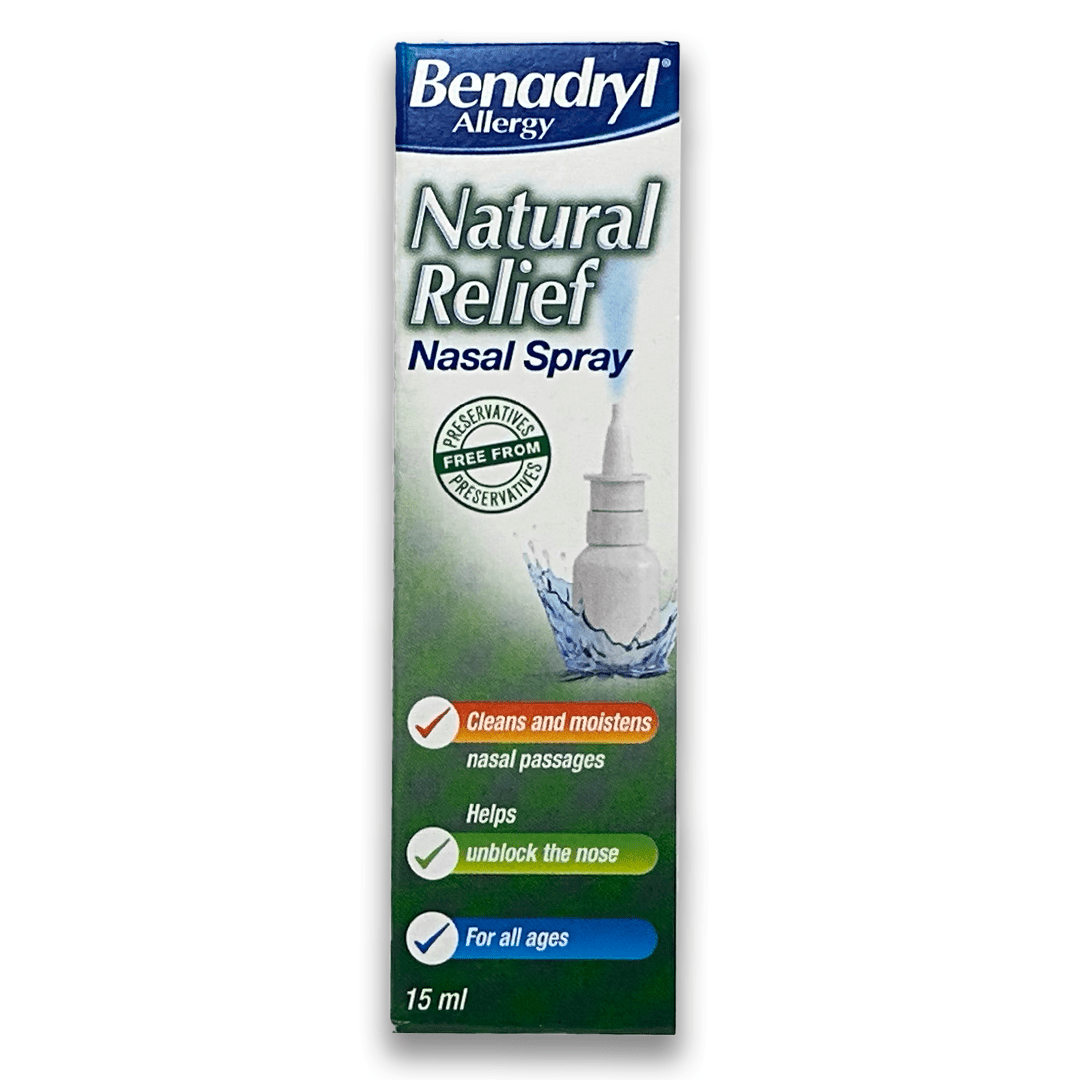
- Decongestants: Nasal decongestant sprays or oral decongestants can provide temporary relief from nasal congestion by constricting blood vessels in the nasal passages.

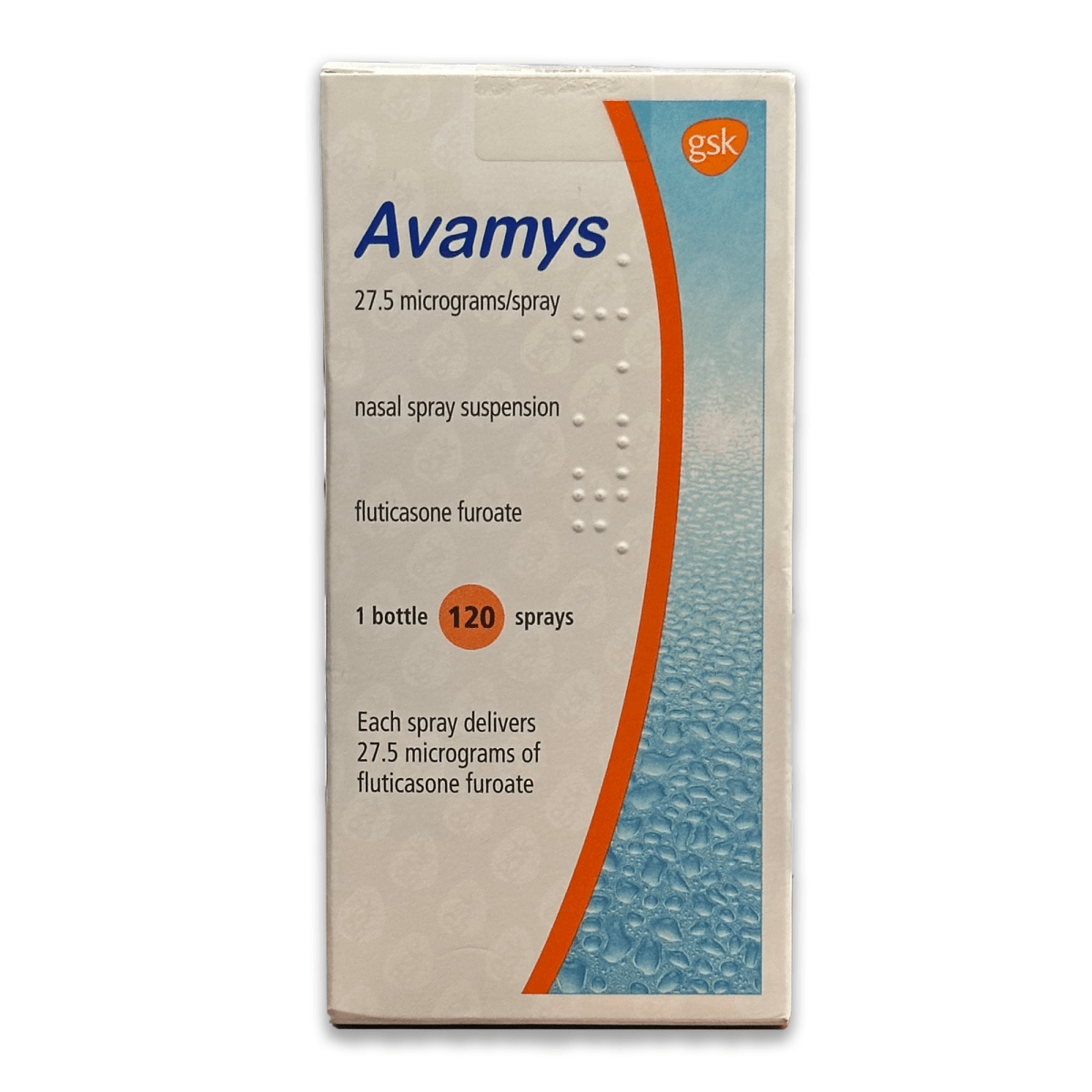
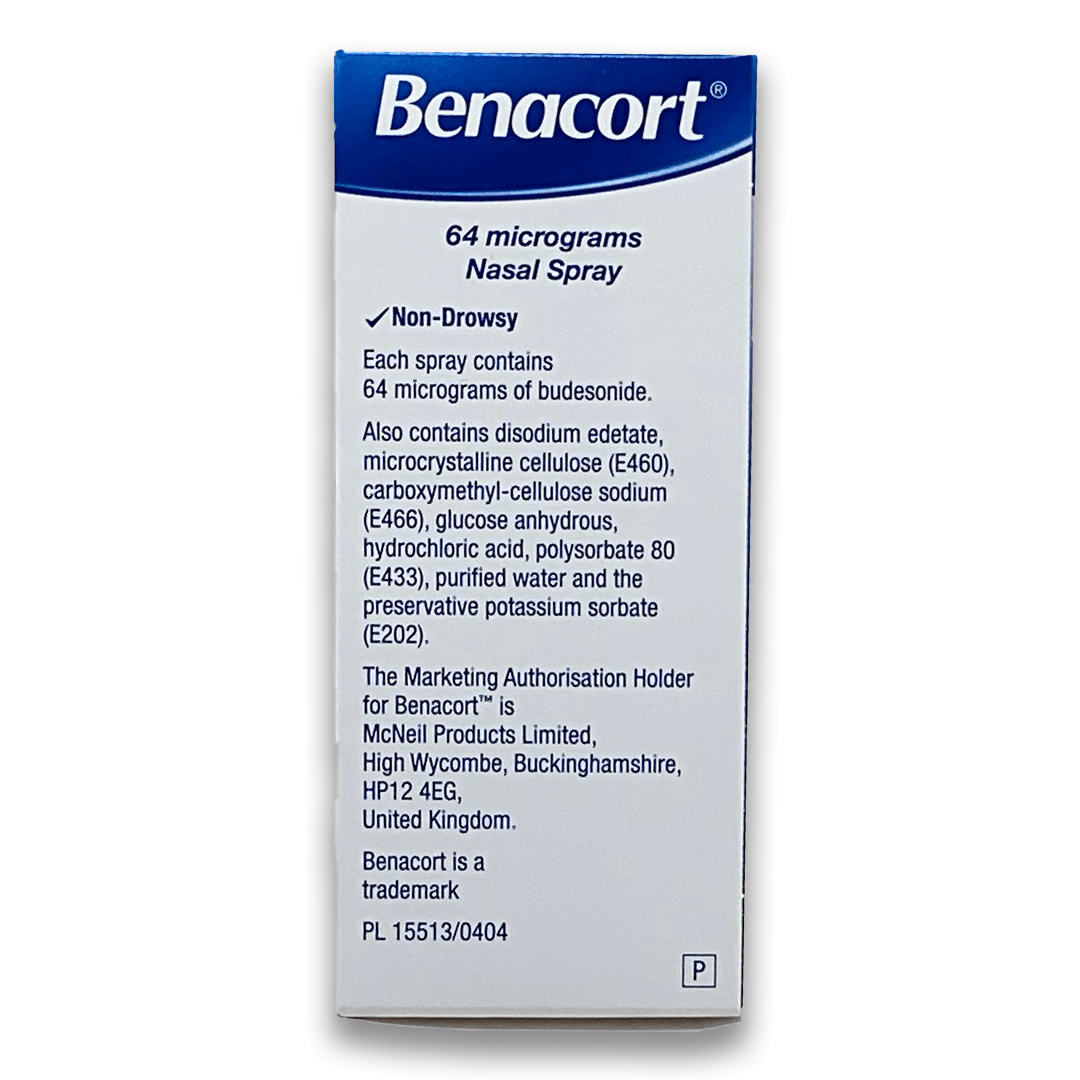
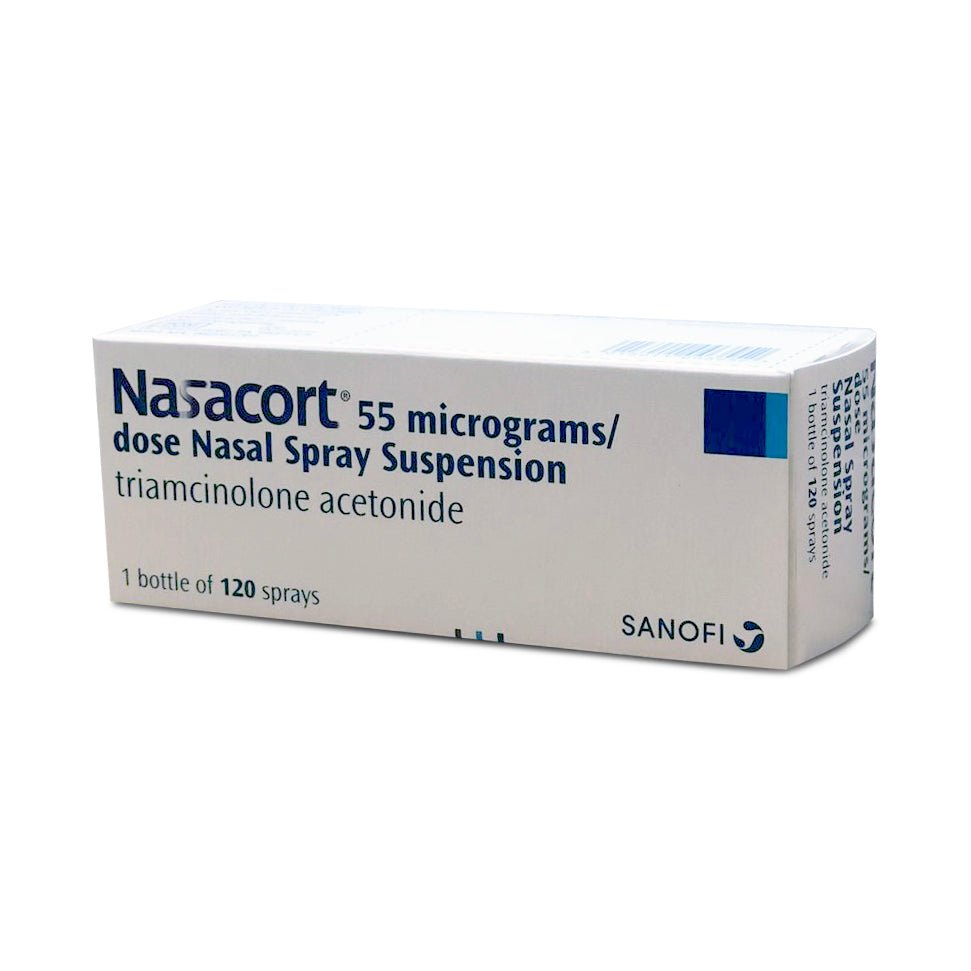
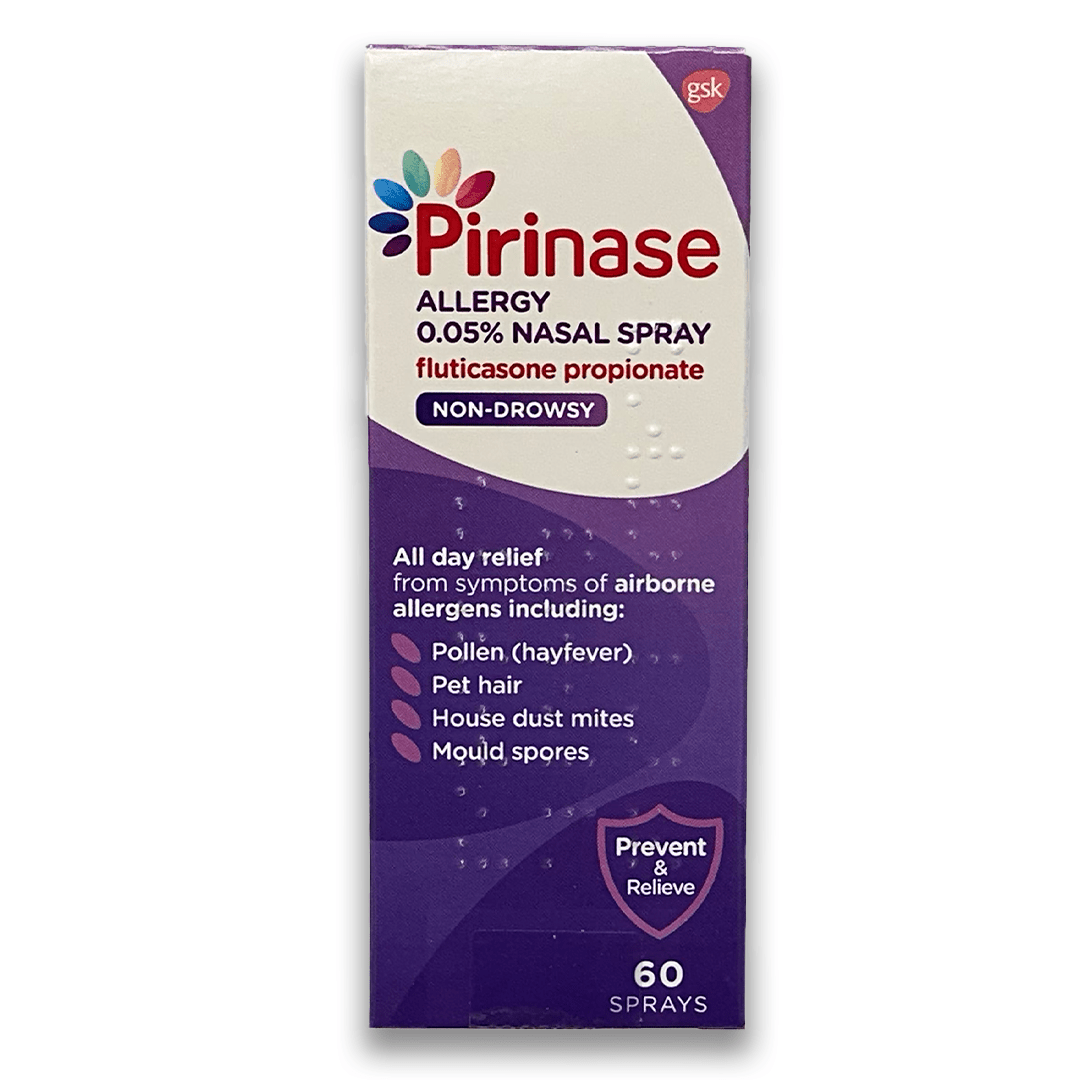
- Nasal Corticosteroids: These prescription medications reduce inflammation in the nasal passages, providing long-term relief from symptoms like congestion, sneezing, and runny nose.

- Leukotriene Receptor Antagonists: Prescription medications that block the effects of leukotrienes, chemicals released during an allergic reaction, can help manage symptoms.

- Immunotherapy (Allergy Shots): For severe cases, allergen immunotherapy may be recommended. This involves gradually exposing the patient to increasing amounts of the allergen to build tolerance and reduce the severity of allergic reactions over time.

- Allergen Avoidance: Minimizing exposure to allergens can help prevent symptoms. This may involve keeping windows closed during pollen seasons, using air purifiers, and regularly cleaning living spaces.

While complete prevention of hay fever may not be possible, certain measures can reduce the risk and severity of allergic reactions:

- Monitor Pollen Levels: Stay informed about pollen forecasts and limit outdoor activities during high pollen seasons.
Keep Indoor Environment

- Clean: Regularly clean and vacuum indoors to minimize dust, pet dander, and mold.
Close Windows: Keep windows and doors closed during peak pollen times to prevent allergens from entering your living space.

- Use Air Filters: Install high-efficiency particulate air (HEPA) filters in your home's heating and cooling systems to trap airborne allergens.
Wash After Outdoor

- Activities: Shower and change clothes after spending time outdoors to remove pollen from your skin and hair.
Consider Allergy-Proof Bedding: Encase mattresses and pillows in allergen-proof covers to reduce exposure while sleeping.

In conclusion, hay fever is a common allergic reaction triggered by allergens such as pollen, leading to uncomfortable symptoms in the upper respiratory system. While it cannot be cured, various treatments are available to manage symptoms effectively and improve quality of life. Diagnosing hay fever involves a combination of medical history, physical examination, and allergy testing. Preventive measures can significantly reduce the risk and severity of allergic reactions, allowing individuals to better cope with this condition. As always, consult a healthcare professional for personalized advice and treatment options tailored to your specific needs.

Read more about Hay Fever on the NHS website, following the link below:

https://www.nhs.uk/conditions/hay-fever/

FAQs

Is hay fever a seasonal condition?

Yes, hay fever is often seasonal and occurs during specific times of the year when pollen levels are high. It is commonly associated with spring and fall when trees, grasses, and weeds release pollen into the air. However, some individuals may experience symptoms year-round if they are allergic to indoor allergens such as dust mites, pet dander, or mold.

Can hay fever lead to complications if left untreated?

While hay fever itself is not typically life-threatening, untreated or poorly managed symptoms can impact a person's overall well-being. Chronic nasal congestion and inflammation may lead to sinus infections or exacerbate asthma symptoms in individuals with both conditions. Proper treatment and allergen management can help prevent potential complications.

Are there any natural remedies that can help alleviate hay fever symptoms?

Some individuals may find relief from mild hay fever symptoms through natural remedies. These can include using saline nasal rinses to clear nasal passages, using local honey (produced from local pollen) in moderation, and consuming foods rich in antioxidants and anti-inflammatory properties. However, it's important to consult with a healthcare professional before relying solely on natural remedies for managing hay fever.

Can children develop hay fever, and how is it diagnosed in kids?

Yes, children can develop hay fever. The symptoms and diagnostic processes for children are similar to those for adults. Parents and caregivers should observe their child's symptoms, such as persistent sneezing, runny nose, and itchy eyes during specific seasons. If symptoms are suspected to be hay fever-related, consulting a pediatrician or allergist is recommended for proper evaluation and diagnosis.

We are here to help!

For assistance, please contact our customer service at info@rightangled.com. We are available Monday to Friday from 8 am to 5 pm. For urgent issues, please do not use this email. Instead, call 111, or dial 999 in case of an emergency.

Can't find the treatment you're looking for?

Drop us a message and our team will do their best to source it for you.