

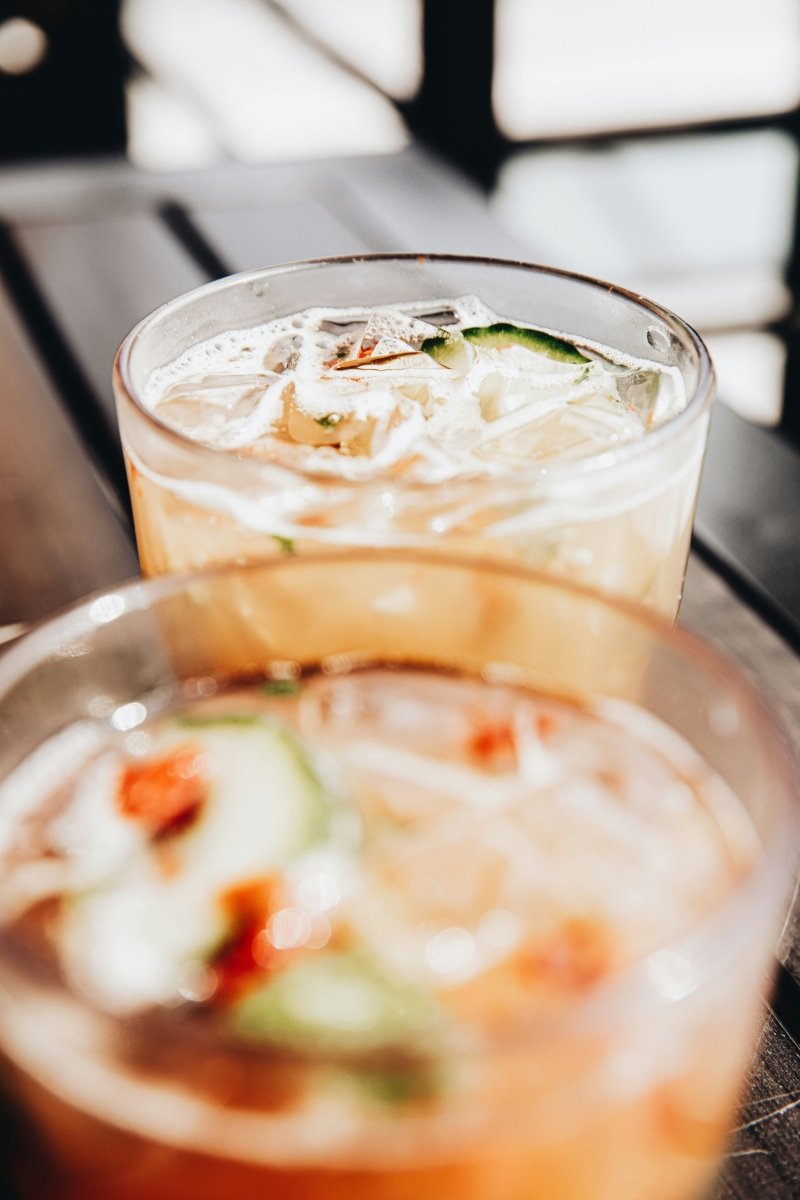
The start of a new year offers a natural moment for reflection, and Dry January — going alcohol-free for the month — has become one of the most popular ways to act on it. It is more than a trend: taking a month off drinking has measurable effects on physical and mental health, and often changes drinking habits well beyond January.
Physical health improvements
Liver health. The liver does the bulk of the work processing alcohol, and it recovers quickly. Research published in BMJ Open found that participants taking a month off drinking showed measurable improvements in liver stiffness and in markers of liver stress such as gamma-glutamyl transferase (GGT), alongside improvements in insulin resistance and blood pressure.
Better sleep. Alcohol is widely believed to aid sleep, and it does shorten the time taken to fall asleep — but it suppresses REM sleep and fragments the second half of the night. Most people report deeper, more restorative sleep within a couple of weeks of stopping.
Weight and blood sugar. Alcohol is calorie-dense and provides essentially no nutrition. Cutting it typically reduces overall intake, and also removes the late-night eating that often accompanies drinking.
Cardiovascular effects. Reducing alcohol lowers blood pressure and reduces the risk of atrial fibrillation. Research published in the Journal of the American College of Cardiology has found that even moderate drinking is associated with raised blood pressure and arrhythmia risk — part of a broader shift in the evidence away from the older idea that moderate drinking protects the heart.
Skin and hydration. Alcohol is a diuretic and dilates blood vessels; many people notice clearer, less puffy skin after a few weeks.
Mental health benefits
Mood and clarity. Alcohol is a depressant that disrupts neurotransmitter balance. Regular drinking is associated with higher rates of anxiety and low mood — and the anxiety that follows a heavy night is a genuine physiological rebound, not imagination. Participants commonly report feeling more emotionally stable and less anxious by the end of the month.
Concentration and productivity. Without alcohol's lingering effects on sleep quality, memory, focus and decision-making tend to improve.
Relationships and finances
Many people find they have more genuine time with family and friends, and fewer of the misunderstandings that alcohol can amplify. The financial side is not trivial either — the cost of a regular drinking habit over a month is often surprising when totalled up.
Lasting behaviour change
This may be the most valuable part. Research from the University of Sussex found that a majority of Dry January participants were still drinking less six months later. A month off resets tolerance and habit, and prompts a genuine reassessment of the role alcohol plays in your routine.
An important safety warning
Dry January is intended for people who drink socially or moderately. If you are physically dependent on alcohol, stopping suddenly can be dangerous — in some cases life-threatening. Withdrawal can cause seizures and delirium tremens.
Signs you should not stop abruptly without medical support include drinking daily, needing a drink in the morning, or experiencing shaking, sweating, nausea or anxiety when you go without. Speak to your GP first — medically supervised withdrawal is straightforward and safe when planned.
Confidential support is available from Drinkline on 0300 123 1110, and from organisations including Alcohol Change UK and We Are With You.
Making it work
- Tell people you are doing it — accountability genuinely helps
- Keep appealing alcohol-free alternatives at home
- Plan for the difficult moments rather than relying on willpower in the pub
- Notice the changes in sleep, mood and energy as they happen
- Use the month to reflect on what you want your drinking to look like afterwards
Checking in on your health
Rightangled's home blood tests can assess liver and kidney function, cholesterol and other markers, processed by accredited UK laboratories. Results are reviewed by our clinical team, which includes GPhC-registered independent prescribers, with medical oversight from our doctor, Dr Abdullah.
Verify us with the General Pharmaceutical Council (registration 9011933), see our LegitScript certification, and read reviews on Trustpilot.
This article is for general information and does not replace personalised medical advice. If you think you may be dependent on alcohol, speak to your GP before stopping.

Share:
Are You Getting Enough Iron?
Are you drinking your coffee at the right time?
1 comment
Thanks for this. I have been sober now for 9 months best decision I made