

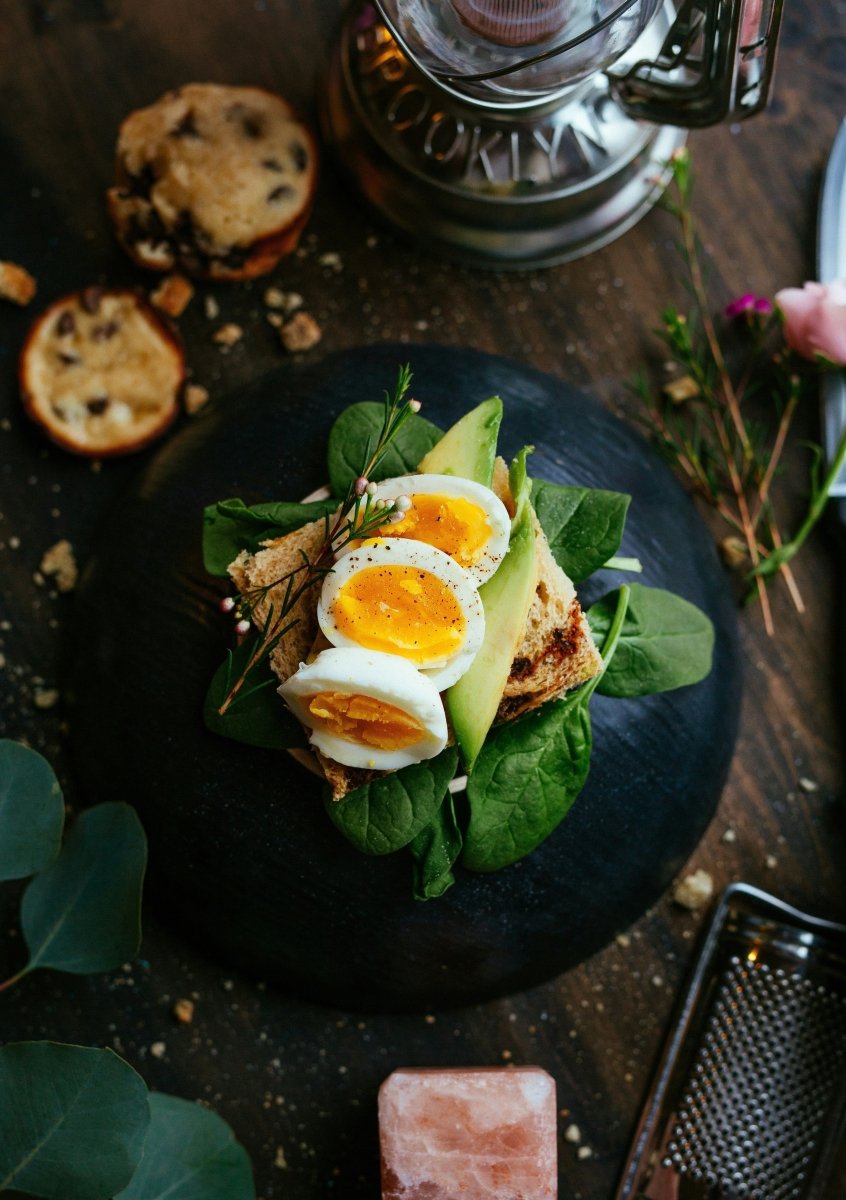
Why Protein and Portions Matter Together
Many people focus on either eating more protein or controlling portions, but the real magic happens when you combine both.
Protein helps you stay fuller for longer, while portion control ensures you’re not overshooting your calorie needs. Together, they create a balanced and sustainable approach to weight loss without feeling deprived.
“Higher protein diets improve satiety and reduce energy intake, especially when paired with structured portion sizes.”
— Leidy et al., American Journal of Clinical Nutrition, 2015 [1]
Protein’s Role in Appetite and Metabolism
Protein stimulates satiety hormones such as peptide YY (PYY) and GLP-1, which signal fullness to your brain. It also has the highest thermic effect of all macronutrients, meaning your body burns more calories digesting it compared to carbs or fat.
This means protein not only keeps you from overeating but also subtly increases your daily energy expenditure. Helping you lose fat without extreme restriction.
“Protein has a thermic effect of 20–30%, compared to 5–10% for carbohydrates and 0–3% for fats.”
— Halton & Hu, Journal of the American College of Nutrition, 2004 [2]
Portion Control — The Calorie Compass
Portion control prevents creeping calorie intake, especially from healthy but high-energy foods like nuts, cheese, and oils. Using visual cues such as smaller plates, measuring cups, or your hand as a guide, helps you avoid unintentional overeating while still enjoying satisfying meals.
Portion guide example for a balanced plate:
-
¼ plate: Lean protein (chicken, fish, tofu)
-
½ plate: Vegetables or salad
-
¼ plate: Whole grains or starchy veg
“Portion size is directly associated with energy intake, and smaller portions reduce calorie consumption without reducing satisfaction.”
— Rolls et al., American Journal of Clinical Nutrition, 2004 [3]
Practical Tips to Pair Protein with Portion Control
To make this approach second nature:
-
Start meals with protein to help regulate appetite early.
-
Use smaller serving dishes for high-calorie foods.
-
Include protein in every snack—think Greek yogurt, boiled eggs, or edamame.
-
Pre-portion snacks and meals rather than eating from large packages.
-
Track your protein for a week to understand your baseline intake.
When protein and portion awareness work together, weight loss becomes less about strict dieting and more about habit-based, sustainable changes.
References
[1] Leidy, H. J., et al. (2015). "The role of protein in weight loss and maintenance." American Journal of Clinical Nutrition, 101(6), 1320S–1329S.
[2] Halton, T. L., & Hu, F. B. (2004). "The effects of high protein diets on thermogenesis, satiety and weight loss." Journal of the American College of Nutrition, 23(5), 373–385.
[3] Rolls, B. J., et al. (2004). "Portion size and the regulation of energy intake." American Journal of Clinical Nutrition, 79(5), 972–979.



Share:
Why a Caloric Deficit Without Enough Protein Backfires
Warming Up Your Weight Loss Plan: Autumn Comfort Foods Made Healthy