

Excellent customer service
Excellent customer service from start to finish for registration.
I collected item in person from their London location, it was very easy to...
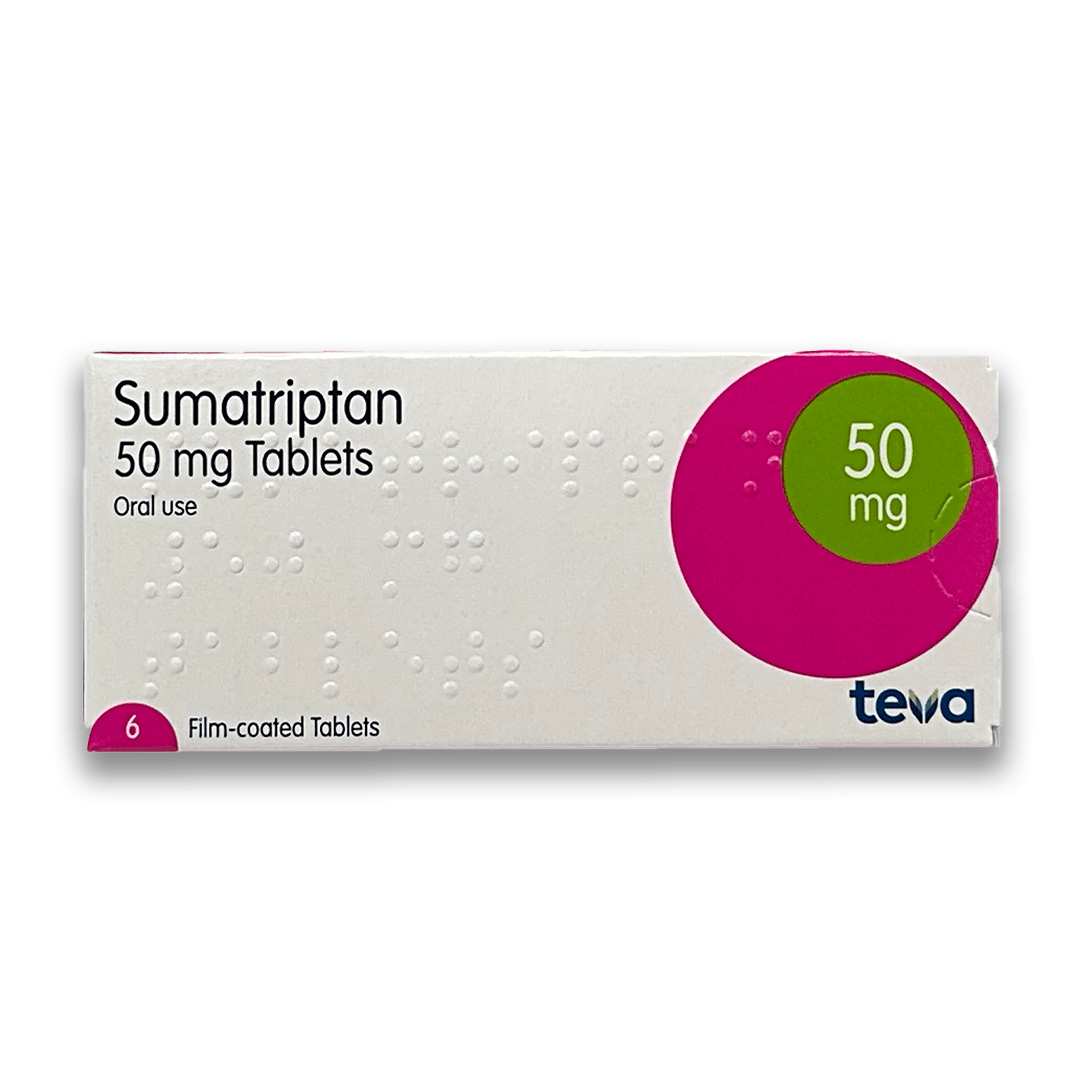
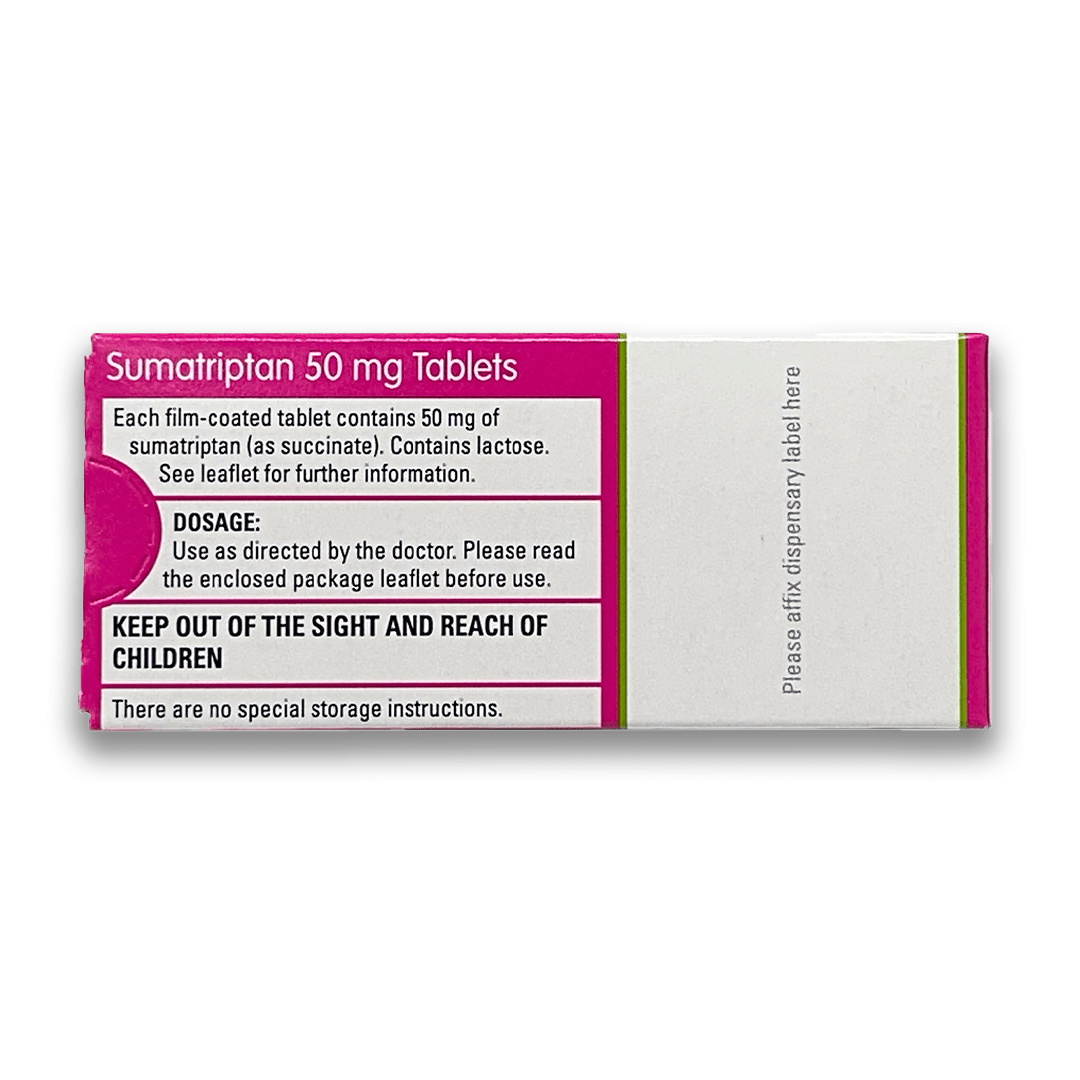
Narrowing blood vessels to relieve migraine symptoms
ID VERIFICATION IS REQUIRED TO PURCHASE THIS MEDICATION
Same day dispatch.
Couldn't load pickup availability
Pickup currently unavailable at UK Pharmacy
We also offer
2-3 minutes online assessment to check your eligibility for a treatment
Migraine headache treatment (Triptan)
Yes
Sumatriptan (as sumatriptan succinate)
As soon as possible after onset of migraine attack
Narrowing blood vessels to relieve migraine symptoms
Chest discomfort, unusual sensations, nausea, vomiting, tiredness, drowsiness, dizziness, weakness, hot flushes, temporary increase in blood pressure
Patient experiences
Verified reviews from patients across UK.

Excellent customer service from start to finish for registration.
I collected item in person from their London location, it was very easy to...
I really can't recommend Rightangled highly enough, they have everything spot on. Their price's are competitive and the added discounts on top are fantastic...
Never had a problem with this company. Always checking in to make sure my weight loss journey is on track. Pricing is competitive and postal spot on...
I have been with rightangled for over a year. Their customer service is amazing. They always go above & beyond. Nothing is too much trouble. They are so efficient on...
I have been with this company since August and I am so happy I moved companies. The service has been incredible. They have made it so easy and worry free I order and within...
I find right angled brilliant. No nonsense with consistently low prices on weight loss meds. I used to shop around before right angled but don’t feel the need to anymore as their prices are great...
2nd month with Rightangled and the reordering process is very quick and straightforward unlike other providers I have used in the past...
Using their services for more than a year and half. They are just great, any issues has been handled with kindness and professionalism. The order will arrive as expected in..
If you have any questions, you are always welcome to contact us. We'll get back to you as soon as possible, within 24 hours on weekdays.
Contact Us
Reach out to us with any questions or feedback. Our team is available via email at info@rightangled.com to ensure you get the support you need.
Shipping Information
Receive your orders quickly and reliably. Choose from multiple delivery options at checkout for convenience and speed. All orders placed before 3 pm are processed on the same day.
Customer Support
Our dedicated team is here to help you every step of the way. Contact us for assistance with orders, tests, or any other inquiries. We are available Monday to Friday between 8 am and 5 pm, and on Saturdays between 9 am and 1 pm.
FAQ’s
Find answers to commonly asked questions about our services, tests, and procedures. Our help centre proovides quick solutions and detailed information.
Sumatriptan 50mg is used to treat acute attacks of migraine and, in some cases, cluster headache. It is taken once an attack has begun and eases the throbbing pain along with the nausea and sensitivity to light and sound that accompany it. It is a medicine that requires a clinician to assess whether it is suitable for you, and it is not a preventative treatment.
Sumatriptan belongs to the triptan group and acts on serotonin receptors in the blood vessels around the brain. It narrows those vessels, which dilate during an attack, and blocks the release of the inflammatory substances that amplify the pain signal. It addresses the attack that is underway and has no effect on how often attacks happen, which is why it should not be taken routinely.
Take one tablet with water as soon as the headache phase starts, rather than during an aura if you get one. If the headache responds and then returns, a further dose may be taken after the stated interval, but if the first dose has no effect at all, a second for the same attack will not help either. Observe the maximum in 24 hours, and resting in a dark quiet room alongside often makes a noticeable difference.
It is for adults with a confirmed migraine diagnosis where a clinician has agreed it is appropriate. It is not suitable for anyone with coronary heart disease, a history of heart attack or stroke, uncontrolled high blood pressure or significant peripheral vascular disease, and it must not be combined with an MAOI or taken within two weeks of stopping one.
Tingling, dizziness, drowsiness and a sensation of heaviness, tightness or warmth in the chest, neck or jaw are commonly reported. Seek urgent medical help for significant chest pain or tightness, breathlessness, or stroke symptoms such as weakness, numbness or difficulty speaking. Contact a clinician if your headache pattern changes, if it is the worst you have ever had, if it comes with fever, a stiff neck or confusion, or if you are using acute treatment on more than about 10 days a month, since that itself causes headache. Our UK pharmacy team can answer questions about this product before you buy.
How is this different from the pharmacy version?
The active ingredient is the same. Pharmacy supply has narrower criteria; this is supplied after a clinician assessment.
Can I take it during the aura?
Take it when the headache begins rather than during the aura phase.
Does it prevent migraines?
No. It treats an attack in progress. Prevention is a separate conversation with a clinician.
Always read the patient information leaflet supplied with the pack before use.
Medically reviewed and published
This page was medically reviewed by Dr Sohaib Imtiaz, Clinical Lead on Aug 24, 2023, 3:30 pm

3 MIN ONLINE ASSESSMENT

CLINICIAN REVIEWS YOUR CASE

PRESCRIPTION + NEXT DAY DELIVERY
Dose transition helper
Choose the medicine and dose you are on now, and when you last took it. We will show recommended starting doses for alternatives — including lower options a clinician may prefer. No login or personal details required.
Based on your current dose, you could switch to:
| Alternative medicine | Recommended start | Other doses you can take (incl. lower) |
|---|
Guidance only — a clinician must approve any switch. Based on clinical dosing switch guides.
Please read our FAQs page to find out more.
We are here to help 👋
For assistance, please contact our customer service at info@rightangled.com. We are available Monday to Friday from 8 am to 5 pm. For urgent issues, please do not use this email. Instead, call 111, or dial 999 in case of an emergency.

UK clinicians and support teams available 7 days a week

Next-day delivery across the UK is our standard.

Pause, change or restart your treatment anytime

GPhC-registered pharmacy with secure checkout