

Excellent customer service
Excellent customer service from start to finish for registration.
I collected item in person from their London location, it was very easy to...
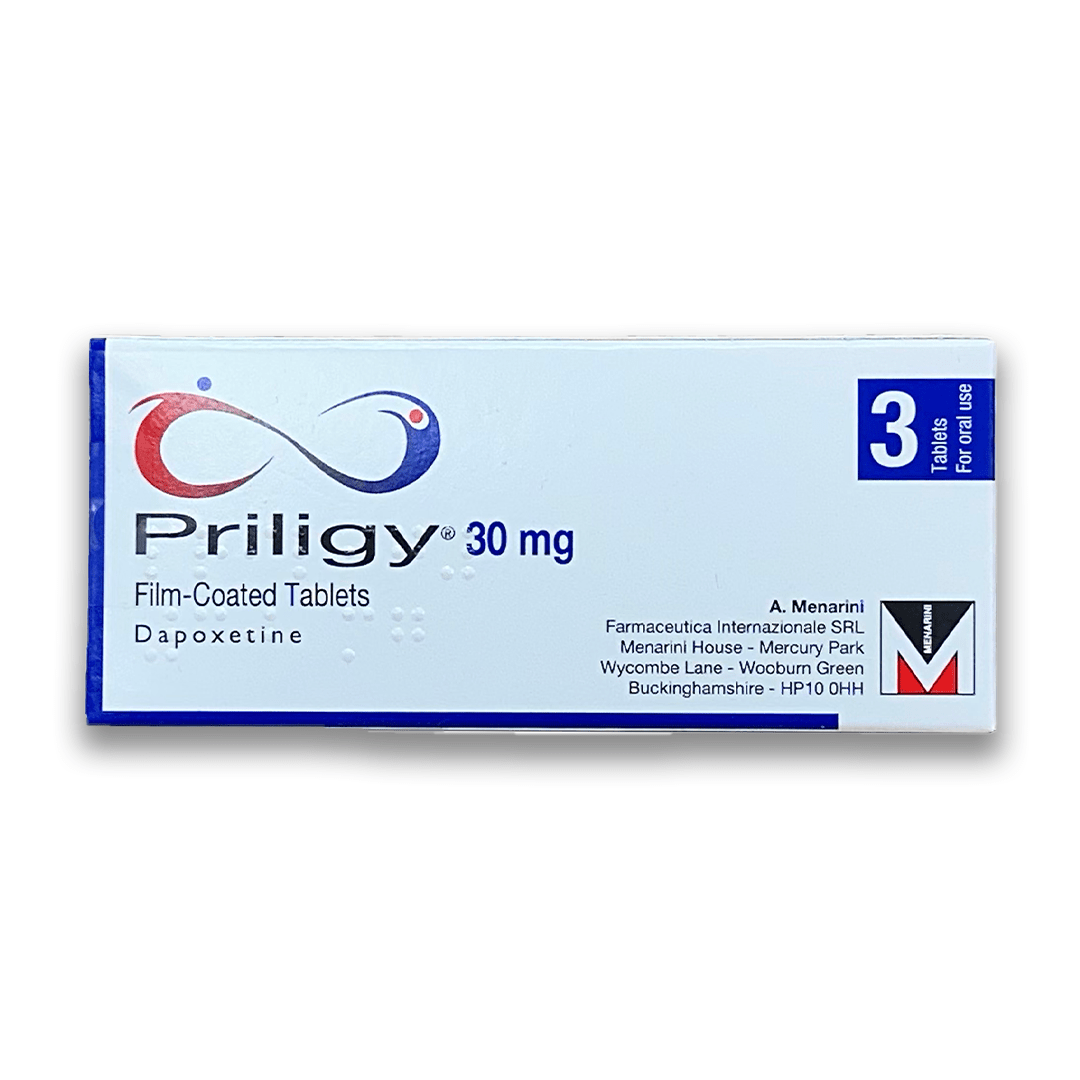
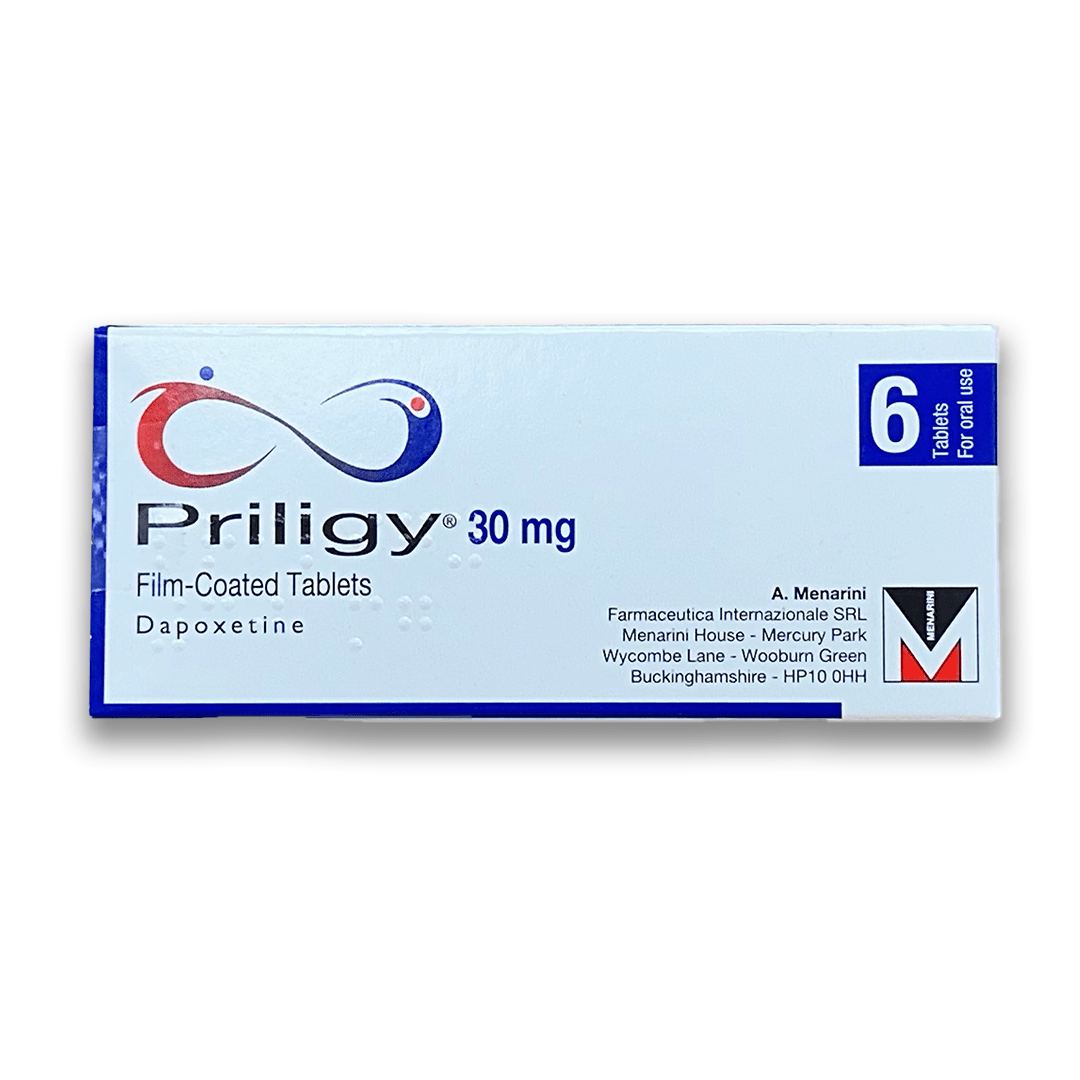
Increasing time to ejaculate, improving control
ID VERIFICATION IS REQUIRED TO PURCHASE THIS MEDICATION
Same day dispatch.
Couldn't load pickup availability
Pickup available at Medetone UK Pharmacy
Usually ready in 24 hoursWe also offer
Priligy 30mg Tablets
2-3 minutes online assessment to check your eligibility for a treatment
Selective Serotonin Reuptake Inhibitor (SSRI)
No
Dapoxetine
1 to 3 hours before sexual activity
Increasing time to ejaculate, improving control
Dizziness, Headache, Nausea, Changes in mood
Patient experiences
Verified reviews from patients across UK.

Excellent customer service from start to finish for registration.
I collected item in person from their London location, it was very easy to...
I really can't recommend Rightangled highly enough, they have everything spot on. Their price's are competitive and the added discounts on top are fantastic...
Never had a problem with this company. Always checking in to make sure my weight loss journey is on track. Pricing is competitive and postal spot on...
I have been with rightangled for over a year. Their customer service is amazing. They always go above & beyond. Nothing is too much trouble. They are so efficient on...
I have been with this company since August and I am so happy I moved companies. The service has been incredible. They have made it so easy and worry free I order and within...
I find right angled brilliant. No nonsense with consistently low prices on weight loss meds. I used to shop around before right angled but don’t feel the need to anymore as their prices are great...
2nd month with Rightangled and the reordering process is very quick and straightforward unlike other providers I have used in the past...
Using their services for more than a year and half. They are just great, any issues has been handled with kindness and professionalism. The order will arrive as expected in..
If you have any questions, you are always welcome to contact us. We'll get back to you as soon as possible, within 24 hours on weekdays.
Contact Us
Reach out to us with any questions or feedback. Our team is available via email at info@rightangled.com to ensure you get the support you need.
Shipping Information
Receive your orders quickly and reliably. Choose from multiple delivery options at checkout for convenience and speed. All orders placed before 3 pm are processed on the same day.
Customer Support
Our dedicated team is here to help you every step of the way. Contact us for assistance with orders, tests, or any other inquiries. We are available Monday to Friday between 8 am and 5 pm, and on Saturdays between 9 am and 1 pm.
FAQ’s
Find answers to commonly asked questions about our services, tests, and procedures. Our help centre proovides quick solutions and detailed information.
Priligy is a medication used to treat premature ejaculation in men. It works by increasing the time it takes to ejaculate and improving control over the ejaculation. This prescription medication should be taken 1-3 hours prior to sexual activity and is available in 30mg and 60mg doses. It is important to talk to a doctor before taking Priligy, as it may interact with other medications and may not be suitable for everyone.
Medically reviewed and published
This page was medically reviewed by Dr Sohaib Imtiaz, Clinical Lead on Aug 24, 2023, 3:30 pm

3 MIN ONLINE ASSESSMENT

CLINICIAN REVIEWS YOUR CASE

PRESCRIPTION + NEXT DAY DELIVERY
Dose transition helper
Choose the medicine and dose you are on now, and when you last took it. We will show recommended starting doses for alternatives — including lower options a clinician may prefer. No login or personal details required.
Based on your current dose, you could switch to:
| Alternative medicine | Recommended start | Other doses you can take (incl. lower) |
|---|
Guidance only — a clinician must approve any switch. Based on clinical dosing switch guides.
Please read our FAQs page to find out more.
We are here to help 👋
For assistance, please contact our customer service at info@rightangled.com. We are available Monday to Friday from 8 am to 5 pm. For urgent issues, please do not use this email. Instead, call 111, or dial 999 in case of an emergency.

UK clinicians and support teams available 7 days a week

Next-day delivery across the UK is our standard.

Pause, change or restart your treatment anytime

GPhC-registered pharmacy with secure checkout