
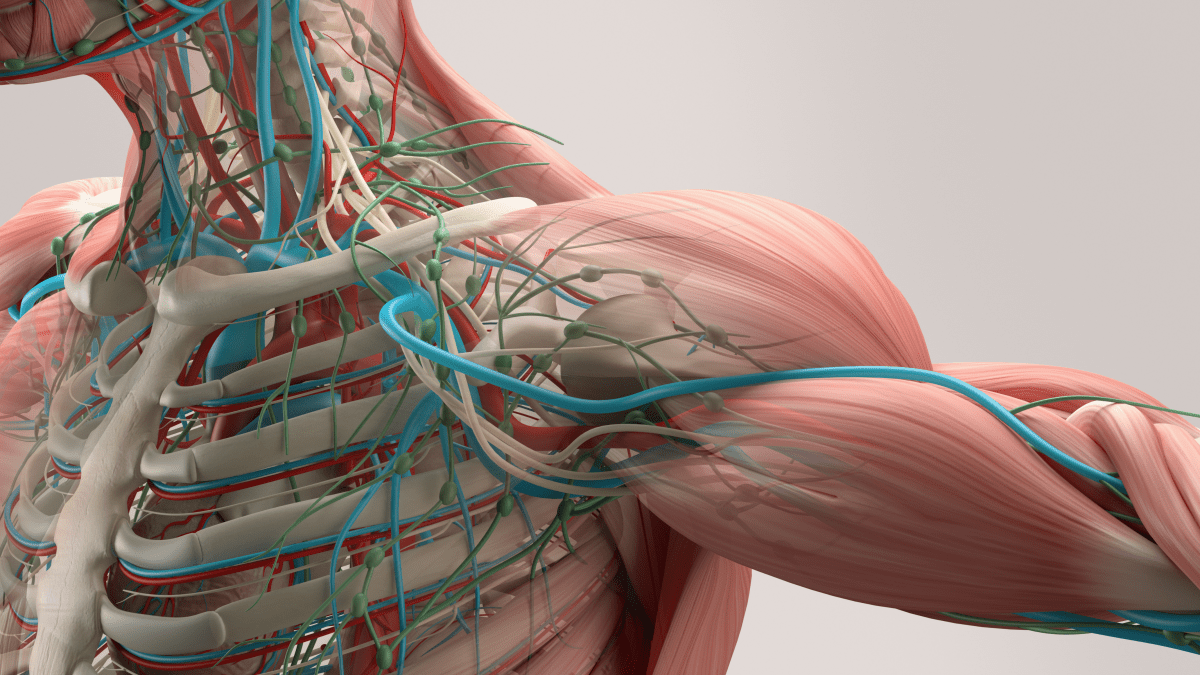
While various medications have been known to cause muscle aches, Glucagon-like peptide 1 (GLP-1) agonists have not been commonly associated with this side effect in medical literature.

GLP-1 agonists, such as tirzepatide and semaglutide, are highly effective in promoting weight loss. Both medications are approved for treating obesity or overweight individuals with at least one weight-related comorbidity. Despite the occurrence of some adverse events, these drugs are generally well-tolerated, with gastrointestinal side effects being the most common. Interestingly, semaglutide tends to cause fewer gastrointestinal side effects compared to other GLP-1 agonists.

Investigating the Unknown: Can GLP-1 Agonists Cause Muscle Aches?

One potential cause of muscle aches is a condition called rhabdomyolysis.

Rhabdomyolysis involves the breakdown of muscle tissue and presents with symptoms like muscle pain, weakness, and tea-colored urine. However, up to 50% of patients may remain asymptomatic. This condition carries a global mortality rate of approximately 8% and is characterized by significantly elevated creatine kinase (CK) levels, often rising to five times the normal upper limit or higher. However, it is unlikely to be associated with GLP-1 agonists.


 

Recent Research Findings

In August 2023, in collaboration with Mayo Clinic Libraries, comprehensive searches were conducted on PubMed and Embase databases. Using terms like "GLP-1 agonist" and "rhabdomyolysis," no relevant reports were found. Further searches combining "GLP-1" with "CK," "myalgias," "muscle pain," or "muscle atrophy" also yielded no results. These searches spanned the past five years and were limited to publications in English.


A Rare Case Report

Despite the lack of substantial evidence, there has been a single documented case of GLP-1-induced rhabdomyolysis. This underscores the importance of continuous monitoring and reporting of adverse drug reactions, particularly as new medications are integrated into clinical practice. Further research is needed to understand the mechanisms behind this rare association and to establish appropriate guidelines for the safe use of GLP-1 agonists in susceptible populations.


Conclusion

Currently, muscle aches are not a listed side effect of GLP-1 agonists and appear to be very rare. However, if you experience muscle aches after starting treatment, it is advisable to consult your GP for blood tests to rule out any underlying conditions.

Latest Stories

View all

Why Doctor Led Weight Management Works - Rightangled

Why Doctor Led Weight Management Works

Doctor led weight management offers safer, tailored support with clinical oversight, treatment options and practical follow-up for lasting results.

Read moreabout Why Doctor Led Weight Management Works

Weight Loss Injections Online in the UK - Rightangled

Weight Loss Injections Online in the UK

Considering weight loss injections online? Learn how UK prescribing works, who may qualify, what to expect, and how to choose a safe provider.

Read moreabout Weight Loss Injections Online in the UK

Is an Online Weight Loss Consultation Right? - Rightangled

Is an Online Weight Loss Consultation Right?

An online weight loss consultation offers fast, discreet access to clinician-led support, treatment checks and ongoing plans from home.

Read moreabout Is an Online Weight Loss Consultation Right?