

High-Intensity Interval Training has been near the top of global fitness trend rankings for years, and it has stayed there for a straightforward reason: it delivers meaningful results in relatively little time. Here is what HIIT actually is, what the evidence supports, and how to start safely.
What is HIIT?
HIIT alternates short bursts of near-maximal effort with brief recovery periods. A session might involve 30 seconds of hard work followed by 30–90 seconds of easy movement or rest, repeated for anywhere from 10 to 30 minutes.
The defining feature is intensity, not the specific exercise. Sprinting, cycling, rowing, skipping, bodyweight circuits and swimming can all be structured as HIIT. What matters is that the work intervals are genuinely hard — you should not be able to hold a conversation during them.
The evidence-based benefits
- Cardiorespiratory fitness. HIIT improves VO2 max efficiently, and studies consistently find it at least as effective as longer moderate-intensity sessions — sometimes more so, minute for minute.
- Time efficiency. The most practical advantage. Meaningful benefit can come from sessions of 20 minutes or less, which removes the most common barrier to exercising at all.
- Insulin sensitivity and blood glucose. HIIT improves both, which matters for type 2 diabetes risk.
- Blood pressure. Regular interval training reduces resting blood pressure in people with hypertension.
- Post-exercise energy expenditure. Metabolic rate stays slightly raised after a hard session — the so-called afterburn effect. It is real, but modest, and often overstated in marketing.
Why it became so popular
HIIT has featured near the top of the American College of Sports Medicine's annual worldwide fitness trends survey for over a decade. The appeal is easy to understand: it requires little or no equipment, can be done at home, adapts to almost any fitness level, and fits into a lunch break.
Its popularity accelerated further during the pandemic, when home workouts and online classes replaced gyms for most people — and many of those habits stuck. The community element of group classes, whether in person or online, turns out to be one of the stronger predictors of whether people keep exercising at all.
An important correction
You may see claims that HIIT "boosts immunity" or protects against infections including COVID-19. This is not supported by evidence. Regular moderate exercise is associated with better general immune function over time, but no exercise programme prevents viral infection, and very intense training without adequate recovery can temporarily suppress immune function rather than enhance it.
Exercise for fitness, health and wellbeing — not as protection against any specific illness.
Starting safely
Intensity is the point of HIIT, and it is also the risk. Injury rates are higher than for moderate exercise, particularly among beginners using poor technique or doing too much too soon.
- Build a base of moderate aerobic fitness first if you are new to exercise
- Warm up properly — 5–10 minutes, never skipped
- Start with one or two sessions a week; two to three is plenty even for the well-trained
- Allow at least 48 hours between hard sessions
- Prioritise technique over speed, especially with weighted or plyometric movements
- Stop if you experience chest pain, dizziness or unusual breathlessness
Speak to your GP before starting HIIT if you have a heart condition, high blood pressure, diabetes, joint problems, are pregnant, or have been inactive for a long period. Interval training is not automatically off-limits in any of these cases — it simply needs to be appropriate to you.
HIIT is not the only answer
Current UK guidance is 150 minutes of moderate activity or 75 minutes of vigorous activity weekly, plus strength work twice a week. HIIT can efficiently cover the vigorous component, but walking, cycling, swimming and resistance training all count — and consistency matters far more than the format. The best exercise is genuinely the one you will keep doing.
Understanding how your body responds
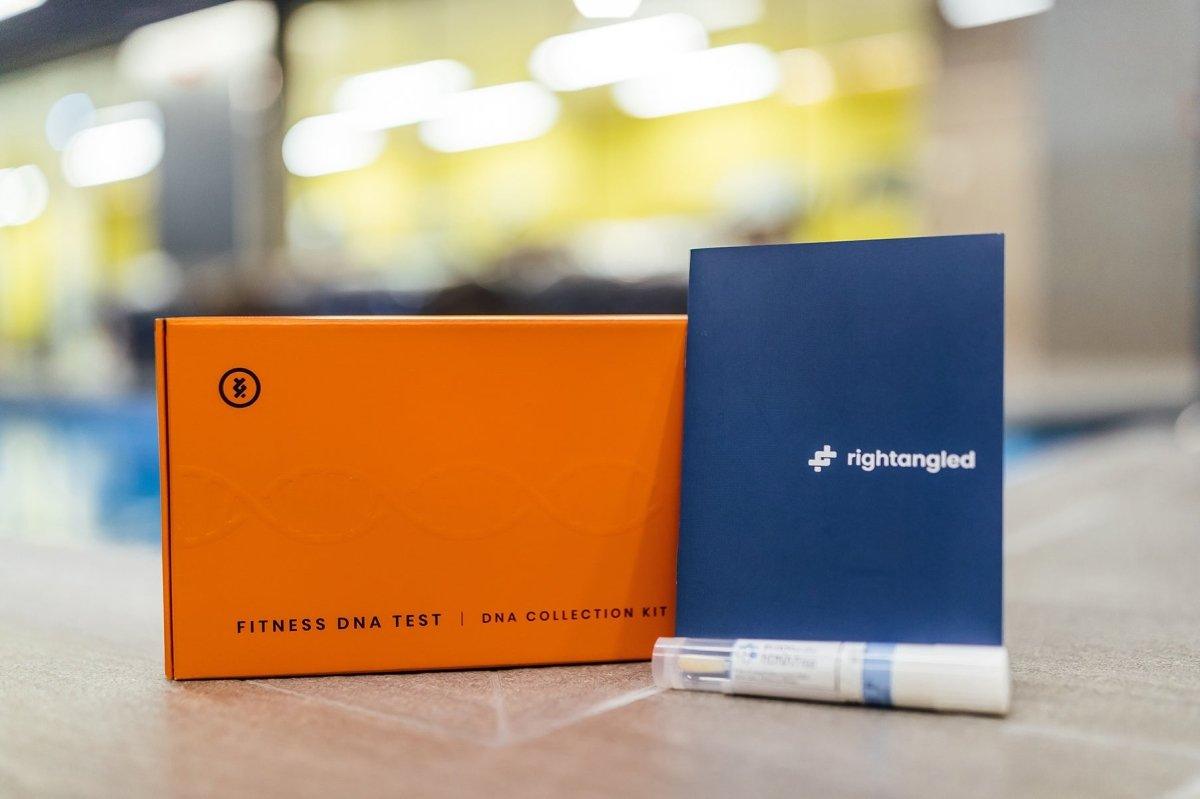
Rightangled's DNA tests include markers relating to muscle fibre type, endurance and power response, and recovery. Results are reviewed by our clinical team, which includes GPhC-registered independent prescribers, with medical oversight from our doctor, Dr Abdullah.
Verify us with the General Pharmaceutical Council (registration 9011933), see our LegitScript certification, and read reviews on Trustpilot.
This article is for general information and does not replace personalised medical advice. Speak to your GP before starting a new high-intensity exercise programme.



Share:
The Science Behind Losing Weight Fast
Intro to Fitness